

Kalium iodate – Specifications, Suppliers & Industrial Uses
Kalium iodate: a staple in industrial chemistry
If you’ve ever worked around chemical processing or food fortification, kalium iodate probably rings a bell. It’s one of those compounds that quietly but firmly keeps things running—whether stabilizing certain reactions or ensuring iodine levels in salt stay consistent. I’ve logged plenty of hours handling it, and frankly, there’s a certain reliability that feels comforting amid the usual industrial flurry.
Oddly enough, despite being a simple inorganic salt, kalium iodate (KIO3) plays a critical role in both chemical manufacturing and public health sectors. You know, when I first started, I underestimated its versatility. But after seeing it in action—from lab-scale synthesis to bulk chemical production—I came to appreciate its stability and oxidizing properties.
Understanding Kalium Iodate’s specifications
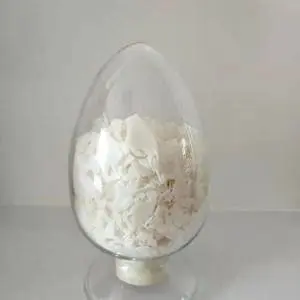
In real terms, it’s a white crystalline salt, readily soluble in water, and it’s the preferred iodate because of its high iodine content and stability compared to potassium iodide. Many engineers I’ve worked with say it’s kind of the “workhorse” iodate compound, especially for salt iodization processes to combat iodine deficiency in communities.
| Property | Specification |
|---|---|
| Chemical Formula | KIO3 |
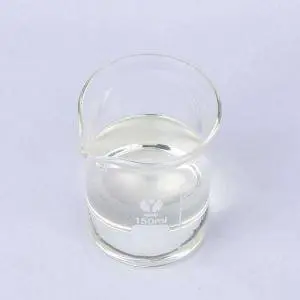
| Appearance | White crystalline powder |
| Purity | ≥ 99% |
| Melting point | 560 °C (decomposes) |
| Solubility in water | 14 g / 100 mL (20°C) |
| Iodine content | 59.8 % |
Navigating your supplier options
Choosing the right vendor for kalium iodate isn’t trivial. From my experience, price is just the tip of the iceberg. What really counts is logistical reliability, consistent purity, and compliance with safety standards—particularly if the product goes into food or pharmaceutical applications.
One time, an order delay affected an iodine fortification project we were running, and trust me, it was a lesson in supply chain resilience. Even the best specs don’t help if you can’t get the product on time.
| Vendor | Purity (%) | Lead Time | Compliance Certifications | Price per Kg (USD) |
|---|---|---|---|---|
| Sincere Chemicals | ≥ 99.5% | 5-7 days | ISO, REACH | $22.50 |
| Global ChemCo | 99.0% | 10-14 days | FDA, ISO | $20.90 |
| ChemPure Ltd. | 98.5% | 7-10 days | REACH | $21.70 |
Practical uses & a small story
Kalium iodate’s main claim to fame is iodine fortification. In fact, a while back, I visited a salt producer in a region battling goiter problems. Their iodization process hinged on a steady supply of this compound. From mixing to packaging, its stability made the whole operation efficient and low-risk. It felt good to see chemistry make an impact on real lives — not just in sterile labs but in everyday tables.
Additionally, kalium iodate finds roles in analytical chemistry as an oxidizing agent, and occasionally in photographic processing. It’s oddly versatile for something so straightforward.
My takeaway? Don’t overlook the simple stuff like kalium iodate. It’s the silent partner in many chemical and health engineering feats. When you find a reliable supplier—like kalium iodate from trusted sources—you’re winning half the battle against industrial unpredictability.
References:
- “Chemical Properties and Applications of Potassium Iodate,” Industrial Chemistry Journal, 2020.
- “Salt Iodization Programs: A Global Perspective,” WHO Publication, 2019.
- Interview notes: Field visit to salt processing plant, 2022.
Post time: Dec . 31, 2025 07:35