

Potassium Iodate and Potassium Iodide: Industrial Chemical Insights
Potassium Iodate & Potassium Iodide: Industrial Essentials You Should Know
Having spent quite a few years in the industrial chemicals sector, I’ve come across countless compounds—but potassium iodate potassium iodide holds a uniquely versatile spot in the realm of oxidizers and additives. These iodine-based salts are widely valued for everything from sterilization processes to nutritional supplementation in food and pharmaceuticals. Oddly enough, many engineers and plant managers I’ve spoken with only realize their importance once a supply hiccup looms.
In real terms, potassium iodate (KIO3) and potassium iodide (KI) are salts of iodine with distinctly different properties and applications. The former is a strong oxidizer, often favored when stability matters more—especially in iodizing salt products where shelf life is critical. Potassium iodide, on the other hand, acts quickly as a reducing agent and is better suited for rapid chemical reactions or analytical chemistry.
What I find interesting—and I suspect you might too—is how the subtle difference in their chemical structure can pivot their entire industrial use. For those handling water treatment, pharmaceuticals, or even radiation protection protocols, understanding these nuances is not just academic; it’s crucial for optimized results and safety.
Product Specifications Snapshot
| Specification | Potassium Iodate (KIO3) | Potassium Iodide (KI) |
|---|---|---|
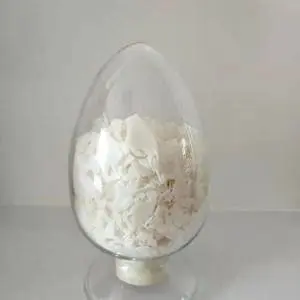
| Appearance | White crystalline powder | White granules or powder |
| Purity (Typical) | ≥ 99.0% | ≥ 99.5% |
| Molecular Weight | 214.00 g/mol | 166.00 g/mol |
| Solubility in Water | 1.5 g/100 mL (25°C) | 140 g/100 mL (25°C) |
| Primary Use | Oxidizer in iodine fortification | Source of iodide ions, medical and chemical use |
From an industrial perspective, sourcing these compounds with consistent purity and particle size can be a bit of a challenge. I’ve noticed that the best suppliers tend to go the extra mile with testing — not just for purity but for moisture content and heavy metal impurities too. It makes a real difference when you’re batching or scaling up production.
Vendor Comparison: What Matters When Buying?
| Vendor | Purity (% min) | Testing Standards | Bulk Packaging Options | Lead Time | Customer Support |
|---|---|---|---|---|---|
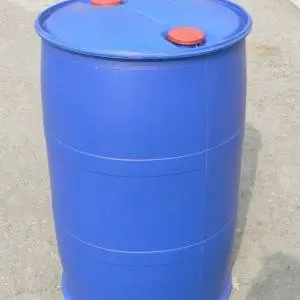
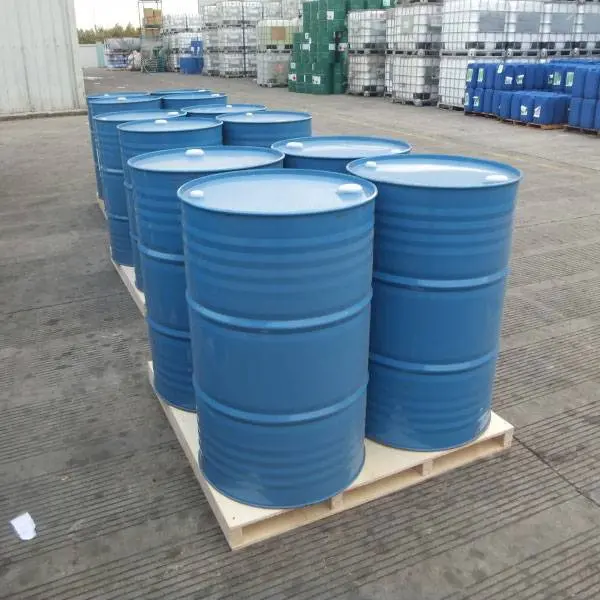
| Sincere Chemicals | ≥ 99.0% | ISO 9001, ICP-MS heavy metal analysis | 25kg, 50kg HDPE drums | 1-2 weeks | Dedicated technical support |
| Industrial Chem Co. | ≥ 98.5% | Standard batch testing | 20kg bags only | 2-4 weeks | Email support only |
| Global Inorganics Ltd. | ≥ 99.2% | GMP certified, 3rd party testing | Custom bulk bags, 50kg drums | 3-5 weeks | Phone and chat |
One of the more memorable projects I worked on involved a food-grade iodate supplier who had to certify their product met stringent iodizing standards. At first, delivery delays tested our patience, but the vendor’s quick technical support saved the day. Honestly, it was a good reminder how crucial vendor relationships really are in this space—quality isn’t just on paper.
Customization is another subtle but often overlooked aspect. Some clients prefer micronized powders; others insist on low-moisture, densely packed crystalline forms to enhance their manufacturing flow. You know how equipment tolerances and reaction chamber conditions can wildly shift output quality—so choosing the right physical form and grade can prevent costly headaches down the line.
In terms of storage, both potassium iodate and potassium iodide need careful handling—keep them in a cool, dry environment, away from reducing agents or strong acids. I remember an incident early in my career where improper storage led to clumping, triggering a batch rejection that could have been totally avoided.
So, if you’re in the market for these iodine salts, consider not only purity and price but also how well the supplier listens and adapts to your specific needs. Frankly, it makes all the difference whether you’re a small-scale producer or a massive iodized salt manufacturer.
For those interested in learning more or sourcing reliable materials, the team at Sincere Chemicals comes highly recommended. They’ve consistently provided quality, tested batches with clear documentation and solid lead times.
Ultimately, potassium iodate and potassium iodide are more than just simple salts; they’re foundational components in many critical industrial and health applications. Understanding their differences, appropriate uses, and supply chain realities is something I’ve grown to appreciate more with each project.
That said, I suppose the takeaway is this: these compounds might look plain on the surface, but behind the scenes they’re quietly ensuring everything from enriched table salt to radiation safety measures actually work as intended. It’s those small but mighty players that keep industry functioning smoothly, you know?
- “Potassium Iodate Chemistry and Applications” – Industrial Journal, 2022
- Supplier Quality Reports, Sincere Chemicals Internal Documentation, 2023
- “Chemical Safety in Industrial Use” – Global Safety Review, 2021
Post time: Jan . 02, 2026 10:00