

Practical Uses of Sodium Carboxymethyl Cellulose in Industry
Understanding the Uses of Sodium Carboxymethyl Cellulose in Industry
Having worked in the industrial equipment sector for quite a stretch now, I can tell you the small details often make the biggest difference. Take sodium carboxymethyl cellulose (CMC) for example — you might glance over it as just another chemical, but in reality, it’s like the secret sauce across multiple fields.
Oddly enough, despite its technical name, CMC is incredibly versatile and displays some unique properties. It's used as a thickener, stabilizer, and a binder — the kind of thing that quietly ensures your product performs exactly as it should, without drama. I’ve seen this firsthand, whether in managing production lines or chatting with engineers fine-tuning formulations.
Why sodium carboxymethyl cellulose remains crucial in varied industrial applications
Across industries, CMC pops up in totally different guises. In the food sector, it keeps things smooth — think sauces or ice creams that cling perfectly without getting watery. Then, pivot to paper manufacturing, where it improves fiber bonding strength, ultimately boosting product quality without the need for costly additives.
Pharmaceuticals and cosmetics? Don’t even get me started. Many engineers I’ve talked to swear by CMC for its ability to suspend particles evenly—critical for lotions and topical meds. If it didn’t work, customers would notice, and brands would lose hard-earned trust. It’s sort of like an unsung hero.
| Specification | Typical Value | Unit |
|---|---|---|
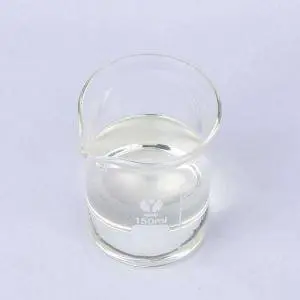
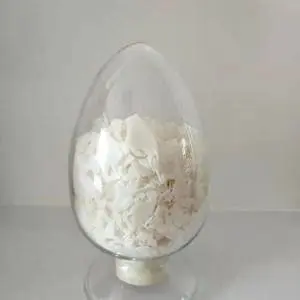
| Appearance | White to off-white powder | - |
| Degree of Substitution (DS) | 0.6 - 0.95 | - |
| Viscosity (2% solution) | 50 - 800 | mPa·s (Brookfield) |
| pH (1% solution) | 6.5 - 8.0 | - |
| Moisture Content | ≤10 | % |
Customization also plays a big role — you can tweak viscosity grades, particle size, and substitution degrees. That’s crucial because in real terms, no two factories or product lines are identical. I remember a client in textile printing who needed just the right CMC blend to control their ink flow. That trial and error paid off — quite literally.
Vendor comparison: Picking the right sodium carboxymethyl cellulose supplier
From my experience, selecting suppliers isn’t just about price. Reliability, batch consistency, and chemical purity matter hugely. Here's a quick side-by-side of some vendors I’ve evaluated recently — a few names you might run into valued for quality or market presence.
| Supplier | Purity (%) | Price Range ($/kg) | Lead Time (days) | Notes |
|---|---|---|---|---|
| Sincere Chemicals | >99.5 | 2.5 - 4.0 | 7 - 10 | Great purity & consistent supply |
| Global Chem Ltd. | 98 - 99 | 2.0 - 3.5 | 10 - 14 | Competitive pricing, slightly longer lead |
| ChemPro Inc. | >99 | 3.0 - 4.5 | 5 - 8 | Fast delivery but pricier |
As with a lot in our line of work, you get what you pay for — but also what fits your schedule and product needs. I find it refreshing when a supplier like Sincere Chemicals balances those factors well. They’ve been a reliable choice for repeated orders without surprises.
To wrap up, sodium carboxymethyl cellulose quietly powers many industrial products we take for granted. Without it, the texture in your favorite ice cream might be off, printing jobs might smear, and pharmaceuticals could become inconsistent. It’s one of those materials that reminds me: details matter — even invisible ones.
Thinking about CMC now, I feel like it’s less “just another ingredient” and more “the backstage crew making the show run.” And who doesn’t appreciate a good crew?
References / Personal takeaways:
1. Practical guides from suppliers like Sincere Chemicals
2. Conversations with industry engineers & production managers
3. Observations from years on the factory floor and product testing labs
Post time: Dec . 13, 2025 06:05