

Understanding Potassium Iodate Price Trends & Quality Factors
Understanding potassium iodate price: What Matters Most
After working close to two decades in the industrial chemicals sector, I’ve found potassium iodate to be a quietly vital compound—used in everything from food fortification to water purification. But what always seems to come up in conversations with clients and engineers is this: “Why does the potassium iodate price fluctuate so much, and what should I actually expect to pay?” It’s a fair question, frankly, and one worth unpacking.
First off, potassium iodate (KIO3) isn’t some commodity like salt or sugar. Its price is influenced largely by raw material availability, geopolitical factors affecting iodine sources, and demand swings in pharmaceutical and food industries. Oddly enough, while the chemical itself is pretty stable and well understood, its price feels like it’s dancing to a complex tune. Around 2023 and early 2024, supply chain ripples and rising production costs nudged prices upward, prompting many buyers to rethink sourcing strategies.
That said, I remember a supplier meeting a couple of years ago where the vendor emphasized how quality control adds to the cost. If the potassium iodate isn’t tested rigorously—checking for purity above 99% or keeping moisture content low—then the price might look lower, but long-term you’re probably facing instability or inefficiency in your process. So, price isn’t everything, as many engineers I know say.
| Specification | Details |
|---|---|
| Chemical Formula | KIO3 |
| Purity | Min 99% |
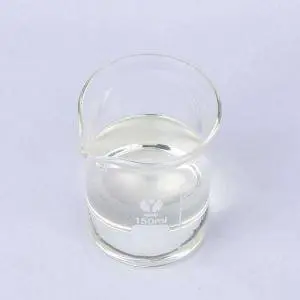
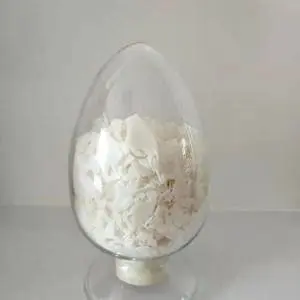
| Appearance | White crystalline powder |
| Moisture Content | Max 0.25% |
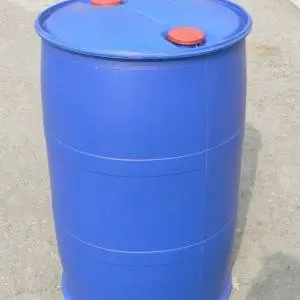
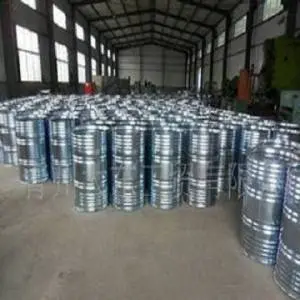
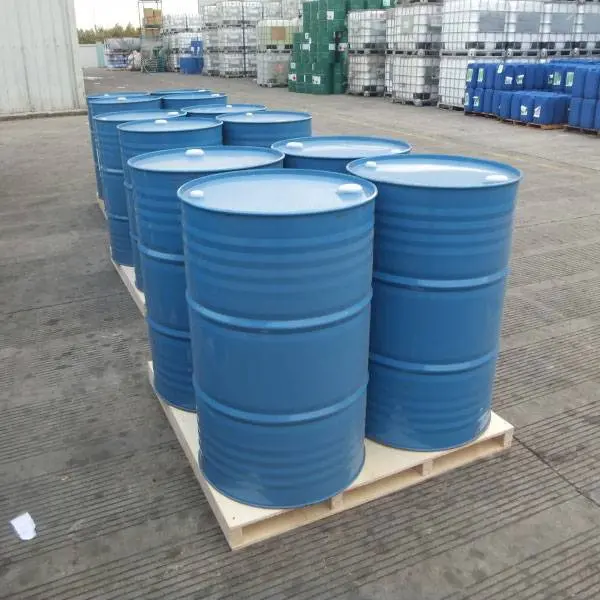
| Packaging | 25 kg or 50 kg bags |
Now, when choosing a supplier, it’s not always just about the cheapest sticker price. I once had a customer tell me that after switching to a slightly more expensive vendor with a better track record for consistency, their production hiccups dropped dramatically. Sometimes the cost savings you think you have from a lower price evaporate once you factor in downtime or quality failures.
| Vendor | Price (per kg) | Purity (%) | Lead Time | Minimum Order |
|---|---|---|---|---|
| Vendor A | $12.50 | 99.2 | 2 weeks | 1 ton |
| Vendor B | $13.80 | 99.5 | 1 week | 500 kg |
| Sincere Chemicals | $13.20 | 99.3 | 1-2 weeks | 1 ton |
Speaking personally, I’ve come to appreciate suppliers who maintain transparency—not only on pricing but on batch quality and testing certificates. It feels like that little extra honesty saves time and trust, which, you know, ultimately saves money too. If you’re looking into potassium iodate, don’t just shop prices; check the specs and reputation.
Lastly, a small anecdote: A food fortification plant once moved to a new potassium iodate supplier who offered better value but lower initial pricing. Turns out the product absorbed moisture faster, and they had to discard batches. It cost them more in the long run. So it often pays off to look at the total cost of ownership rather than just the cost per kilogram.
In real terms, if you’re budgeting for potassium iodate, give some thought to your application’s quality need and supplier reliability. Prices might ebb and flow, but a solid supplier relationship tends to level the risks involved.
After years of working around these chemicals, my two cents is to start with well-established vendors and verify their specs regularly. That’s easier said than done, of course, but it’s the most consistent way to get the best value for your money.
For more details and sourcing options, I recommend checking out Sincere Chemicals, who have built a reputation for credible pricing and dependable quality.
References:
1. Industry price trends report, Chemical Market Insights, 2023
2. Quality assurance case studies, Food Safety Journal, 2022
3. Personal experience and client feedback, 2010-2024
Post time: Jan . 05, 2026 01:35