

Comprehensive Guide to Dimethylbenzylamine Applications and Safe Handling Procedures
Understanding Dimethylbenzylamine: Applications and Safety Considerations
Dimethylbenzylamine (DMBA) is a versatile tertiary amine widely used as a catalyst in various chemical processes. It's a key component in the production of polyurethane foams, epoxy resins, and other polymers. This article delves into the properties, applications, safety protocols, and sourcing of high-quality dimethylbenzylamine, providing a comprehensive overview for professionals in the chemical industry. Understanding its characteristics and handling procedures is crucial for ensuring efficient production and workplace safety. Sincere Chemicals provides reliable supply and technical expertise for DMBA applications.
Key Properties of Dimethylbenzylamine
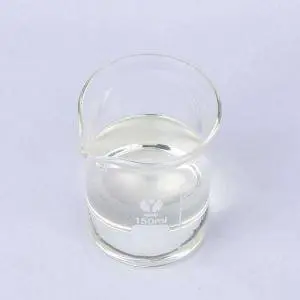
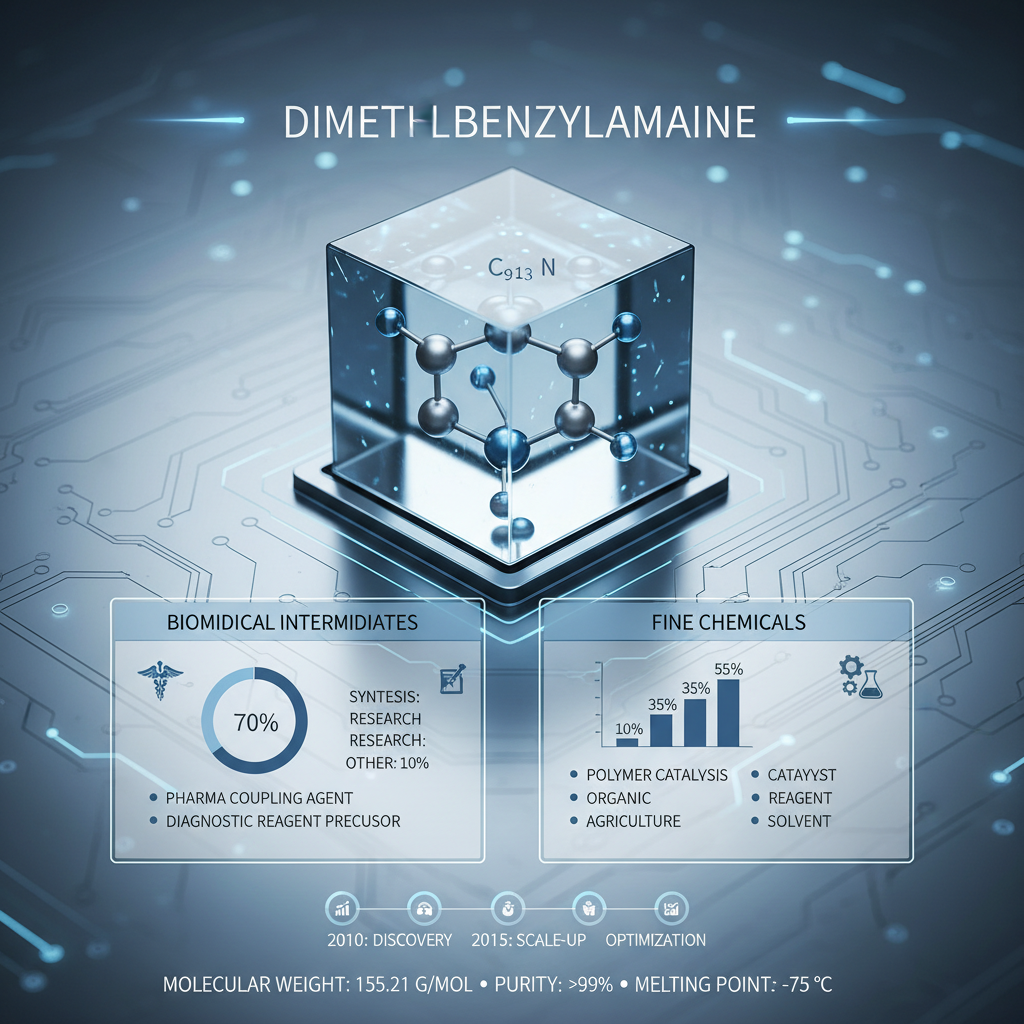
Dimethylbenzylamine (C9H13N) is a clear, colorless to pale yellow liquid with a characteristic amine odor. Its molecular weight is 135.21 g/mol. It exhibits good solubility in organic solvents, and is sparingly soluble in water. DMBA is a strong base and readily reacts with acids. Its relatively low viscosity makes it easy to handle and mix in chemical formulations. It’s vital to note its flammability and potential irritant properties, demanding careful handling and storage procedures. The amine group's reactivity makes it ideal as a catalyst and curing agent.
Key Highlights: Clear, colorless to pale yellow liquid, good solubility in organic solvents, strong base, relatively low viscosity, and reactivity stemming from the amine group.
Applications of Dimethylbenzylamine in the Chemical Industry
The primary application of dimethylbenzylamine lies in the production of polyurethane foams, where it acts as a tertiary amine catalyst, accelerating the reaction between polyols and isocyanates. It’s also extensively used as a curing agent for epoxy resins, promoting crosslinking and enhancing the resin’s mechanical properties. Furthermore, DMBA finds use in the manufacturing of textile auxiliaries, rubber chemicals, and as an intermediate in the synthesis of pharmaceuticals and other specialty chemicals. Its catalytic efficiency and selectivity make it a valuable component in diverse chemical processes.
Key Application Areas:
• Polyurethane Foam Production
• Epoxy Resin Curing
• Textile Auxiliaries
• Pharmaceutical Intermediates
Dimethylbenzylamine: Technical Specifications and Purity Levels
The quality and purity of dimethylbenzylamine are critical for optimal performance in its various applications. Sincere Chemicals offers DMBA with varying purity levels to meet specific customer requirements. Here’s a typical specification sheet:
Safety and Handling of Dimethylbenzylamine
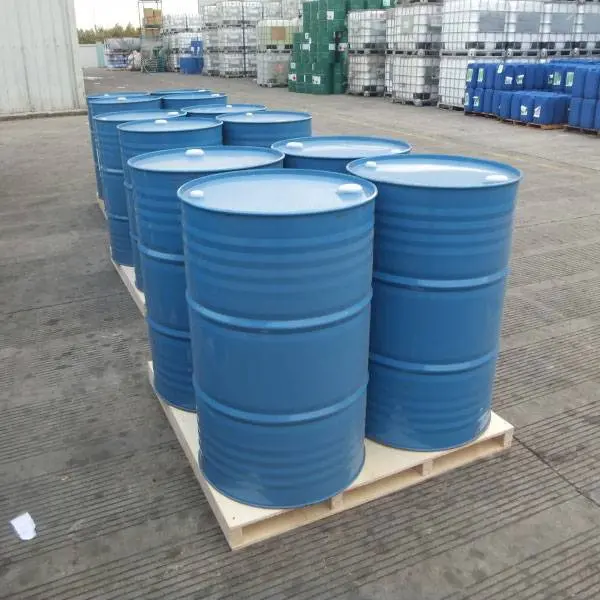
Dimethylbenzylamine is a corrosive and irritant substance. Direct contact can cause skin and eye irritation. Inhalation of vapors can cause respiratory irritation. Proper personal protective equipment (PPE), including safety goggles, gloves, and a respirator, should always be worn when handling DMBA. Ensure adequate ventilation in the work area. In case of contact, immediately flush affected areas with plenty of water and seek medical attention. Store DMBA in a cool, dry, and well-ventilated area, away from incompatible materials like strong acids and oxidizing agents. Refer to the Safety Data Sheet (SDS) for detailed safety information.
Sourcing High-Quality Dimethylbenzylamine from Sincere Chemicals
Choosing a reliable supplier is paramount when procuring dimethylbenzylamine. Sincere Chemicals is a trusted manufacturer and supplier of high-quality DMBA, offering consistent purity, competitive pricing, and exceptional customer service. We adhere to stringent quality control standards and provide comprehensive documentation, including Certificates of Analysis (COA) and Safety Data Sheets (SDS). We’re committed to providing tailored solutions to meet your specific needs, supported by our experienced technical team. Partner with Sincere Chemicals for a dependable supply of DMBA.
Conclusion: Reliable DMBA for Optimal Performance
The quality of dimethylbenzylamine directly impacts the efficiency and quality of your chemical processes. Sincere Chemicals provides the consistent purity, reliable supply, and technical support you need to succeed. Invest in a trusted partner and ensure optimal results.
Frequently Asked Questions (FAQs)
What are the primary hazards associated with Dimethylbenzylamine?
Dimethylbenzylamine is classified as a corrosive and irritant. Exposure can cause severe skin burns and eye damage. Inhalation of vapors can irritate the respiratory tract. It is also flammable and should be kept away from heat, sparks, and open flames. Always consult the Safety Data Sheet (SDS) for detailed hazard information and recommended safety precautions. Proper PPE, including gloves, goggles, and a respirator, is essential when handling this chemical. Avoid breathing vapors and ensure adequate ventilation.
What is the recommended storage procedure for DMBA?
Store Dimethylbenzylamine in a tightly closed container in a cool, dry, and well-ventilated area. Protect it from direct sunlight and sources of heat and ignition. Keep it separate from incompatible materials, such as strong acids, oxidizing agents, and other reactive chemicals. Ground containers to prevent static electricity buildup. Follow all local and national regulations for storing hazardous materials. Regularly inspect containers for leaks or damage.
How does the purity of DMBA impact its performance as a catalyst?
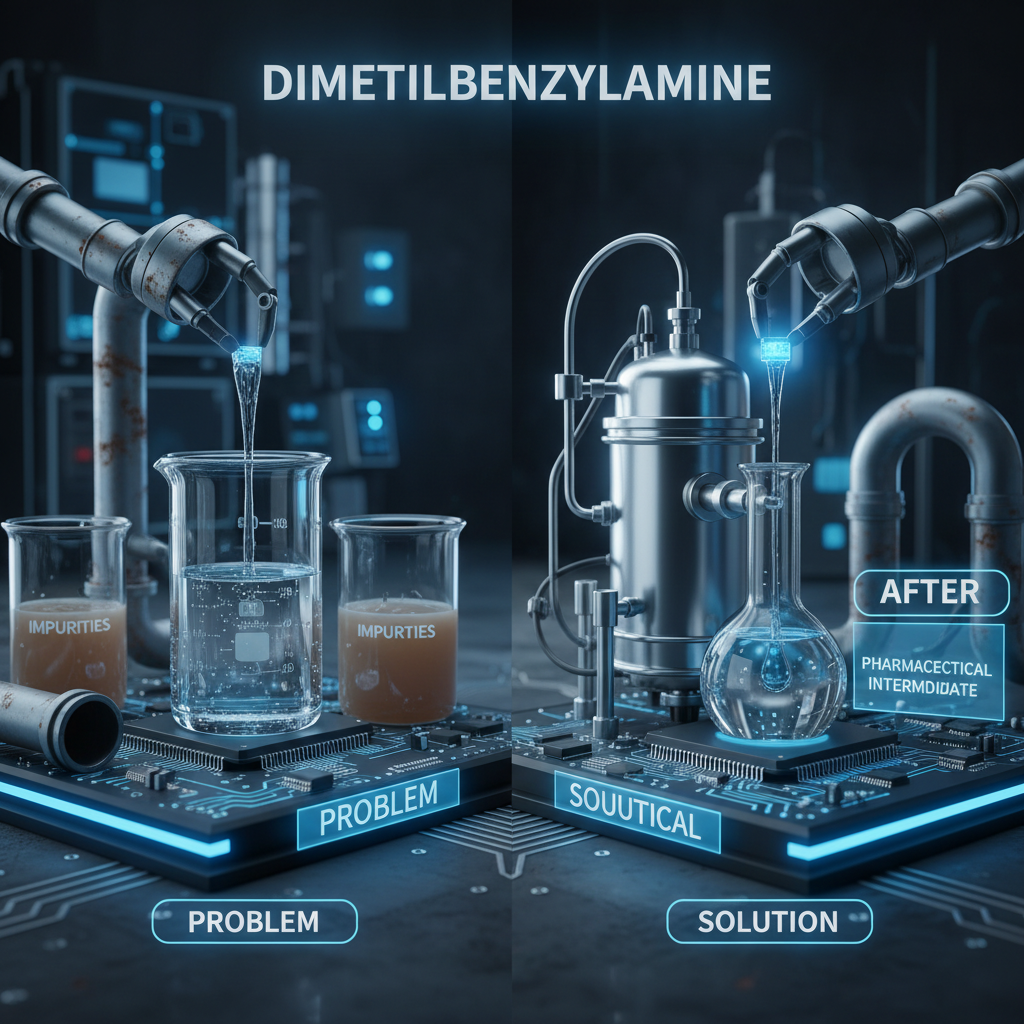
The purity of dimethylbenzylamine directly affects its catalytic activity. Impurities can interfere with the desired chemical reaction, reducing efficiency and potentially leading to unwanted side products. Higher purity DMBA generally provides faster reaction rates, better selectivity, and more consistent results. Sincere Chemicals guarantees high purity levels in its DMBA products to ensure optimal performance.
What is the shelf life of Dimethylbenzylamine?
Dimethylbenzylamine, when stored properly in a tightly sealed container and protected from light, air, and moisture, generally has a shelf life of at least two years. However, it's always best to check the Certificate of Analysis (COA) provided with each batch for specific expiration dates and storage recommendations. Over time, DMBA can degrade due to oxidation, affecting its purity and catalytic activity.
Post time: Mar . 08, 2026 02:35