

Guide to Selecting High Purity Iodine Suppliers for Industry
Finding reliable raw material partners in the organic chemical sector requires a deep understanding of purity standards and supply chain stability. For procurement managers in the pharmaceutical and electronics industries, the consistency of chemical intermediates is not just a preference but a critical operational requirement. When evaluating iodine suppliers, the focus often shifts from mere price points to the technical capability of the manufacturer to maintain low moisture levels and high purity profiles across large-scale batches.
This guide examines the technical specifications and industrial applications of high-purity chemical agents, specifically focusing on those used as melting agents and organic synthesis precursors. By analyzing the relationship between chemical purity and final product yield, we provide a framework for selecting partners who can ensure both quality stability and prompt delivery for global exports.

Analyzing Technical Specifications and Purity Requirements for Organic Synthesis
In the realm of basic organic chemical manufacturing, the efficacy of a reaction is often dictated by the impurity profile of the starting materials. A purity level of ≥99.5% is essential for applications involving electronics and pharmaceutical synthesis, where even trace contaminants can lead to catalyst poisoning or undesired side reactions. Specifically, maintaining water content at ≤0.05% is crucial for moisture-sensitive processes, preventing hydrolysis and ensuring the stability of the final compound.
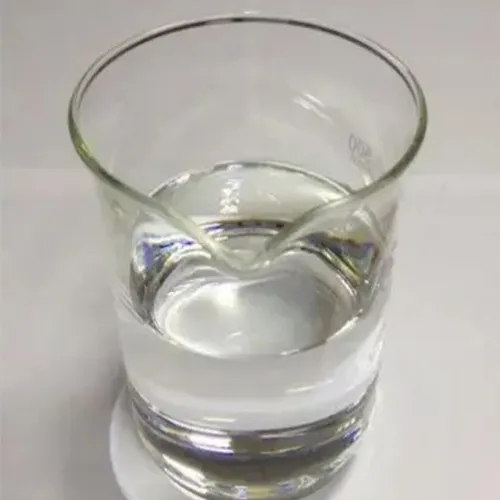
The physical properties of these agents—characterized as colorless transparent oil liquids with a distinct peppery taste and fruity aroma—facilitate their use in a variety of solvent environments. While insoluble in water, their high solubility in ethyl alcohol, ether, and most organic solvents makes them versatile tools for chemists. This solubility profile allows for precise concentration control during the synthesis of complex organic molecules, which is a primary requirement for high-yield industrial production.

Industrial Applications from Electronics to Agricultural Chemistry
The versatility of these chemical compounds allows them to serve multiple roles across diverse sectors. In the agricultural sector, they are frequently utilized as steam insecticides and melting agents, where their unique volatility and solvency characteristics enable the effective delivery of active ingredients. In the pharmaceutical industry, they serve as vital precursors for organic synthesis, enabling the creation of complex molecular structures required for modern medicine.
Beyond these, the application extends to:
- Electronics: Used in the synthesis of high-purity conductive materials and cleaning agents.
- Veterinary Drugs: Acting as a stable base for the formulation of livestock medications.
- Synthetic Materials: Employed in the production of advanced polymers and dyes.
- Water Treatment: Utilizing specific chemical properties to facilitate purification processes.
Strategic Procurement and Supply Chain Stability in Chemical Sourcing
For global buyers, the risk of supply chain disruption is a significant concern. Stability is achieved through a combination of high automation in production and strategic partnerships with research institutes. A production capacity exceeding 260 MT per month, supported by environmental protection processes, ensures that shipment schedules are met even during periods of peak demand. This scale allows for competitive factory pricing without compromising the rigorous standards required for international export.
Quality assurance is the cornerstone of commercial trust. The implementation of an ISO-certified quality control system, coupled with independent QC departments and the acceptance of third-party inspections like SGS, provides buyers with the necessary verification. The ability to provide free samples for pre-order testing ensures that the bulk quantity matches the laboratory-approved specification, eliminating the risk of costly production errors in the buyer's facility.
Evaluation Framework for Chemical Material Selection
| Evaluation Factor | Standard Requirement | Impact on Application | Risk Level |
|---|---|---|---|
| Purity Level | ≥99.5% | Directly affects reaction yield | High |
| Water Content | ≤0.05% | Prevents undesired hydrolysis | Critical |
| Solubility | Organic Solvents | Determines mixing efficiency | Medium |
| Packaging | IBC / Drum | Prevents leakage and oxidation | Medium |
| Certifications | ISO / SGS | Ensures batch consistency | High |
Optimizing Logistics and Storage for Hazardous Chemical Compounds
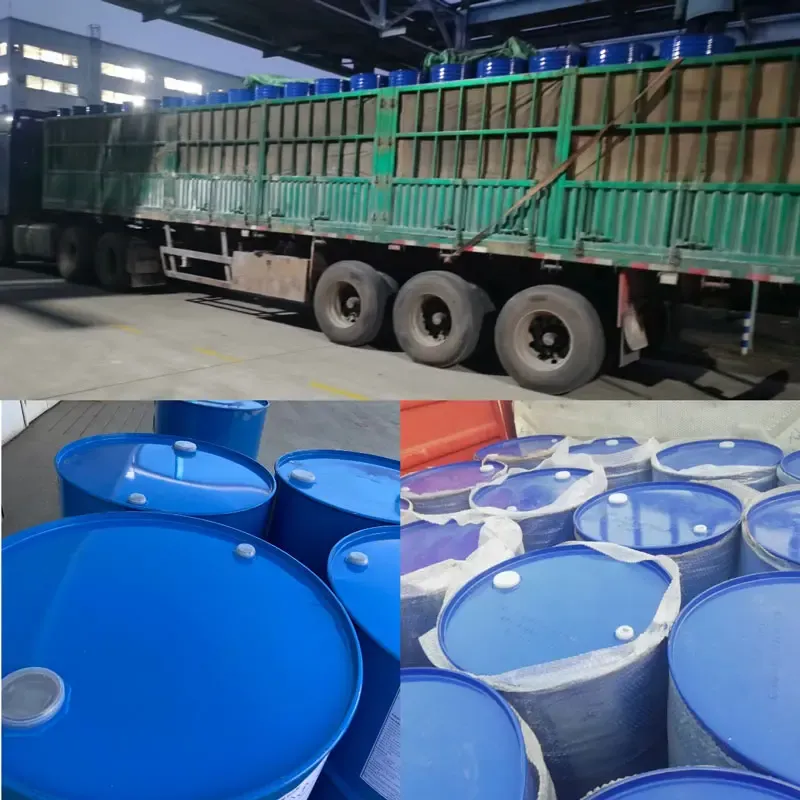
The safe transport of organic chemicals requires specialized logistics knowledge. Proper packaging in 250kg drums or 1000kg IBC containers is the first line of defense against contamination and leaks. Because these materials must be kept tightly closed to prevent contact with water and moisture, the loading process must be supervised by professional teams who provide complete loading reports and cargo photos before and after shipment.
Storage conditions are equally critical to maintain the 99.5% purity standard. Materials must be stored in cool, dry, and well-ventilated areas, far from fire or heat sources. Failure to adhere to these storage protocols can lead to degradation of the chemical properties, potentially rendering the material unsuitable for sensitive organic synthesis. Buyers are encouraged to implement strict warehouse controls to preserve the integrity of the product from the point of delivery to the point of use.
Future Trends in Green Chemistry and Sustainable Sourcing
The chemical industry is currently undergoing a transition toward more sustainable manufacturing processes. The adoption of new environmental protection processes in production not only reduces the ecological footprint but also often results in a more refined product with fewer impurities. This shift is driven by stricter global regulations and a growing demand from buyers in Europe and Japan for "green" chemical precursors.
Looking forward, the integration of high-automation factories will further stabilize pricing and quality. For procurement specialists, the trend is moving toward "one-stop purchasing services" where the supplier provides deep chemistry knowledge and market insights to save time and reduce costs. By aligning with suppliers who invest in R&D and provincial research institutes, companies can ensure they have access to the latest developments in synthetic materials and pharmaceutical intermediates.
Common Technical and Procurement Inquiries
What is the typical purity standard for industrial-grade organic intermediates?
For most high-end applications in electronics and medicine, a purity level of ≥99.5% is the standard. This ensures that side reactions are minimized and the final product meets stringent regulatory requirements.
Why is the water content limit so strict at 0.05%?
Many organic synthesis reactions are moisture-sensitive. Water can act as a contaminant that triggers hydrolysis or neutralizes catalysts, which significantly reduces the overall yield and purity of the final compound.
Can these products be customized for specific application needs?
Yes, through collaborations with research institutes and technical teams, specifications can often be adjusted to meet specific industry requirements, although standard high-purity grades are most common for export.
What are the recommended storage conditions to prevent degradation?
Materials should be stored in tightly closed containers in cool, dry, and well-ventilated spaces. It is essential to keep them far from heat sources and fire to maintain chemical stability.
How is quality verified before international shipment?
Quality is verified through internal ISO-certified QC departments and can be further validated by third-party inspection institutions like SGS. Free samples are typically provided for testing prior to bulk orders.
What payment terms are usually available for first-time international buyers?
For initial collaborations, T/T and LC at sight are the standard accepted payment terms to ensure security for both the buyer and the supplier.
Industry Technical Resources
- PubChem - Chemical Database
- ISO - International Organization for Standardization
- American Chemical Society
- World Health Organization - Chemical Safety
Selecting the right chemical partner requires a balance of technical verification and logistical reliability. By focusing on purity, stability, and certified quality control, procurement managers can secure a supply chain that supports consistent industrial growth.
Related Chemical Product Insights