

Buy Potassium Iodate – Trusted Industrial Supplier Insights
Potassium Iodate Buy: What Industry Insiders Know
Having spent more than a decade in the industrial equipment sector, I've come across a surprising number of uses for something as seemingly simple as potassium iodate. If you’re hunting to buy potassium iodate, there’s more to it than just securing a chemical. Frankly, this oft-overlooked compound plays a quiet but essential role across a handful of industries, from food fortification to water treatment, radiation protection, and even specialty ceramics.
In real terms, potassium iodate (KIO3) is prized for its stability and oxidizing power. Unlike potassium iodide, which people sometimes confuse it with, iodate salts are more stable under different environmental conditions — and that is a huge plus when you’re dealing with long-term storage or varying supply chains. I’ve noticed early on that many engineers tend to lean toward potassium iodate for applications requiring consistent iodine release without pesky degradation issues.
What makes it interesting is how tight the specifications often are, depending on your usage. In some projects, purity levels above 99% are non-negotiable, especially in food-grade applications where any impurities can cause noticeable off-flavors or fail regulatory requirements. On the other hand, industrial uses—say, in photographic chemicals or specialized oxidizers—sometimes give more wiggle room but require reliable particle size distribution and moisture content.
Oddly enough, purchasing potassium iodate in bulk feels like balancing two main factors: quality assurance and vendor reliability. I remember a project where a delayed shipment held back a whole line of fortified salt packaging, simply because the supplier couldn’t deliver on the promised assay. Since then, our team started a closer comparison process among trusted vendors, ensuring timely delivery combined with lab-tested certificates of analysis.
| Specification | Typical Value | Industry Standard |
|---|---|---|
| Assay (KIO3) | ≥ 99% | ≥ 99% |
| Moisture Content | ≤ 0.5% | ≤ 0.5% |
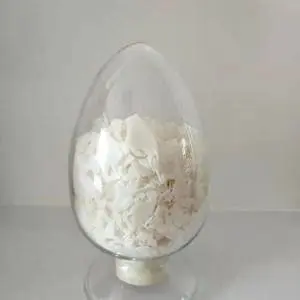
| Appearance | White crystalline powder | White crystalline powder |
| Particle Size | 100 mesh typical | Customized on request |
| Bulk Density | 1.5 g/cm³ | ... |
Now, on the vendor side of things: working with suppliers requires a warm combination of technical clarity and reliable logistics. Over the years, it feels like those two don’t always come hand in hand. Here's a small side-by-side I put together comparing three notable suppliers we’ve worked with:
| Supplier | Purity Guarantee | Delivery Time | Certifications | Customer Support |
|---|---|---|---|---|
| Sincere Chemicals | >99.5% (Batch COA) | 7-10 days | ISO 9001, Food Grade | Responsive & knowledgeable |
| Global Chem Ltd. | 99.0% (Typical) | 10-14 days | ISO 9001 | Moderate support |
| Industrial Reagents | 98.5% (Lab tested) | 5-7 days | None | Limited communication |
In my experience, it’s this blend — quality, speed, and dialogue — that makes all the difference. A trusted supplier like Sincere Chemicals (no surprise, linked above!) often ends up smoothing the whole procurement cycle, allowing technical teams to focus on innovation rather than chasing replacement batches or revalidations.
Looking back, I recall a food fortification client who once called me in a bit of a panic because their potassium iodate batch failed an internal QA test; it wasn’t the supplier’s fault but storage conditions. That tiny incident highlighted how crucial it is not only to buy from reputable providers but also to implement best handling practices in-house. It’s a dance, really: the chemical is just one piece of a much bigger puzzle.
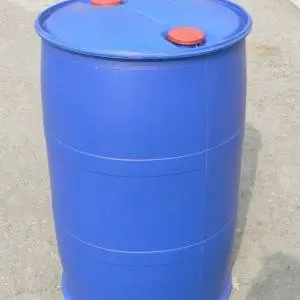
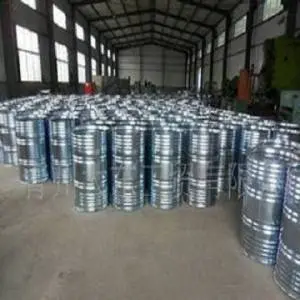
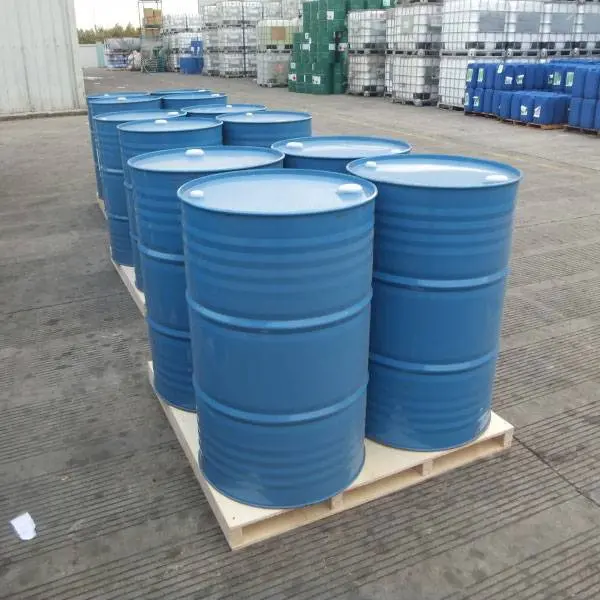
Speaking of customization, many suppliers nowadays offer particle size tailoring and packaging options — everything from 25kg bags to iso tank containers. This is particularly handy when you need to optimize handling or dosing in your production line, especially for bulk industrial clients or international distributors. Our team tends to request samples first, sometimes even running small stability tests, which I’d strongly recommend if you’re venturing into new applications.
To sum it up, buying potassium iodate isn’t merely an order placement. In a way, it’s a strategic choice where transparency, product integrity, and supplier partnership matter — more than one might guess if you’re just skimming the surface.
Hopefully, these insights help you a bit when scouting for your next batch. It feels like a small chemical but the ripple effects in quality and product reliability are quite large.
Cheers to better sourcing and smoother operations!
References
- Food and Agricultural Organization (FAO), for standards on food-grade potassium iodate.
- International Labour Organization (ILO), chemical safety data on potassium iodate handling.
- Supplier quality control reports and Certificates of Analysis (COA) from multiple industrial vendors.
Post time: Jan . 01, 2026 10:20