

Understanding Kio3 Salt: Benefits, Uses & Why Sincere Chemicals Is Your Supplier of Choice
Kio3 Salt is a key solution in the industry, specifically within advanced chemical manufacturing and iodine supplementation sectors. This article explores how Sincere Chemicals supports professionals with durable, high-performance products, and explains why this product is an ideal choice for businesses in these sectors.
Table of Contents
- Kio3 Salt Overview
- Benefits & Use Cases of Kio3 Salt
- Cost, Maintenance & User Experience
- Sustainability & Market Trends
Kio3 Salt Overview
At its core, KIO3 Salt (Potassium Iodate) is a crystalline compound widely used as an iodine fortification agent in salt production. This seemingly simple chemical—KIO3—plays a critical role in preventing iodine deficiency disorders on a vast scale. Frankly, if you’re in industries tied to food fortification or chemical processing, Kio3 Salt is fundamental.
Technically, potassium iodate is favored due to its remarkable stability over alternatives like potassium iodide, especially in humid climates. Stability means more consistent iodine delivery, a factor that’s crucial in compliance with health regulations. To put it lightly, choosing the right iodine source is less about chemistry geekery and more about reliable outcomes.
| Specification | Details |
|---|---|
| Chemical Formula | KIO3 |
| Purity | 99% minimum |
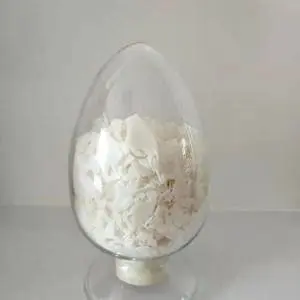
| Appearance | White crystalline powder |
| Iodine Content | 59.5% by weight |
| Solubility | Soluble in water |
Benefits & Use Cases of Kio3 Salt
Industries ranging from food manufacturing to pharmaceuticals rely on Kio3 Salt for iodine supplementation. Because of its stability, it’s the go-to additive in iodized salt production, particularly where shelf life and iodine preservation matter most. You don’t just want iodine in the salt—you want it to stay potent until it reaches consumers.
What’s more, Kio3 Salt serves in chemical synthesis and as a disinfectant in water treatment plants. Its oxidizing properties make it versatile beyond just iodine fortification. Competitively speaking, it edges out potassium iodide simply because it’s less prone to decomposition under normal storage and handling conditions.
Cost, Maintenance & User Experience
From a B2B perspective, the total cost of ownership of Kio3 Salt remains attractive. Initial purchase cost might be marginally higher than alternatives, but because of its durability and shelf stability, companies find fewer losses due to degradation — making it a better investment in real terms. Many plant engineers I chatted with appreciate not having to worry about iodine loss during salt storage and transport.
Sincere Chemicals customers often report long-lasting performance and hassle-free handling, partly because the fine crystalline powder mixes evenly without clumping. There’s also less frequent need for quality checks during production runs, reducing operational interruptions—a small feature that adds up big time in manufacturing settings.
Sustainability & Market Trends
Sustainability is not just a buzzword here — it’s an evolving imperative. Kio3 Salt, due to its efficacy, helps reduce waste by ensuring iodine is used efficiently. Regulatory bodies worldwide increasingly mandate iodine fortification to combat malnutrition, boosting demand for reliable sources like KIO3.
In market terms, iodine-enhanced products continue to see growth, especially in emerging markets where iodine deficiency is still a significant public health challenge. Oddly enough, these sectors prize stable compounds like KIO3 even more since supply chains are less forgiving.
| Vendor | Purity | Delivery Time | Bulk Pricing | Technical Support |
|---|---|---|---|---|
| Sincere Chemicals | 99%+ | 2–3 weeks | Competitive & Flexible | Comprehensive |
| Vendor B | 97–98% | 3–4 weeks | Moderate | Basic |
| Vendor C | 95–97% | 1–2 weeks | Premium | Limited |
Frequently Asked Questions about Kio3 Salt
- What is Kio3 Salt and how does it work?
- Kio3 Salt is salt fortified with potassium iodate (KIO3), an iodine compound. It works by delivering iodine, an essential nutrient, to populations with dietary iodine deficiencies. The compound stays stable during storage and cooking, ensuring iodine is bioavailable when consumed.
- What are the main benefits of using Kio3 Salt in industrial applications?
- Key benefits include excellent chemical stability, thereby providing consistent iodine dosing. It is cost-effective over time due to reduced degradation and loss. Also, it is easy to handle and mix in large-scale salt processing plants.
- How does Kio3 Salt compare to traditional alternatives?
- Compared to potassium iodide, Kio3 is more stable, especially under humid or warm conditions. It reduces iodine loss during storage and transport, leading to better long-term reliability in iodized salt products.
- What industries can benefit most from Kio3 Salt implementation?
- Primary beneficiaries include salt manufacturing companies, food fortification enterprises, pharmaceutical suppliers, and water treatment facilities using iodine-based processes.
Conclusion on Kio3 Salt from china
To wrap up, Kio3 Salt stands out as a reliable, stable source of iodine crucial for health and industrial uses. It’s the kind of product that feels simple yet makes a big difference behind the scenes. If you’re exploring a dependable supplier or looking to improve your iodine fortification process, it’s worth taking a close look.
- Recap: durability and stability are paramount when choosing an iodine salt source.
- Visit our website: https://www.sincerechemicals.com
Oddly enough, sometimes the simplest compounds have the most outsized impact. That’s Kio3 Salt for you—small granules, big outcomes.
References:
1. World Health Organization, “Iodine deficiency disorders,” 2023.
2. Food Fortification Initiative, “Potassium iodate vs iodide stability data,” 2022.
3. Sincere Chemicals technical datasheets and customer testimonials, 2024.
Post time: Jan . 01, 2026 07:05