

4-Methylmorpholine N-oxide (NMO) | High-Purity, Bulk Supply
What Buyers Really Need to Know About 4-Methylmorpholine N-oxide (NMMO)
I’ve toured a lot of chemical plants, and—honestly—few solvents punch above their weight like 4-Methylmorpholine N-oxide. If you work in cellulose spinning, green fiber innovation, or selective oxidations, you’ve bumped into it. It’s not flashy, but it’s pivotal.
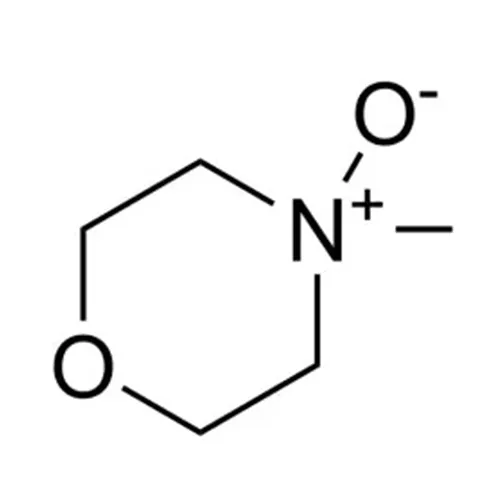
Quick specs at a glance
| Parameter | Value (≈, real-world use may vary) |
|---|---|
| Chemical name | 4-Methylmorpholine N-oxide; N-methylmorpholine oxide; NMMO |
| CAS | 7529-22-8 |
| Formula / MW | C5H11NO2 / 117.15 g·mol⁻1 |
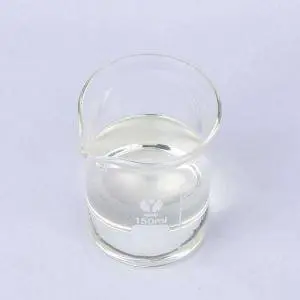
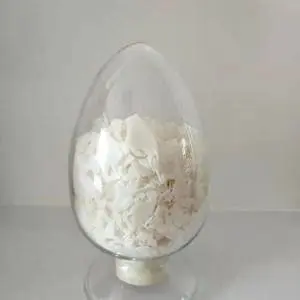
| Appearance | Colorless liquid (clear, low odor) |
| Purity (GC) | ≥ 99.0% |
| Water content (KF) | Typically 50–60 wt% for processing grades |
| Stabilizer | Phenolic antioxidant package (e.g., propyl gallate), on request |
| Density (20 °C) | ≈ 1.13–1.17 g/cm³ |
| Shelf life | 12 months sealed, cool storage, away from metal ions and strong acids |
Where it’s used (and why it matters)
- Cellulose dissolution and Lyocell/Tencel-type fiber spinning (closed-loop systems).
- Selective oxidations in fine chemicals: TPAP/4-Methylmorpholine N-oxide for alcohol-to-aldehyde/ketone conversions.
- Polymer modification and film casting R&D, where mild but effective solvency is prized.
Many customers say the switch to 4-Methylmorpholine N-oxide helped them clean up effluent and, surprisingly, speed up dope preparation. I guess that’s what you get when solvent recovery loops are dialed in.
How it’s made and qualified (process flow)
- Materials: morpholine → N-methylmorpholine → oxidation to 4-Methylmorpholine N-oxide (controlled H2O2 or peracid route, catalytic).
- Crude workup: phase separation, removal of residual oxidant, ion control.
- Stabilization: addition of antioxidant package (on spec).
- Concentration: vacuum adjustment to target water (50–60% typical for fiber grade).
- QA/QC: GC purity; Karl Fischer water (ASTM E203/ISO 760); metals (ICP-OES); color (APHA); thermal stability (DSC/TGA).
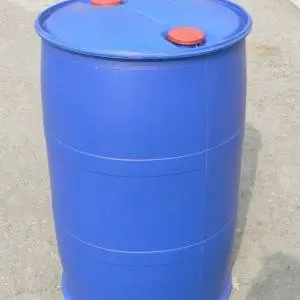
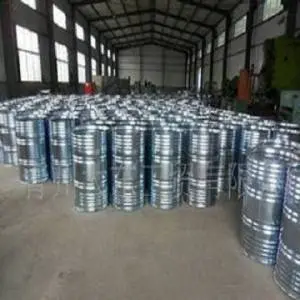
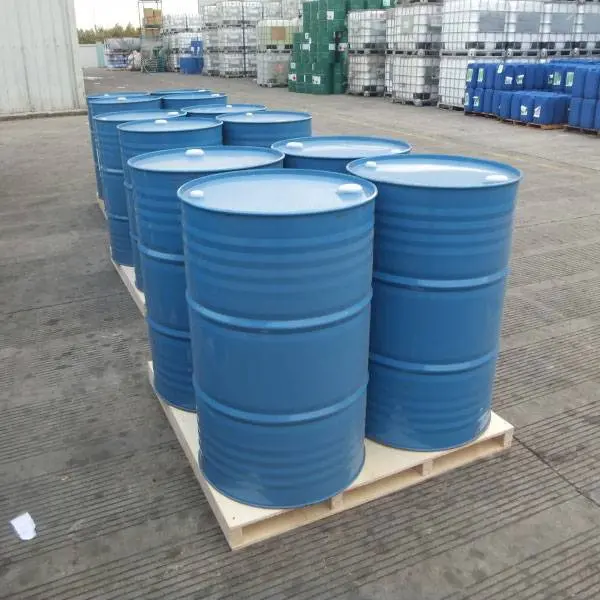
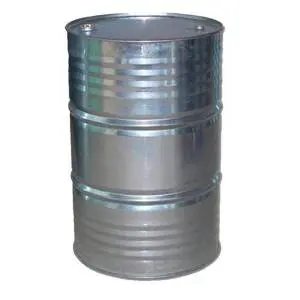
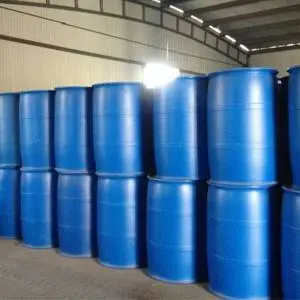
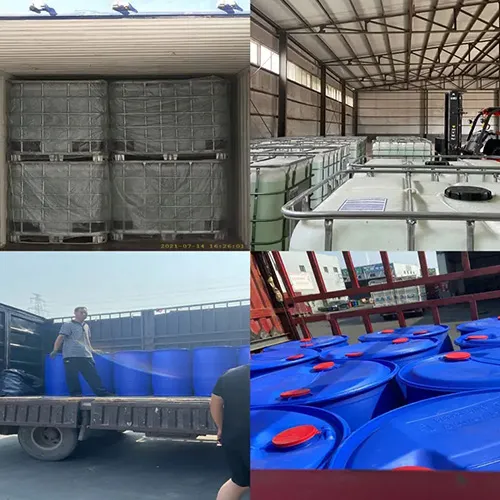
- Packing: 25 kg drums, 200 kg drums, or IBCs; COA and SDS enclosed.
Standards and compliance: ISO 9001/14001 site systems, REACH registration-ready dossiers, GHS labeling, and cellulose-fiber customers usually ask for hazard stability data (on request).
Vendor snapshot (real-world buyer notes)
| Vendor | Grade options | Lead time | Certs | Notes |
|---|---|---|---|---|
| Sincere Chemicals (Origin: Jinling Mansions No.106-1 East Yuhua Rd., Shijiazhuang, Hebei, China) | 50%, 55%, 60% stabilized 4-Methylmorpholine N-oxide | 2–4 weeks typical | ISO 9001, ISO 14001 | Balanced pricing; solid tech docs and COAs |
| Vendor A (EU) | Fiber-grade, lab-grade | In-stock for lab, 3–6 weeks bulk | REACH, ISO 9001 | Premium price; quick samples |
| Vendor B (US) | R&D packs, custom stabilizer | 2–3 weeks | ISO 9001 | Great tech support; limited bulk slots |
Testing data and service life
Typical COA: purity 99.2% (GC), water 55.1% (KF), APHA ≤ 50, Fe ≤ 5 ppm. Storage at 15–25 °C extends stability; avoid copper/iron contact. Service life is about 12 months sealed; after opening, retest KF and color monthly (to be honest, many plants do it biweekly during peak runs).
Case notes from the field
- Cellulose fiber mill (SEA): Switching to 55% stabilized 4-Methylmorpholine N-oxide cut dope prep time by ≈12% and reduced off-shade events by ~8% in Q2, per internal QA logs.
- Pharma intermediate shop (EU): TPAP/4-Methylmorpholine N-oxide oxidation boosted yield from 78% to 86% with tighter aldehyde specs (GC area% RSD
Feedback has been pragmatic: “good consistency, watch your water spec,” as one process engineer told me over coffee. Fair enough.
Safety and handling
Strong oxidizing behavior under certain conditions—use closed systems, inert headspace where practical, and maintain inhibitor levels. Follow SDS, GHS/CLP labeling, and local transport rules.
Authoritative citations
- European Chemicals Agency (ECHA) substance information: N-methylmorpholine N-oxide (CAS 7529-22-8). https://echa.europa.eu/
- ASTM E203 – Standard Test Method for Water Using Volumetric Karl Fischer Titration. https://www.astm.org/
- ISO 9001:2015 Quality management systems — Requirements. https://www.iso.org/
- Lyocell process overview and NMMO solvent systems, ACS Sustainable Chem. Eng. reviews. https://pubs.acs.org/
Post time: Oct . 24, 2025 19:05