

Comprehensive Guide to Potassium Iodide on Skin: Safety, Uses, and Best Practices
Understanding Potassium Iodide on Skin: What You Need to Know
Potassium iodide on skin might not be your usual everyday topic, but in many ways, it plays a subtle yet crucial role — especially when it comes to radiation protection, emergency preparedness, and even some industry applications. Globally, knowing how potassium iodide interacts with skin affects everything from public health protocols during nuclear accidents to safe pharmaceutical practices. Oddly enough, it’s a chemical that quietly bridges the gap between complex science and real-world safety. So, why does this matter? Because understanding it can literally help protect millions from radioactive iodine exposure, and also guide industries in using it safely and effectively.
Global Context: Why Potassium Iodide Matters
To frame it broadly: potassium iodide has a well-recognized role in preventing the thyroid gland from absorbing radioactive iodine — a concern raised by nuclear incidents such as Fukushima or Chernobyl. The United Nations Scientific Committee on the Effects of Atomic Radiation (UNSCEAR) emphasizes its importance in emergency countermeasures worldwide.1 In fact, countries maintain stocks of potassium iodide tablets as part of their nuclear disaster readiness plans.
But on a smaller scale, industry workers who handle potassium iodide compounds need to understand how it affects skin exposure, since improper contact can cause irritation or other health effects. This has been backed up by data from the International Labour Organization (ILO), which highlights safe handling guidelines to minimize risks.2
So, the problem is twofold: from large-scale public health challenges to industrial safety concerns, knowledge about potassium iodide on skin is critical.
What Does 'Potassium Iodide on Skin' Mean?
At face value, potassium iodide on skin refers to instances where the compound comes into direct contact with human skin. Potassium iodide (KI) itself is a white salt commonly used in medicine, chemistry, and industrial applications. When it touches skin, its effects vary depending on concentration and exposure time — from harmless traces to mild irritation.
To put it plainly, the connection between potassium iodide and skin is about how this chemical’s protective or harmful qualities manifest externally. For emergency responders handing out KI tablets, or chemical plant workers, knowing how to handle potassium iodide exposure on skin is crucial.
Key Factors in Handling Potassium Iodide on Skin
1. Concentration & Purity
Typically, pure potassium iodide solutions (like those in medicine) are diluted enough to be safe for skin contact. However, concentrated forms can cause skin irritation or staining. Always know the product’s concentration.
2. Exposure Time
Longer contact increases risk. Quick washing after accidental spills reduces potential irritation, so emergency procedures often focus on immediate skin decontamination.
3. Application Purpose
Potassium iodide is sometimes applied to skin to protect against radioactive iodine, but this is less common than oral use. Still, knowing that topical absorption rates differ matters in certain field applications.
4. Material Compatibility
It’s also important to consider what’s on the skin — oils, dirt, or other chemicals can alter how potassium iodide interacts with skin, potentially increasing irritation.
5. Safety Measures & PPE
Wearing gloves and protective clothing is the frontline defense for industrial workers, minimizing skin exposure risks.
Product Specifications for Typical Potassium Iodide
| Specification | Typical Value |
|---|---|
| Chemical Formula | KI |
| Purity | ≥99% |
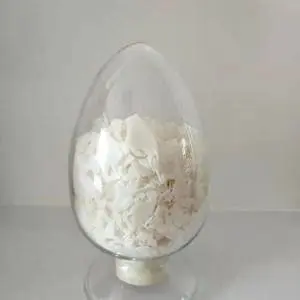
| Appearance | White crystalline powder |
| Solubility in water | 144 g/100 mL at 20°C |
| Melting Point | 681°C (decomposes) |
Vendor Comparison: Potassium Iodide Suppliers
| Supplier | Price/kg | Purity | Shipping Options | Support & Documentation |
|---|---|---|---|---|
| Sincere Chemicals | $45 | 99.5% | Worldwide express | Detailed MSDS & tech support |
| ChemCorp | $48 | 99% | Standard ground | Basic documentation |
| Global Iodides | $50 | 99.7% | International logistics | 24/7 global support |
Global Applications & Use Cases
It’s actually fascinating how potassium iodide on skin finds its way into several arenas. For instance, during nuclear emergency preparedness, first responders and affected populations sometimes face potential skin exposure, so protocols prioritize quick decontamination methods.
Then, in the pharmaceutical industry, topical potassium iodide solutions are used for certain antiseptic and anti-inflammatory treatments — but they must be carefully formulated to avoid skin irritation. In remote industrial zones with chemical manufacturing or radiology services, workers rely on protective measures, including proper handling of potassium iodide on skin.
Even humanitarian organizations involved in disaster relief use potassium iodide tablets and educate populations on safe handling, indirectly relating to the skin topic.
Advantages & Long-Term Value of Understanding Potassium Iodide on Skin
- Safety: Mitigating skin irritation and other side effects by proper handling reduces health risks.
- Trust: Organizations that train staff on chemical safety foster confidence among workers and communities.
- Cost Efficiency: Avoiding workplace skin contamination cuts down on medical costs and downtime.
- Sustainability: Better knowledge encourages responsible use and disposal, aligning with environmental standards.
Emotionally, knowing that simple steps can prevent harm feels reassuring — nobody wants invisible dangers on their skin. Logically, it reduces occupational health claims and liability. In the grand scheme, it builds a culture of safety around this potent chemical.
Future Trends & Innovations
The future here is not static. Advances in green chemistry are pushing for cleaner synthesis of potassium iodide with fewer impurities — reducing skin irritation risks. Meanwhile, wearable sensors under development may soon detect harmful skin exposure early on, prompting immediate action.
On the policy front, stricter international guidelines appear on the horizon, propelling companies to up their training and safety gear. Automation in chemical handling also suggests less unprotected skin contact in factories, which is a big plus.
Challenges & Solutions
The main issue is that potassium iodide can stain skin and fabric, which sometimes causes behavioral avoidance of its protective use. Another challenge is that knowledge gaps persist among nontechnical personnel regarding safe use.
Solutions include enhanced educational campaigns and improved formula innovations that reduce skin staining. Protective barriers like gloves remain critical. Companies like Sincere Chemicals emphasize both quality supply and user training, tackling these hurdles firsthand.
FAQ: Common Questions About Potassium Iodide on Skin
- Is potassium iodide safe to apply directly on skin?
- Potassium iodide in dilute, medical-grade solutions is generally safe but can cause mild irritation if left on skin too long. It's mostly recommended to avoid prolonged contact and wash immediately if spilled.
- Can potassium iodide stains on skin be removed easily?
- Yes, usually gentle soap and water can remove stains. However, some discoloration may persist temporarily. Using alcohol wipes or mild solvents can help but always with caution.
- How should workers protect themselves from potassium iodide skin exposure?
- Proper use of gloves, lab coats, and eye protection is essential. Quick decontamination of skin with water reduces irritation risk. Training on chemical handling is strongly advised.
- Does potassium iodide protect skin from radiation?
- No, potassium iodide protects the thyroid gland from radioactive iodine but offers no direct skin radiation protection. Skin protection requires separate measures like shielding and clothing.
- Where can I learn more about safe potassium iodide handling?
- Organizations like OSHA, WHO, and MSDS databases provide credible guidelines. Additionally, supplier websites such as Sincere Chemicals offer technical support and training resources.
Conclusion – Your Next Step
Overall, potassium iodide on skin is an overlooked yet vital topic. From emergency preparedness to industrial safety, properly understanding its effects and precautions pays dividends in health, trust, and cost savings. For those interested in dependable quality and support, checking out trusted suppliers like Sincere Chemicals is a smart move. Safe handling begins with knowledge and the right partners — don’t leave it to chance.
Thanks for reading! I suppose it’s a small piece of chemistry, but one with outsized importance when you think about the lives it can impact.
References
Post time: Dec . 04, 2025 05:46