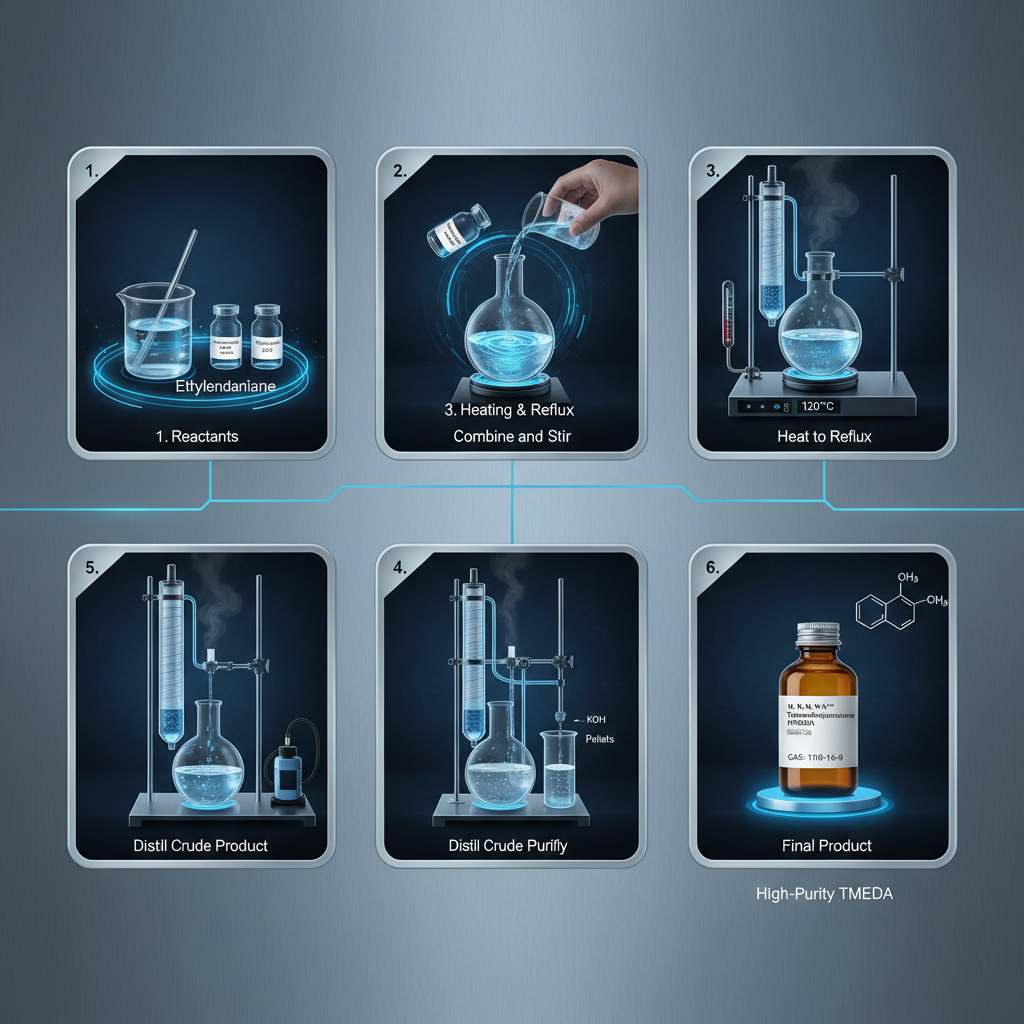
Diaminobenzene, a versatile aromatic diamine, plays a crucial role in the synthesis of numerous polymers, dyes, and other organic compounds. Its significance extends across diverse industries, including textiles, pharmaceuticals, and advanced materials. Understanding its properties and applications is paramount in driving innovation and addressing global challenges related to material science and chemical engineering. The demand for high-purity diaminobenzene continues to rise, driven by the increasing need for specialized polymers with enhanced performance characteristics.
Globally, the production and consumption of diaminobenzene are concentrated in regions with strong chemical manufacturing infrastructure, such as China, India, and Europe. According to recent market reports, the global diaminobenzene market is projected to grow at a compound annual growth rate (CAGR) of approximately 4-6% over the next decade. This growth is fueled by increasing demand from the automotive, aerospace, and electronics industries. However, challenges related to sustainable production practices and environmental concerns necessitate the development of greener synthetic routes and improved waste management strategies.
Diaminobenzene, also known as 1,2-diaminobenzene or ortho-phenylenediamine, is an organic compound with the formula C6H4(NH2)2. It's a colorless to light yellow crystalline solid that readily oxidizes in air. This compound serves as a key building block in the production of benzimidazoles, quinoxalines, and other heterocyclic compounds. These heterocycles are integral to the development of advanced materials with properties crucial for modern technological advancements and addressing humanitarian needs through innovative solutions.
Introduction to Diaminobenzene
Diaminobenzene serves as a fundamental precursor in the synthesis of a diverse range of commercially important compounds. Its reactivity stems from the two amine groups attached to the benzene ring, allowing for versatile chemical transformations. These transformations underpin the production of polymers utilized in high-performance fibers, adhesives, and coatings.
The strategic importance of diaminobenzene lies in its ability to impart unique properties to the final products. For instance, polymers derived from diaminobenzene exhibit enhanced thermal stability, mechanical strength, and chemical resistance, making them suitable for demanding applications in aerospace, automotive, and electronics industries.
Global Relevance and Industrial Context
The global chemical industry relies heavily on aromatic amines like diaminobenzene. The Asia-Pacific region dominates both production and consumption due to its rapidly growing manufacturing sector and increasing demand for advanced materials. Furthermore, geopolitical factors and supply chain disruptions can significantly impact the availability and pricing of diaminobenzene, emphasizing the need for diversified sourcing and robust supply chain management.
The United Nations Sustainable Development Goals (SDGs) also indirectly influence the diaminobenzene market. The demand for more sustainable materials and production processes necessitates the development of eco-friendly synthetic routes for diaminobenzene and the exploration of bio-based alternatives. Reducing the environmental footprint of diaminobenzene production aligns with SDG 9 (Industry, Innovation and Infrastructure) and SDG 12 (Responsible Consumption and Production).
The increasing sophistication of applications requiring high-performance materials drives the demand for specifically tailored diaminobenzene derivatives. This pushes manufacturers to invest in research and development, focusing on enhancing purity, reducing by-products, and improving overall process efficiency. The ISO 9001 standards for quality management are crucial in ensuring consistent product quality and reliability in the diaminobenzene supply chain.
Definition and Chemical Properties of Diaminobenzene
Diaminobenzene (C6H4(NH2)2) is an aromatic organic compound characterized by two amine (-NH2) groups attached to a benzene ring in the ortho position. It is a key intermediate in the synthesis of numerous heterocyclic compounds and polymeric materials. Its chemical reactivity stems from the electron-donating nature of the amine groups, which activate the benzene ring towards electrophilic substitution reactions.
The relevance of diaminobenzene extends to modern industry and humanitarian needs. It's a vital component in the production of benzimidazole polymers used in high-strength fibers for protective clothing, and in dyes used in textile manufacturing, providing vibrant and durable coloration. Furthermore, its derivatives play a role in pharmaceutical synthesis, offering potential for developing novel therapeutic agents.
Physically, diaminobenzene typically appears as colorless to light yellow crystals that darken upon exposure to air. It’s moderately soluble in water and readily dissolves in organic solvents like ethanol and ether. Its relatively low melting point (around 89-91°C) and boiling point (around 284°C) facilitate its handling and processing in industrial settings.
Key Factors Influencing Diaminobenzene Applications
Several key factors dictate the suitability of diaminobenzene for specific applications. Purity is paramount, as even trace impurities can negatively impact the properties of the final product. High-purity diaminobenzene is essential for demanding applications in electronics and pharmaceuticals.
Reactivity plays a vital role in determining the rate and selectivity of chemical reactions involving diaminobenzene. Controlling reaction conditions is crucial to maximize yield and minimize the formation of undesirable by-products. Thermal Stability is also important, especially in applications involving high temperatures, such as polymer processing.
Diaminobenzene Derivative Performance Ratings
Global Applications and Industry Use Cases
Diaminobenzene finds extensive applications across numerous industries. In the textile sector, it serves as a crucial intermediate in the synthesis of azo dyes, providing vibrant and durable coloration for fabrics. The automotive industry utilizes diaminobenzene-derived polymers for high-performance tires and interior components.
In post-disaster relief operations, polymers incorporating diaminobenzene are used in the production of durable, lightweight shelters, offering a rapid and effective response to emergency housing needs. In remote industrial zones, its derivatives find use in corrosion-resistant coatings for infrastructure, extending the lifespan of critical assets.
Advantages and Long-Term Value Proposition
The use of diaminobenzene offers significant advantages in terms of performance and cost-effectiveness. Polymers derived from diaminobenzene exhibit superior thermal stability and mechanical strength, leading to longer product lifetimes and reduced maintenance costs. The chemical resistance of these materials minimizes degradation and ensures consistent performance in harsh environments.
The long-term value proposition extends beyond tangible benefits. Employing high-quality diaminobenzene contributes to improved product safety and reliability, fostering trust with customers. Innovation in diaminobenzene chemistry allows for the development of sustainable materials that address environmental concerns and promote responsible manufacturing practices.
Future Trends and Innovations in Diaminobenzene Chemistry
The future of diaminobenzene chemistry is geared towards sustainable and efficient production methods. Research is focused on developing bio-based alternatives to traditional petroleum-derived diaminobenzene, reducing reliance on fossil fuels and minimizing environmental impact. The integration of digital transformation and automation in production processes will further enhance efficiency and control.
Nanotechnology plays an increasingly important role, with researchers exploring the incorporation of diaminobenzene derivatives into nanomaterials to create advanced composites with enhanced properties. Green chemistry principles, emphasizing the use of less hazardous chemicals and minimizing waste, are driving innovation in diaminobenzene synthesis.
The exploration of diaminobenzene in energy storage applications, specifically in the development of high-performance organic electrode materials for batteries, presents a significant growth opportunity. These materials offer the potential for increased energy density, improved safety, and reduced manufacturing costs.
FAQS
Diaminobenzene is predominantly used as a monomer or comonomer in the synthesis of high-performance polymers like polybenzimidazoles (PBIs) and polyquinoxalines. These polymers exhibit exceptional thermal stability, mechanical strength, and chemical resistance, making them ideal for applications requiring robust and durable materials, such as aerospace components, protective clothing, and high-temperature seals. Its unique structure lends itself to creating polymers with tailored properties.
Diaminobenzene purity is ensured through rigorous quality control measures during manufacturing, including fractional distillation, crystallization, and chromatographic purification techniques. Impurities can significantly impact the performance of the final product, leading to discoloration, reduced mechanical strength, or compromised chemical resistance. High purity is especially critical in sensitive applications like pharmaceutical synthesis and electronics manufacturing, where even trace contaminants can be detrimental.
Traditional diaminobenzene production often relies on petroleum-based feedstocks and can generate hazardous waste. Environmental concerns include air and water pollution from by-products and the potential for worker exposure. Emerging sustainable alternatives include bio-based routes utilizing renewable resources and the development of more efficient catalytic processes that minimize waste generation. Research focuses on greener synthetic pathways.
The price of diaminobenzene is subject to fluctuations based on several factors, including the cost of raw materials (primarily benzene), global demand, production capacity, geopolitical events, and supply chain disruptions. Economic downturns can reduce demand, while unexpected plant outages or trade restrictions can limit supply, leading to price increases. Regional differences in manufacturing costs also contribute to price variations.
Diaminobenzene is considered a hazardous chemical and requires careful handling. Safety precautions include wearing appropriate personal protective equipment (PPE) such as gloves, safety glasses, and respirators. It should be handled in a well-ventilated area to avoid inhalation of fumes. Contact with skin and eyes should be avoided, and appropriate first aid measures should be taken in case of exposure. Refer to the Material Safety Data Sheet (MSDS) for detailed safety information.
Major manufacturers and suppliers of diaminobenzene are primarily located in Asia, Europe, and North America. Leading companies include several based in China and India, along with established chemical corporations in Germany, the United States, and Japan. Supply chain disruptions can occur, making diversifying suppliers essential for maintaining production continuity.
Conclusion
In summary, diaminobenzene is a foundational chemical building block with far-reaching applications across diverse industries. Its unique properties and versatile reactivity make it indispensable in the production of high-performance polymers, dyes, and pharmaceuticals. Continued innovation in sustainable production methods and the exploration of new applications will further solidify its importance in addressing global challenges.
Looking ahead, investment in research and development is crucial to unlock the full potential of diaminobenzene chemistry. Focusing on bio-based alternatives, efficient catalytic processes, and nanotechnology-enabled materials will pave the way for a more sustainable and technologically advanced future. To learn more about diaminobenzene and our range of chemical products, visit our website at www.sincerechemicals.com.