n methylcyclohexanamine, a cyclic amine, presents a fascinating intersection of organic chemistry and industrial applications. Its unique molecular structure grants it specific properties that are increasingly valuable in pharmaceutical synthesis, agrochemical production, and materials science. Understanding its behavior, reactivity, and safe handling protocols is crucial for professionals in these fields, driving innovation and efficiency.
Globally, the demand for specialized chemical building blocks like n methylcyclohexanamine is steadily increasing, driven by the pharmaceutical industry's constant pursuit of novel drug candidates. Furthermore, its role as an intermediate in the production of various polymers and resins contributes to its significance in the broader chemical manufacturing landscape. Regulatory frameworks surrounding its production and use are also evolving, demanding careful adherence to international standards.
The importance of n methylcyclohexanamine extends beyond its direct applications. Its availability and cost-effectiveness influence the development of numerous downstream products, impacting sectors ranging from healthcare to agriculture. Continuous research focused on optimizing its synthesis and exploring new applications underscores its long-term relevance in the chemical industry.
Understanding the Core Properties of n methylcyclohexanamine
n methylcyclohexanamine, at its core, is defined by its cyclic aliphatic amine structure. This configuration dictates its key physical and chemical characteristics, including its boiling point, solubility, and basicity. Its molecular weight and density are crucial parameters for stoichiometric calculations in chemical reactions.
Furthermore, the presence of the methyl group directly attached to the nitrogen atom influences its steric hindrance and reactivity. Understanding these fundamental properties is essential for predicting its behavior in various chemical processes and designing efficient synthetic strategies involving n methylcyclohexanamine.
Synthesis and Production Methods for n methylcyclohexanamine
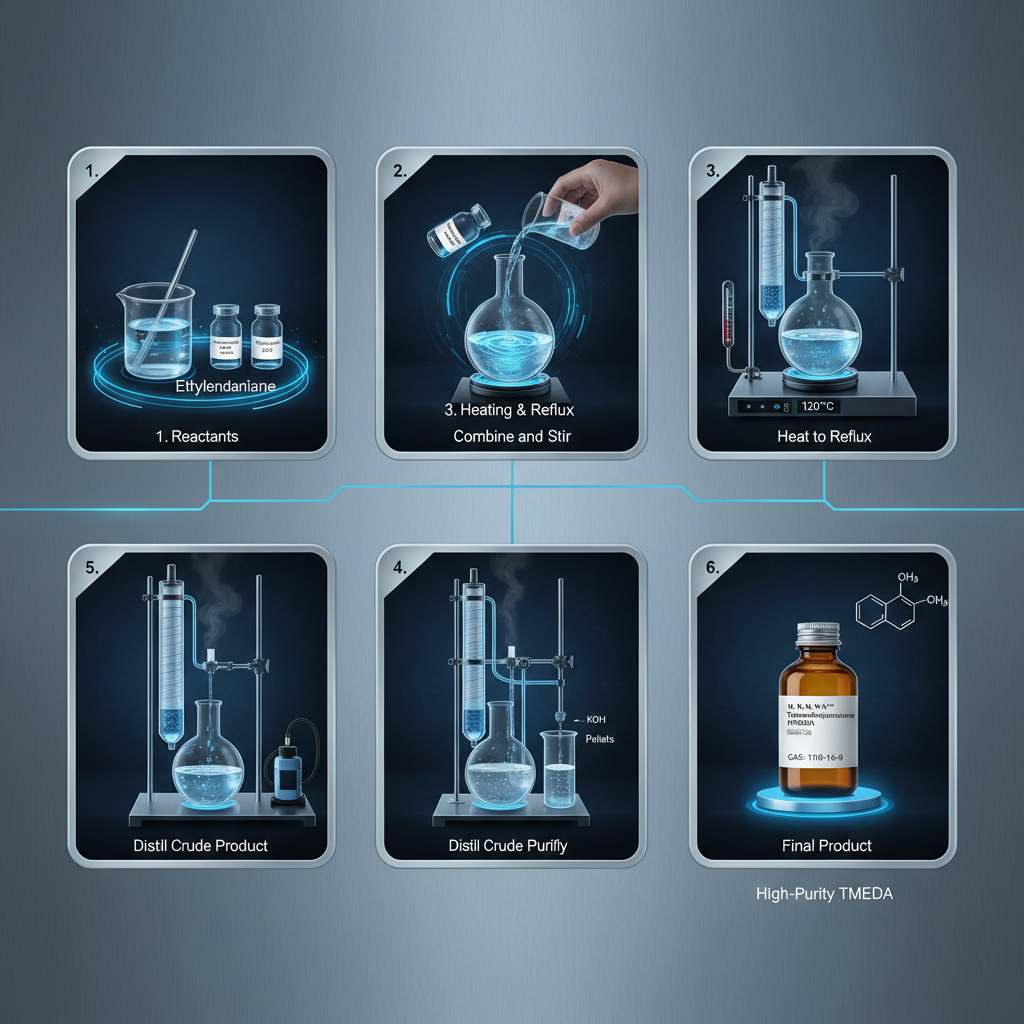
The production of n methylcyclohexanamine typically involves several synthetic routes, each with its advantages and disadvantages. Common methods include the reductive amination of cyclohexanone with methylamine, employing catalysts such as palladium on carbon or nickel. Alternative approaches involve the methylation of cyclohexanamine.
Optimizing these synthetic pathways focuses on maximizing yield, minimizing by-product formation, and reducing environmental impact. Modern production processes often incorporate techniques like continuous flow chemistry to enhance efficiency and safety. Purification typically involves distillation or chromatographic separation to achieve the required purity for specific applications.
The choice of production method depends on factors such as cost, scalability, and the desired purity profile. Ongoing research aims to develop more sustainable and cost-effective synthesis routes for n methylcyclohexanamine, potentially utilizing renewable feedstocks and greener catalysts.
Reactivity and Chemical Characteristics of n methylcyclohexanamine
n methylcyclohexanamine exhibits typical amine reactivity, readily participating in reactions like acylation, alkylation, and salt formation. Its basicity allows it to act as a proton acceptor, making it valuable in catalysis and organic synthesis. The cyclohexyl ring provides a degree of steric bulk, influencing the rate and selectivity of these reactions.
A key aspect of its chemical behavior is its susceptibility to oxidation. Careful handling and storage are required to prevent degradation and maintain its purity. Furthermore, its interaction with acids forms stable salts, which can be useful for purification or controlled release applications.
Understanding the nuances of n methylcyclohexanamine’s reactivity is paramount for chemists working with this compound. Careful consideration of reaction conditions and potential side reactions is crucial for achieving optimal results and ensuring process safety.
Applications of n methylcyclohexanamine in Pharmaceutical Synthesis
n methylcyclohexanamine serves as a vital building block in the synthesis of several pharmaceutical compounds. Its cyclohexylamine moiety is often incorporated into drug candidates to modulate their pharmacological properties, such as bioavailability and receptor binding affinity.
Specifically, it’s utilized as an intermediate in the production of certain antidepressants, analgesics, and anti-Parkinson’s medications. The introduction of the methyl group affects the drug’s metabolic pathways and can enhance its efficacy.
Evaluation of n methylcyclohexanamine Synthetic Routes
Industrial Applications Beyond Pharmaceuticals: n methylcyclohexanamine
Beyond its pharmaceutical role, n methylcyclohexanamine finds applications in agrochemical synthesis, specifically as an intermediate in the production of certain herbicides and insecticides. Its cyclic amine structure contributes to the desired biological activity of these compounds.
It's also utilized as a building block in the synthesis of specialized polymers and resins, enhancing their mechanical properties and chemical resistance. Furthermore, it acts as a precursor for various industrial coatings and adhesives, providing improved adhesion and durability.
Safety Considerations and Handling of n methylcyclohexanamine
n methylcyclohexanamine, like many organic amines, is corrosive and can cause skin and eye irritation. Appropriate personal protective equipment (PPE), including gloves, goggles, and lab coats, should always be worn when handling this compound.
Adequate ventilation is crucial to minimize inhalation exposure. In case of contact, immediate flushing with water is recommended. Proper storage in a cool, dry, and well-ventilated area, away from incompatible materials, is essential to prevent accidental reactions and ensure stability.
Emergency procedures should be in place to address spills or accidental exposure. Detailed safety data sheets (SDS) should be readily available and thoroughly reviewed before working with n methylcyclohexanamine.
Future Trends and Innovations in n methylcyclohexanamine Research
Ongoing research is focused on developing more sustainable and efficient methods for n methylcyclohexanamine production, utilizing renewable feedstocks and minimizing waste generation. Exploring novel catalytic systems to enhance reaction selectivity and reduce energy consumption is also a key area of interest.
The application of n methylcyclohexanamine in advanced materials science, particularly in the development of high-performance polymers and coatings, presents exciting opportunities. Furthermore, research into its potential use in specialized chemical sensors and analytical techniques is gaining momentum.
Integration with green chemistry principles and continuous flow technologies will further drive innovation in this field, contributing to a more environmentally friendly and economically viable production process for n methylcyclohexanamine.
Summary of n methylcyclohexanamine Research and Development Areas
| Research Area |
Current Status |
Potential Impact |
Timeline (Years) |
| Sustainable Synthesis Routes |
Early-stage research; exploring bio-based feedstocks |
Reduced environmental footprint, lower production costs |
5-10 |
| Novel Catalytic Systems |
Development of more selective and efficient catalysts |
Increased yield, reduced by-product formation |
3-7 |
| Advanced Polymer Applications |
Investigation of n methylcyclohexanamine-based polymers |
Enhanced material properties, new industrial applications |
7-12 |
| Chemical Sensor Development |
Exploring n methylcyclohexanamine’s use in sensor technology |
Improved detection methods, real-time monitoring |
4-8 |
| Continuous Flow Chemistry Integration |
Implementing flow reactors for n methylcyclohexanamine production |
Improved safety, scalability, and control |
2-5 |
| Waste Valorization Strategies |
Developing methods to utilize by-products from n methylcyclohexanamine synthesis |
Reduced waste, circular economy approach |
5-10 |
FAQS
n methylcyclohexanamine serves as a crucial building block in synthesizing various pharmaceutical compounds, including antidepressants, analgesics, and medications for Parkinson's disease. Its cyclohexylamine moiety contributes to the desired pharmacological properties of these drugs, influencing bioavailability and receptor binding. It’s key role is often to modify existing drug structures or create novel ones with improved characteristics.
n methylcyclohexanamine is a corrosive substance and can cause skin and eye irritation. Always wear appropriate personal protective equipment (PPE) such as gloves, goggles, and a lab coat. Work in a well-ventilated area to avoid inhalation. In case of contact, immediately flush with water. Consult the Safety Data Sheet (SDS) for detailed safety information and emergency procedures.
Purity is paramount in pharmaceutical synthesis. Impurities can lead to unwanted side reactions, reduce yield, and potentially compromise the safety and efficacy of the final drug product. High-purity n methylcyclohexanamine ensures consistent and predictable reaction outcomes and minimizes the risk of introducing harmful contaminants into the pharmaceutical process.
Sustainable production faces challenges like reliance on petroleum-based feedstocks, generation of waste, and energy consumption. Research is focused on using renewable resources, developing more efficient catalytic systems, and implementing continuous flow chemistry to minimize environmental impact and reduce production costs. Waste valorization strategies are also crucial.
The methyl group introduces steric hindrance, influencing the accessibility of the nitrogen atom and altering the reaction rate and selectivity. It also affects the compound’s basicity and can impact its metabolic pathways when incorporated into pharmaceuticals. These effects must be considered when designing synthetic strategies involving n methylcyclohexanamine.
Future trends include developing sustainable synthesis routes using bio-based feedstocks, exploring advanced polymer applications, integrating continuous flow chemistry for safer and more efficient production, and leveraging n methylcyclohexanamine in novel chemical sensors. Waste valorization and reducing environmental impact are also major focuses.
Conclusion
In conclusion, n methylcyclohexanamine stands as a versatile and essential chemical intermediate with wide-ranging applications in pharmaceuticals, agrochemicals, and materials science. Its unique chemical properties, coupled with ongoing research focused on sustainable production and innovative applications, ensure its continued relevance in the chemical industry. Understanding its reactivity, safety considerations, and emerging trends is crucial for professionals in these fields.
Looking ahead, advancements in green chemistry and continuous manufacturing will pave the way for more efficient and environmentally friendly n methylcyclohexanamine production. Further exploration of its potential in advanced materials and sensor technologies promises exciting opportunities for innovation. For reliable sourcing of high-quality n methylcyclohexanamine, and to explore its diverse applications, visit our website at Sincere Chemicals.