

High-Purity Tetramethyldiethylenetriamine: Efficient Catalyst
Introduction to Advanced Amine Catalysts
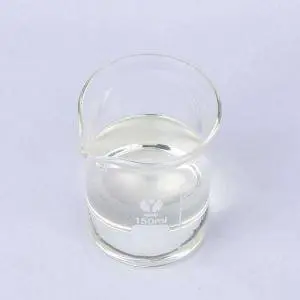
In the rapidly evolving landscape of advanced chemical manufacturing, the role of specialized amine catalysts has become increasingly critical. Among these, Tetramethyldiethylenetriamine stands out as a versatile and highly efficient accelerator in numerous industrial applications. This polyamine compound, often abbreviated as TMDETA, is particularly valued for its strong basicity and excellent catalytic activity, making it indispensable in polyurethane foam production, epoxy resin curing, and various synthetic organic reactions.
Our focus is to provide a comprehensive technical overview for B2B decision-makers and engineers, detailing its inherent properties, diverse application scenarios, and the superior advantages it offers in enhancing process efficiency and product quality. This article will delve into its manufacturing complexities, market trends, and strategic deployment in critical industrial sectors.
Industry Trends and Market Dynamics
The global market for amine catalysts, including Tetramethyldiethylenetriamine, is experiencing robust growth, driven by an escalating demand for high-performance materials across multiple sectors. Key trends include the expansion of the construction industry, particularly in developing economies, which fuels the need for polyurethane insulation and sealants. Furthermore, the automotive sector's continuous innovation in lightweight composites and interiors contributes significantly to catalyst consumption.
Regulatory pressures towards more environmentally friendly and sustainable chemical processes are also shaping the market. Manufacturers are increasingly seeking catalysts that offer improved efficiency, reduced emissions, and longer product lifecycles. This demand has spurred advancements in synthesis methods, aiming for higher purity and consistency in amine catalysts. The global polyurethane market alone is projected to reach over USD 100 billion by 2027, with a CAGR exceeding 6%, directly impacting the demand for critical components like TMDETA.
Technical Specifications and Parameters
Understanding the precise technical parameters of Tetramethyldiethylenetriamine is paramount for its effective integration into industrial processes. As a tertiary amine, its molecular structure provides high basicity and steric hindrance, influencing its catalytic profile. Below is a detailed specification table outlining key physical and chemical properties:
Product Specification Table: Tetramethyldiethylenetriamine (TMDETA)
These specifications are crucial for formulators to ensure optimal performance in their respective applications, adhering to stringent industry standards like ISO and ASTM for quality assurance.
Manufacturing Process Flow of Tetramethyldiethylenetriamine
The synthesis of Tetramethyldiethylenetriamine involves a multi-stage chemical process, demanding precise control over reaction conditions, raw material quality, and purification techniques. Our production methodology prioritizes high yield, purity, and environmental responsibility. The primary feedstocks typically include diethylenetriamine (DETA) and formaldehyde, often with a reducing agent or catalytic hydrogenation step.
Schematic Process Steps:
-
Step 1: Raw Material Preparation & Blending
High-purity diethylenetriamine (DETA) and formaldehyde solution are meticulously weighed and pre-mixed in a controlled environment. Auxiliary reducing agents or catalysts, such as nickel-based catalysts for hydrogenation, are also prepared. All materials undergo stringent quality checks (e.g., GC-MS for DETA purity, titration for formaldehyde concentration) to meet ISO 9001 standards.
-
Step 2: Methylation Reaction (Reductive Amination)
The blended raw materials are introduced into a high-pressure, temperature-controlled reactor. The methylation process, typically reductive amination, involves the reaction of DETA with formaldehyde, followed by hydrogenation (e.g., using H2 gas over a proprietary catalyst). Reaction parameters such as temperature (e.g., 80-150°C), pressure (e.g., 5-20 bar), and residence time are precisely managed via advanced CNC-controlled systems to optimize conversion and selectivity, minimizing byproduct formation.
-
Step 3: Post-Reaction Separation & Filtration
Upon completion of the reaction, the crude product mixture undergoes initial separation to remove spent catalyst and unreacted materials. This often involves filtration processes using advanced membrane technology or centrifugation, ensuring a clean stream for subsequent purification.
-
Step 4: Distillation & Purification
The separated product stream is then subjected to multi-stage vacuum distillation. This critical step purifies the crude TMDETA, separating it from heavier byproducts and lighter impurities. Fractional distillation columns, optimized for vapor-liquid equilibrium, ensure the final product meets specified purity levels (typically ≥99.0%). Continuous in-line analysis (e.g., refractive index, density) is employed, complemented by batch GC analysis, adhering to ANSI/ASME B31.3 for process piping and equipment design.
-
Step 5: Quality Control & Packaging
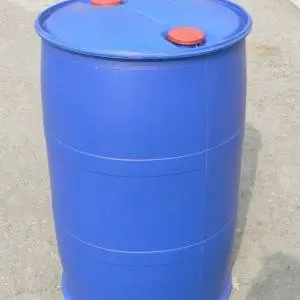
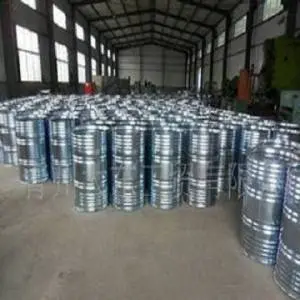
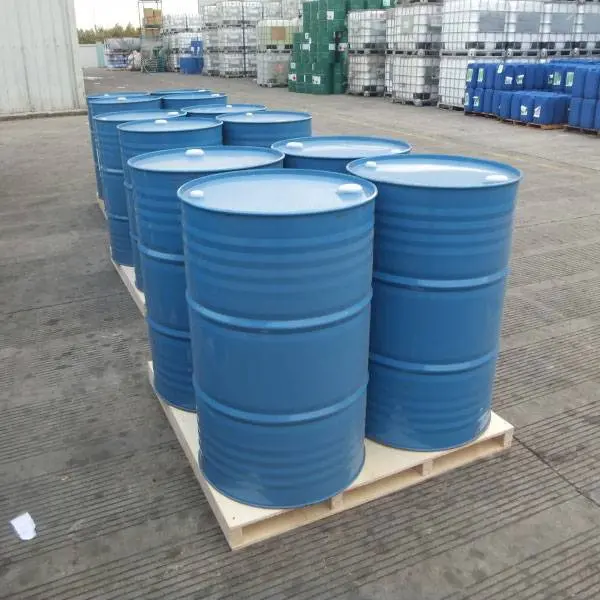
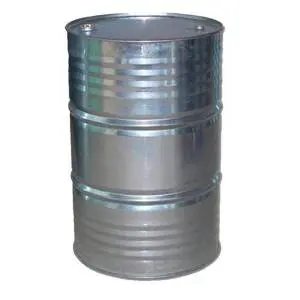
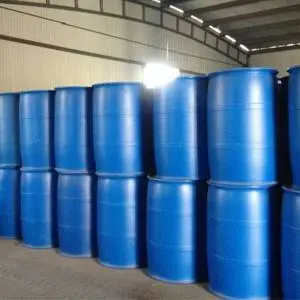
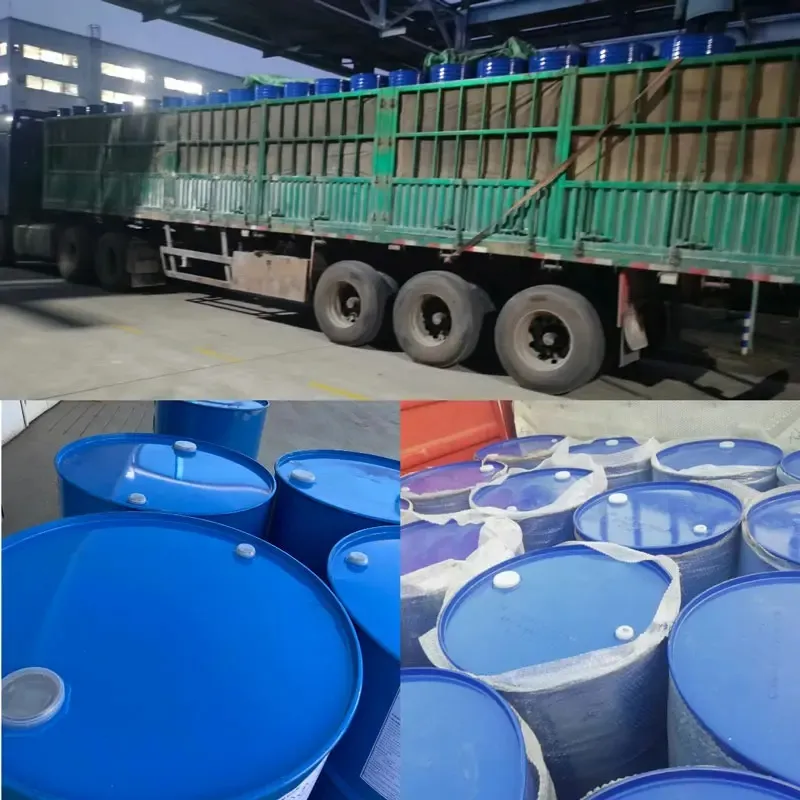
The purified Tetramethyldiethylenetriamine undergoes final rigorous quality control checks, including GC for purity, Karl Fischer for water content, and visual inspection. Upon approval, it is carefully packaged in appropriate container111s (e.g., steel drums, IBC tanks) under nitrogen blanketing to prevent oxidation, ensuring a typical service life stability of 24 months when stored correctly. Packaging adheres to UN dangerous goods regulations.
This process is highly automated, minimizing human error and ensuring batch-to-batch consistency. Our facilities are designed to minimize waste and energy consumption, aligning with modern sustainability practices.
Application Scenarios and Target Industries
The robust catalytic properties of Tetramethyldiethylenetriamine make it an invaluable component across diverse industrial sectors. Its ability to accelerate polymerization and curing reactions makes it indispensable in advanced material synthesis.
- Polyurethane Foam Production: TMDETA serves as a key co-catalyst in the manufacture of flexible and rigid polyurethane foams. It provides a balanced catalytic action, promoting both the gelling (polymerization) and blowing (gas evolution) reactions, leading to improved foam cell structure, reduced demoulding times, and enhanced physical properties. This contributes directly to energy saving in manufacturing by speeding up cycle times.
- Epoxy Resin Curing: In epoxy systems, Tetramethyldiethylenetriamine acts as an effective accelerator for amine-based hardeners. It significantly reduces curing times and allows for lower temperature curing, which is critical for large composite structures and coatings. This enhances corrosion resistance in final products by ensuring a more complete and robust cross-linking.
- Fuel and Lubricant Additives: The nitrogenous nature of TMDETA makes it a precursor in synthesizing certain fuel additives (e.g., dispersants) and lubricant components, improving performance in demanding conditions.
- Organic Synthesis: It finds use as a strong, non-nucleophilic base and ligand in various organic synthesis reactions, particularly in pharmaceutical intermediates and agrochemicals.
Target Industries:
- Construction & Infrastructure: For insulation, sealants, coatings.
- Automotive: For seating, interior components, lightweight composites.
- Aerospace: For high-performance composites and adhesives.
- Textiles: As a dyeing auxiliary or curing agent for textile finishes.
- Chemical Manufacturing: As a raw material or catalyst in various chemical syntheses.
Technical Advantages and Performance Benefits
Our proprietary manufacturing process for Tetramethyldiethylenetriamine imparts several distinct technical advantages, leading to superior performance in end-use applications:
- Optimized Catalytic Activity: The high purity (≥99.0%) and precise molecular structure of our TMDETA ensure consistent and predictable catalytic performance, leading to uniform reaction kinetics and reliable product outcomes.
- Enhanced Process Efficiency: By significantly accelerating polymerization and curing reactions, our product enables faster cycle times, increased throughput, and reduced energy consumption in manufacturing processes. This directly translates to cost savings and improved operational efficiency for our clients.
- Improved Material Properties: In polyurethane foams, TMDETA contributes to fine, uniform cell structures, resulting in better insulation properties and mechanical strength. For epoxy systems, it facilitates a more complete cure, leading to superior adhesion, hardness, and chemical resistance, crucial for applications demanding corrosion resistance.
- Low Volatility and Odor: Compared to some alternative amine catalysts, our Tetramethyldiethylenetriamine exhibits lower volatility, contributing to a safer working environment and reduced emissions, aligning with increasingly stringent environmental regulations.
- Excellent Storage Stability: Rigorous quality control and optimized packaging protocols ensure long-term stability, guaranteeing product integrity and performance over an extended shelf life.
These advantages are not merely theoretical; they are validated through extensive internal testing, often exceeding ANSI and ISO standards, and corroborated by consistent positive feedback from our global clientele.
Vendor Comparison and Competitive Analysis
Choosing the right supplier for critical chemical components like Tetramethyldiethylenetriamine is a strategic decision impacting product quality, supply chain reliability, and overall cost-efficiency. Our commitment to excellence sets us apart in the market.
Vendor Comparison Table: Tetramethyldiethylenetriamine (TMDETA) Suppliers
Our commitment to stringent quality control, continuous R&D, and responsive customer support ensures that our clients receive not just a product, but a comprehensive solution designed for optimal performance and peace of mind.
Customized Solutions and Partnerships
Recognizing that industrial applications often require nuanced solutions, we offer extensive customization options for our Tetramethyldiethylenetriamine. Our technical team works closely with clients to tailor product specifications, packaging, and logistical arrangements to meet unique operational demands.
- Formulation Adjustments: While TMDETA is a specific chemical compound, minor adjustments to its purity grade or handling additives can be made for highly specialized applications, optimizing performance within unique chemical systems.
- Specialized Packaging: From small laboratory quantities to large bulk shipments (e.g., ISO tanks), we provide flexible packaging solutions to integrate seamlessly with client production lines, minimizing transfer risks and enhancing safety.
- Supply Chain Integration: We can establish dedicated supply chain channels, including buffer stocking and just-in-time (JIT) delivery, to ensure uninterrupted material flow for critical production cycles.
- Technical Collaboration: Our R&D department is open to collaborative projects, offering expertise in amine chemistry to help clients develop new formulations or troubleshoot existing processes involving TMDETA.
Through these customized solutions and a partnership-driven approach, we aim to be more than just a supplier; we aspire to be a strategic enabler for our clients' innovation and operational success.
Application Case Studies
Real-world application demonstrates the tangible benefits of using high-quality Tetramethyldiethylenetriamine:
Case Study 1: Enhanced Automotive Seating Foam Production
Client: A leading global automotive seating manufacturer.
Challenge: The client faced challenges with slow demoulding times and inconsistent cell structure in their flexible polyurethane foam production for car seats, leading to bottlenecks and increased scrap rates.
Solution: We collaborated with their R&D team to integrate our high-purity Tetramethyldiethylenetriamine into their catalyst package. Through precise formulation adjustments, TMDETA's balanced catalytic activity was leveraged.
Results:
- 20% reduction in demoulding time, significantly increasing production throughput.
- Improved foam consistency and cell structure, leading to superior comfort and durability, and a 15% reduction in reject rates.
- 5% decrease in overall catalyst usage due to the higher efficiency of our TMDETA.
Case Study 2: Accelerating Epoxy Coatings for Industrial Pipes
Client: A specialized coating company providing anti-corrosion solutions for petrochemical pipelines.
Challenge: The client's existing epoxy coating system required extended curing times at ambient temperatures, impacting project timelines and increasing labor costs, especially for large-scale pipe sections.
Solution: We recommended incorporating our TMDETA as a co-accelerator in their two-part epoxy system. Its robust catalytic effect was optimized to speed up the amine-epoxy reaction without compromising the final film properties.
Results:
- 30% reduction in tack-free time and significant acceleration of full cure, allowing for faster handling and deployment of coated pipes.
- Maintained or improved adhesion and corrosion resistance of the epoxy coating, meeting critical industry standards for petrochemical infrastructure.
- Enhanced process flexibility, enabling successful application in a wider range of ambient temperature conditions.
Frequently Asked Questions (FAQ)
Q1: What is the primary function of Tetramethyldiethylenetriamine in polyurethane formulations?
A1: Tetramethyldiethylenetriamine (TMDETA) primarily acts as a co-catalyst in polyurethane systems. It promotes both the gelling (urethane reaction) and blowing (urea reaction) processes, ensuring a balanced cure profile, better cell structure, and faster demoulding times.
Q2: Is TMDETA compatible with all types of epoxy resins?
A2: Tetramethyldiethylenetriamine is generally compatible with common epoxy resin systems that utilize amine-based hardeners. It functions as an accelerator for the curing reaction. However, specific formulations should always be tested to confirm compatibility and desired cure kinetics.
Q3: What are the typical storage conditions and shelf life for your Tetramethyldiethylenetriamine?
A3: Our TMDETA should be stored in tightly sealed container111s in a cool, dry, well-ventilated area, away from direct sunlight and incompatible materials. Under these conditions, it maintains a typical shelf life of 24 months from the date of manufacture.
Q4: Can you provide technical data sheets (TDS) and safety data sheets (SDS)?
A4: Yes, comprehensive Technical Data Sheets (TDS) and Safety Data Sheets (SDS) are available upon request for Tetramethyldiethylenetriamine. These documents provide detailed product information, handling instructions, and safety precautions in compliance with global regulatory standards.
Logistics, Warranty, and Support
Lead Time & Fulfillment
We maintain strategic inventory levels of Tetramethyldiethylenetriamine to ensure prompt delivery. Standard lead times for most regions are typically 7-14 business days from order confirmation, depending on volume and destination. For urgent requirements or large-volume contracts, we offer expedited shipping options and can establish bespoke fulfillment schedules.
Warranty Commitments
Our Tetramethyldiethylenetriamine is guaranteed to meet or exceed the published technical specifications at the time of delivery. We stand behind the quality of our products with a standard warranty against manufacturing defects and non-conformance to agreed specifications. Full warranty details are provided with each purchase agreement.
Customer Support
Our dedicated customer support team and experienced technical chemists are available to assist with product inquiries, application guidance, and troubleshooting. We offer comprehensive after-sales support, including expert advice on handling, storage, and integration of TMDETA into your specific processes. Reach out to us via phone, email, or our online portal for prompt assistance.
References
- Polyurethane Handbook: Chemistry, Raw Materials, Processing, Application, Properties. G. Oertel (Ed.). Hanser Publishers, 1994.
- The Chemistry of Amines and Quaternary Ammonium Salts. S. Patai (Ed.). John Wiley & Sons, 1971.
- American Society for Testing and Materials (ASTM) Standards. Various relevant chemical testing methods.
- International Organization for Standardization (ISO) Standards. ISO 9001:2015 Quality Management Systems.
- Global Polyurethane Market Size, Share & Trends Analysis Report. Grand View Research, 2020-2027.
Post time: Sep . 22, 2025 14:55