

High-Purity Triethylenediamine (TEDA) Catalyst for PU Foams
Understanding Triethylenediamine (TEDA) in B2B Applications
In the intricate world of chemical synthesis and polymer manufacturing, certain compounds stand out for their indispensable roles. Among these, Triethylenediamine (TEDA), also known as 1,4-Diazabicyclo[2.2.2]octane (DABCO), represents a cornerstone catalyst, particularly vital for the polyurethane industry. This article delves into the critical aspects of TEDA, covering its chemical makeup, manufacturing intricacies, diverse application spectrum, and the significant technical advantages it offers. Designed for B2B decision-makers, engineers, and procurement specialists, this comprehensive guide provides insights into industry trends, technical specifications, vendor considerations, and real-world case studies, ensuring a thorough understanding of this essential chemical component.
Industry Trends and Market Dynamics
The global market for polyurethanes, driven by surging demand in construction, automotive, furniture, and electronics sectors, directly influences the trajectory of catalysts like Triethylenediamine (TEDA). Projections indicate sustained growth in polyurethane production, with the global market size estimated to reach over USD 90 billion by 2027, expanding at a CAGR of approximately 6-7%. This growth is largely fueled by the material's versatility, lightweight properties, and excellent insulation capabilities.
Key trends impacting TEDA demand include the increasing adoption of bio-based polyols, the development of low-VOC (Volatile Organic Compound) and halogen-free formulations, and a growing emphasis on energy efficiency in insulation applications. As manufacturers strive for faster cure times, improved foam characteristics, and enhanced processing efficiency, the demand for highly active and selective catalysts like Triethylenediamine (TEDA) continues to solidify. Furthermore, the expansion of cold chain logistics and advancements in automotive lightweighting are opening new avenues for TEDA-catalyzed polyurethane applications.
Technical Specifications and Physicochemical Properties
Core Chemical Structure and Function
Triethylenediamine (TEDA), with the chemical formula C₆H₁₂N₂, is a bicyclic tertiary amine characterized by its unique caged structure. This highly symmetric and sterically unhindered arrangement of its two nitrogen atoms provides exceptional catalytic activity. The lone pair electrons on each nitrogen atom are readily available, making it a powerful nucleophile and base, yet its structure prevents steric hindrance from significantly impeding its catalytic action. This results in superior catalytic efficiency, particularly for the urethane (gelling) reaction between isocyanates and polyols, and to a lesser extent, the urea (blowing) reaction between isocyanates and water. Its high pKa value (around 8.8) is indicative of its strong basicity, which is crucial for proton abstraction in the catalytic cycle.
Key Performance Parameters
Understanding the precise technical specifications of Triethylenediamine (TEDA) is paramount for its effective integration into industrial processes. The following table outlines typical parameters for high-purity industrial-grade TEDA, conforming to stringent quality control standards.
Figure 1: Illustration of a modern chemical manufacturing facility, representative of where TEDA is produced.
Manufacturing Process Flow
Raw Materials and Synthesis Route
The industrial synthesis of Triethylenediamine (TEDA) typically involves the cyclization of various diamines or their derivatives under specific catalytic conditions. A common route utilizes raw materials such as ethylenediamine, piperazine, or ethanolamine, which undergo reaction at elevated temperatures and pressures in the presence of proprietary catalysts. The selection of raw materials and catalysts is critical to achieving high yields, desired purity, and minimizing by-product formation. The manufacturing process is designed for continuous operation, ensuring consistent quality and cost-effectiveness for large-scale production.
Key Process Steps (Schematic Representation)
1. Reaction & Cyclization
Feedstock (e.g., diamines) are introduced into a reactor with a specialized catalyst. Under controlled temperature and pressure (e.g., 250-400°C, 1-10 atm), cyclization occurs, forming the TEDA molecule.
Quality Control: Temperature & pressure monitoring, catalyst activity.
2. Separation & Purification
The crude reaction mixture is fed into a distillation column. TEDA, with its distinct boiling point, is separated from unreacted raw materials, by-products, and the catalyst through fractional distillation.
Quality Control: Distillation column efficiency, product purity via GC.
3. Crystallization & Drying
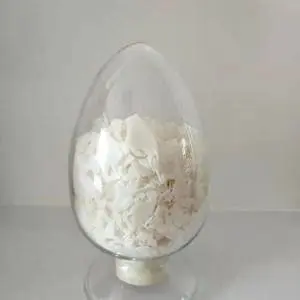
The purified TEDA stream is cooled to induce crystallization. The resulting solid crystals are then separated from the mother liquor and thoroughly dried to achieve the desired moisture content and physical form (flakes or powder).
Quality Control: Crystal size distribution, moisture content (Karl Fischer).
4. Packaging & Quality Assurance
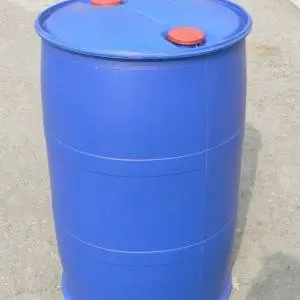
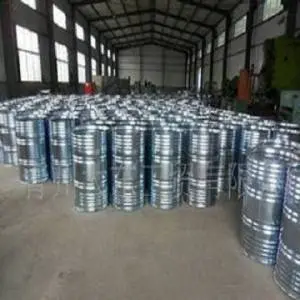
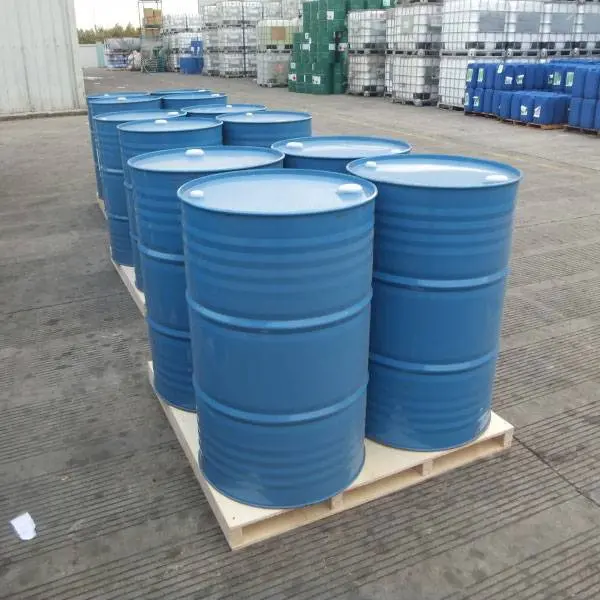
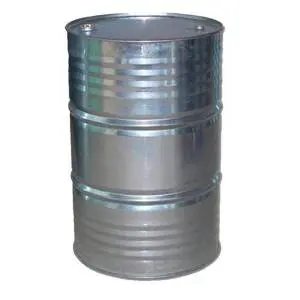
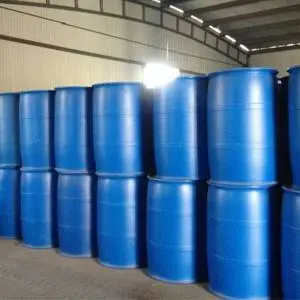
The final product is packaged into drums, super sacks, or other specified container111s under controlled atmospheric conditions. Comprehensive final product testing ensures adherence to all specifications.
Testing Standards: ISO 9001, ASTM, internal specifications for purity, physical properties.
The stringent adherence to international testing standards such as ISO and ASTM throughout the manufacturing process ensures product consistency and reliability. The typical service life of Triethylenediamine (TEDA), when stored correctly in its solid form, can extend several years without significant degradation, maintaining its catalytic activity. Target industries for TEDA production include petrochemicals, specialty chemicals, and advanced materials manufacturing, where consistent supply of high-purity catalysts is critical.
Diverse Application Scenarios
The versatility of Triethylenediamine (TEDA) as a catalyst extends across a myriad of applications, predominantly within the polyurethane industry, but also in specialized chemical processes. Its balanced catalytic activity, promoting both gelling and blowing reactions, makes it a preferred choice for achieving optimal foam structures and cure profiles.
Polyurethane Industry Applications
- Flexible Foams: Widely used in furniture, bedding, and automotive seating, TEDA ensures balanced gelling and blowing, leading to open-cell structures with desirable softness, resilience, and excellent load-bearing properties. It contributes to energy saving by enabling faster demold times.
- Rigid Foams: Essential for insulation in construction (panels, spray foams), refrigeration, and pipe insulation. TEDA helps achieve rapid cure and excellent adhesion, resulting in high compressive strength and superior thermal insulation (energy saving) properties.
- Coatings, Adhesives, Sealants, and Elastomers (CASE): In these high-performance applications, TEDA provides controlled reaction rates, promoting cross-linking and achieving superior physical properties such as hardness, abrasion resistance, and adhesion. Its controlled activity can enhance the corrosion resistance of coatings by ensuring complete polymerization.
- Microcellular Foams and Integral Skin Foams: Used in steering wheels, armrests, and shoe soles, TEDA contributes to uniform cell structure and controlled density, achieving excellent tactile properties and durability.
Other Niche Applications
- Corrosion Inhibitors: Its basicity and complexing ability allow TEDA to be incorporated into certain formulations to mitigate corrosion, particularly in closed-loop systems.
- Pharmaceutical Intermediates: As a strong organic base, TEDA serves as a reagent or catalyst in the synthesis of various pharmaceutical compounds.
- Polymerization Catalyst: Beyond polyurethanes, it can act as a catalyst in other polymerization reactions requiring a strong tertiary amine.
Unparalleled Technical Advantages
The widespread adoption of Triethylenediamine (TEDA) in demanding industrial applications is a testament to its distinct technical advantages. These attributes translate directly into enhanced product performance, improved manufacturing efficiency, and economic benefits for our clients.
- High Catalytic Activity: TEDA exhibits exceptional catalytic efficiency, particularly for the isocyanate-hydroxyl (gelling) reaction. Its unique bicyclic structure provides optimal steric conditions for accelerating reaction rates, leading to faster demold times and increased production throughput.
- Balanced Reactivity: While strongly promoting the gelling reaction, TEDA also contributes to the blowing reaction, allowing formulators to achieve a balanced cure profile critical for preventing splits, achieving desired cell structure, and ensuring dimensional stability in polyurethane foams.
- Broad Compatibility: It is highly compatible with a wide range of polyols, isocyanates, and other additives commonly used in polyurethane systems, offering formulators flexibility in product development.
- Excellent Thermal Stability: TEDA maintains its chemical integrity and catalytic efficacy under the elevated temperatures often encountered during exothermic polymerization reactions, ensuring consistent performance.
- Low Odor Profile: Certain grades of TEDA, especially in its pure solid form, contribute to lower odor in finished products compared to some other amine catalysts, a critical factor for indoor applications and consumer products.
- Cost-Effectiveness: Given its high efficiency, relatively small loading levels of TEDA are often sufficient to achieve desired reaction kinetics, offering an economical solution compared to less active alternatives.
- Versatility in Formulations: Available in solid or various liquid solution forms, TEDA can be easily incorporated into diverse polyurethane systems and processing equipment, from large-scale continuous lines to batch processes.
Strategic Vendor Comparison and Selection Criteria
Selecting the right supplier for Triethylenediamine (TEDA) is as crucial as understanding its chemical properties. A reliable vendor ensures consistent product quality, robust supply chain, and responsive technical support. Key factors for evaluation include:
- Product Purity and Consistency: Critical for reproducible results in sensitive chemical formulations.
- Supply Chain Reliability: Global logistics capabilities, inventory management, and contingency planning.
- Technical Support: Expertise in application development and troubleshooting.
- Regulatory Compliance: Adherence to international chemical regulations (e.g., REACH, TSCA).
- Customization Options: Ability to provide specific grades, concentrations, or packaging.
- Cost-Effectiveness: Competitive pricing combined with value-added services.
TEDA Product Grade Comparison
TEDA is available in various forms to suit different application needs. The table below compares common product grades, highlighting their key features and typical applications.
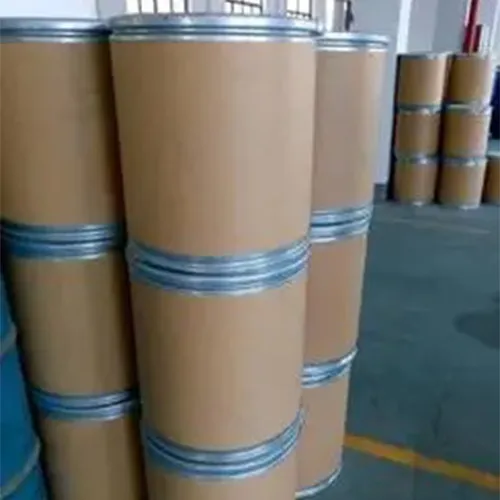
Figure 2: Advanced laboratory equipment used for quality control and R&D of chemical catalysts.
Tailored Customized Solutions
Recognizing that no two industrial applications are identical, leading suppliers offer customized solutions involving Triethylenediamine (TEDA). This bespoke approach ensures optimal performance and efficiency for specific client requirements. Customization can encompass:
- Purity Levels: Adjusting the purity of TEDA to meet ultra-high requirements for sensitive applications or offering standard grades for more general uses.
- Solvent Systems: Developing specific liquid TEDA solutions in various carriers (e.g., DPG, DEG, water) to ensure compatibility with client's existing chemical systems and processing equipment.
- Catalyst Blends: Formulating synergistic blends of TEDA with co-catalysts (e.g., metal salts, other amine catalysts) to achieve precise reaction profiles, such as enhanced blowing, reduced VOCs, or delayed action.
- Packaging and Delivery: Providing TEDA in specific packaging sizes (e.g., small drums, bulk container111s, isotanks) or under specialized delivery conditions to streamline logistics and ensure safe handling.
- Technical Collaboration: Engaging in joint development projects to optimize TEDA usage in novel formulations or to overcome specific processing challenges.
These tailored solutions are backed by extensive R&D capabilities and deep application knowledge, enabling clients to achieve performance targets while optimizing costs and operational efficiency.
Real-World Application Case Studies and Client Success
Case Study 1: Enhancing High-Resilience Flexible Foam Production
A leading manufacturer of high-resilience flexible foams for automotive seating faced challenges with inconsistent cure profiles and prolonged demold times, impacting their production efficiency. By transitioning to a high-purity solid Triethylenediamine (TEDA) from our portfolio, they achieved a more balanced gelling and blowing reaction. This resulted in a 15% reduction in demold time, a 7% improvement in foam tensile strength, and significantly more consistent cell structure, leading to reduced waste and a higher quality end product. The client reported a substantial increase in throughput and customer satisfaction due to improved foam durability and feel.
Case Study 2: Optimizing Rigid Insulation Panel Manufacturing
A major construction materials company producing polyisocyanurate (PIR) insulation panels sought to improve the thermal performance and processing speed of their rigid foam systems. Our technical team collaborated with them to integrate a customized liquid TEDA blend, optimized for their specific polyol system and equipment. This solution provided a faster initiation of the reaction, ensuring complete polymerization and excellent adhesion to facers. The outcome was a 10% reduction in foam density while maintaining compressive strength, leading to lighter panels with superior insulation (lower k-factor). The improved processing speed also allowed for a 20% increase in linear production rate, directly contributing to energy saving in the end-use application and cost savings in manufacturing.
These instances underscore the tangible benefits derived from employing high-quality Triethylenediamine (TEDA) and leveraging expert technical support.
Quality Assurance, Certifications, and Industry Compliance
Our commitment to delivering exceptional quality Triethylenediamine (TEDA) is underpinned by rigorous quality assurance protocols and adherence to global industry standards. Our manufacturing facilities are certified to ISO 9001:2015 for quality management systems, ensuring consistent production processes and product integrity from raw material sourcing to final packaging.
- Certifications: ISO 9001:2015, ensuring consistent quality and adherence to internationally recognized management standards.
- Regulatory Compliance: All TEDA products comply with major global chemical regulations including EU REACH (Registration, Evaluation, Authorisation and Restriction of Chemicals), US TSCA (Toxic Substances Control Act), and other relevant national chemical inventories. Safety Data Sheets (SDS) are provided for all products.
- Authoritative Testing: Each batch undergoes comprehensive testing using validated analytical methods (e.g., Gas Chromatography for purity, Karl Fischer for moisture) to ensure it meets or exceeds published specifications. Our internal quality control data is routinely verified against external laboratory audits.
- Partnership & Experience: With over two decades of dedicated service in the specialty chemicals sector, we have built trusted partnerships with leading polyurethane manufacturers worldwide, a testament to our reliability and product quality.
Commitment to Trust: FAQ, Lead Time, Warranty, and Support
Frequently Asked Questions (FAQ)
-
Q1: What is the typical shelf life of Triethylenediamine (TEDA)?
A: Solid Triethylenediamine (TEDA) typically has a shelf life of 24 months when stored in original, unopened container111s in a cool, dry place away from direct sunlight and moisture. Liquid solutions may have a slightly shorter shelf life, typically 12-18 months, depending on the solvent system.
-
Q2: Is TEDA available in liquid form, and how does it differ from solid?
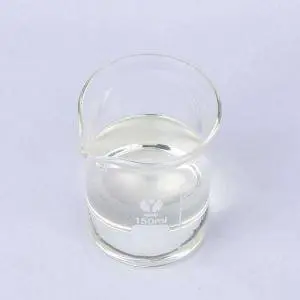
A: Yes, TEDA is commonly available as a liquid solution (e.g., TEDA 33 in DPG). The liquid form offers easier handling, metering, and blending into polyol premixes, particularly for continuous processes. Solid TEDA offers the highest active ingredient concentration and is preferred where solvent introduction is undesirable or for specific batch processes.
-
Q3: What safety precautions should be taken when handling TEDA?
A: TEDA should be handled in well-ventilated areas with appropriate personal protective equipment (PPE), including gloves, safety glasses, and chemical-resistant clothing. Avoid inhalation of dust/vapors and direct skin contact. Refer to the product's Safety Data Sheet (SDS) for detailed handling, storage, and emergency procedures.
-
Q4: How does TEDA compare to other amine catalysts in polyurethane applications?
A: TEDA is recognized for its unique ability to strongly catalyze the gelling reaction with minimal impact on the blowing reaction, often providing a more balanced cure. While other amine catalysts may favor blowing (e.g., bis(2-dimethylaminoethyl)ether) or gelling with higher blowing impact, TEDA offers a highly effective and versatile baseline for many systems, often blended with other catalysts to fine-tune reaction profiles.
Lead Time and Fulfillment
We maintain robust inventory levels and efficient logistics networks to ensure timely delivery of Triethylenediamine (TEDA) worldwide. Standard lead times typically range from 2-4 weeks for most regions, with expedited options available for urgent requirements. Our global distribution channels and strategic warehousing ensure supply chain resilience and minimize disruptions for our clients.
Warranty and Product Support
All our Triethylenediamine (TEDA) products are warranted to meet the published specifications at the time of delivery. In the rare event of a product discrepancy, our dedicated customer service and technical support teams are available to provide immediate assistance, investigation, and resolution. We stand behind the quality and performance of our products and are committed to ensuring client satisfaction.
Customer Service and Technical Assistance
Our team of experienced technical specialists and customer service representatives is available to provide comprehensive support, from product selection and application development to troubleshooting and regulatory guidance. We offer detailed product documentation, safety data sheets, and application guides to facilitate optimal use of our TEDA products. Reach out to us via our official website for consultation or support.
Conclusion
Triethylenediamine (TEDA) remains a pivotal catalyst in the chemical industry, especially for the production of high-performance polyurethanes. Its exceptional catalytic activity, balanced reactivity, and versatility make it an indispensable component for manufacturers aiming for superior product quality, enhanced processing efficiency, and cost-effectiveness. As industry demands evolve towards more sustainable and high-performance materials, TEDA's role continues to be refined and expanded. Partnering with a reputable supplier that offers high-purity TEDA, customized solutions, and robust technical support is key to unlocking the full potential of this powerful chemical.
References
- Oertel, G. (1993). Polyurethane Handbook: Chemistry, Raw Materials, Processing, Application, Properties. Hanser Publishers.
- Rand, L., & Frisch, K. C. (1971). Advances in Urethane Science and Technology. Technomic Publishing Co., Inc.
- ASTM International Standards for Polyurethane Raw Materials and Products. (Accessed from astm.org)
- European Chemicals Agency (ECHA) - Information on 1,4-Diazabicyclo[2.2.2]octane (TEDA). (Accessed from echa.europa.eu)
- Global Polyurethane Market Size, Share & Trends Analysis Report. (Data from reputable market research firms, e.g., Grand View Research, MarketsandMarkets).
Post time: Sep . 22, 2025 12:10