

Need Hexamethylphosphoric Triamide 99.5% in stock today?
Inside the polar-aprotic workhorse: a pragmatic look at Hexamethylphosphoric Triamide (HMPT)
In labs where reaction rates matter and ion pairing gets in the way, Hexamethylphosphoric Triamide keeps showing up in the conversation. It’s powerful, yes—and in some regions tightly controlled for health reasons. The industry mood? Use it thoughtfully, in closed systems, and only when its unique solvation punch really moves the needle. That’s the honest, shop-floor view I keep hearing from process chemists.
What it is, and why it still matters
Also known as HMPT (CAS 680-31-9; MF C6H18N3OP; MW 179.20), Hexamethylphosphoric Triamide is a high-donor-number, polar aprotic solvent. In practical terms: it stabilizes cations, supercharges certain nucleophilic substitutions, and nudges those stubborn directed lithiation steps to the finish line. Many customers say they get a clean rate boost—provided the water spec is tight.
Typical product specifications
| Parameter | Spec (standard grade) |
|---|---|
| Synonyms | HMPT, HMPA |
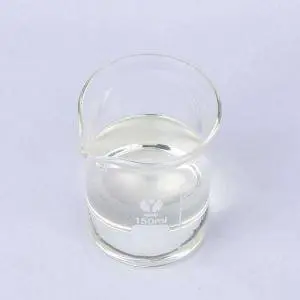
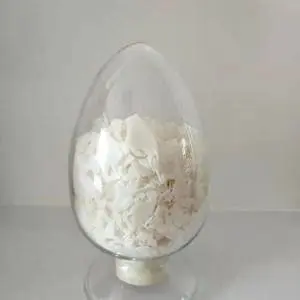
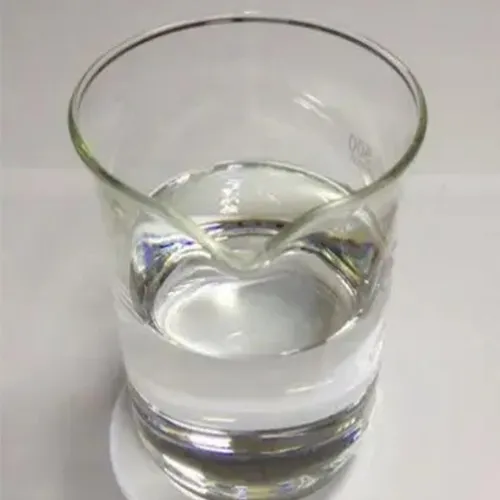
| Appearance | Clear, colorless to pale yellow liquid |
| Purity (GC) | ≥ 99.0% |
| Water (KF, ASTM E203) | ≤ 0.20% (≤ 2000 ppm); anhydrous options ≈ 200–500 ppm on request |
| Color (APHA, ASTM D1209) | ≤ 20 |
| Density (20 °C, ASTM D4052) | ≈ 1.03 g/cm³ |
| Boiling point | ≈ 233–235 °C |
| Flash point (ASTM D93) | ≈ 108 °C |
| Shelf life | 12 months unopened, dry nitrogen blanket recommended |
Process flow and quality controls
Industrial production generally involves controlled amination of a phosphoryl chloride precursor with dimethylamine, followed by neutralization, phase separation, vacuum distillation, polishing filtration, and final QC release. Key tests: GC assay/impurities, Karl Fischer moisture (ASTM E203), color (D1209), density (D4052), and closed-cup flash (D93). Lots ship with SDS (GHS), CoA, and—when required—toxicology dossiers. Origin: Jinling Mansions No.106-1 East Yuhua Rd., Shijiazhuang, Hebei, China.
Applications and industry trends
- Pharma/process chemistry: directed lithiation, SN2 accelerations, low-temperature organometallic work.
- Polymer R&D: anionic polymerizations under rigorously dry conditions.
- Battery/electrolyte research: niche solvating agent trials (careful containment, pilot-only).
Trend-wise, many plants are shifting to alternatives (e.g., DMPU, NMP variants) for EHS reasons. Still, in small but vital windows, Hexamethylphosphoric Triamide delivers best-in-class donor strength. The compromise: closed handling, strict exposure controls, and documented authorization where required.
Vendor comparison (real-world buyers care about this)
| Vendor | Purity / H2O | Compliance | Lead time | Customization |
|---|---|---|---|---|
| Sincere Chemicals | ≥99.0% / ≤0.20% (≤0.05% optional) | ISO 9001; SDS (GHS); regional transport docs | ≈ 2–4 weeks | Water spec, drum/IBC, nitrogen blanketing |
| Vendor A (generic) | ≥98.5% / ≤0.30% | Basic QA; SDS | ≈ 4–6 weeks | Limited |
| Vendor B (regional) | ≥99.0% / ≤0.20% | ISO 9001 | ≈ 3–5 weeks | Packaging only |
Case notes from the field
A mid-size pharma client swapped to an anhydrous cut (≤300 ppm H2O). Their directed lithiation of a heteroaryl intermediate improved in yield by 7–9% across three batches (n=3), with cleaner quench profiles. They told me, “honestly, the dryness did the heavy lifting.” Not magic—just disciplined specs.
Customization and packaging
- Grades: standard and low-moisture selections.
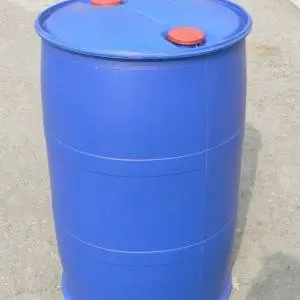
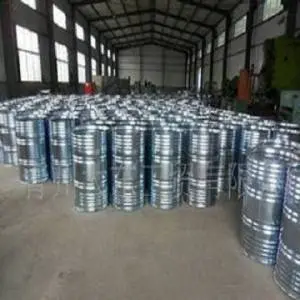
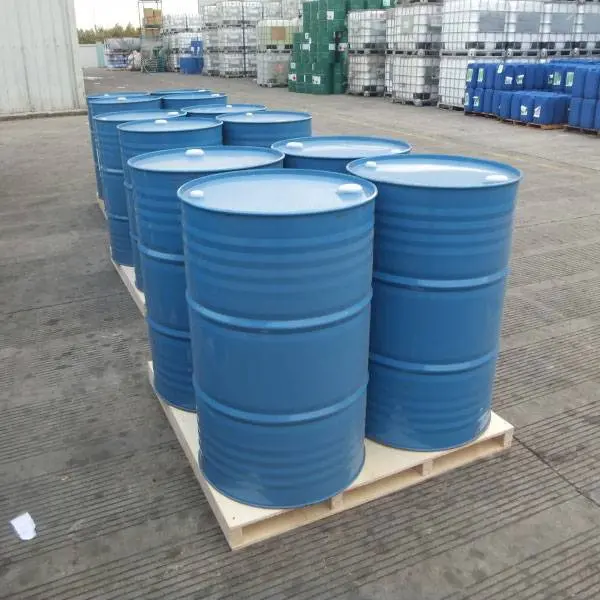
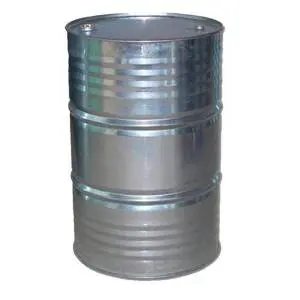
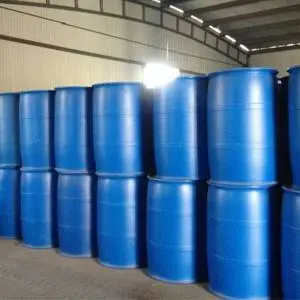
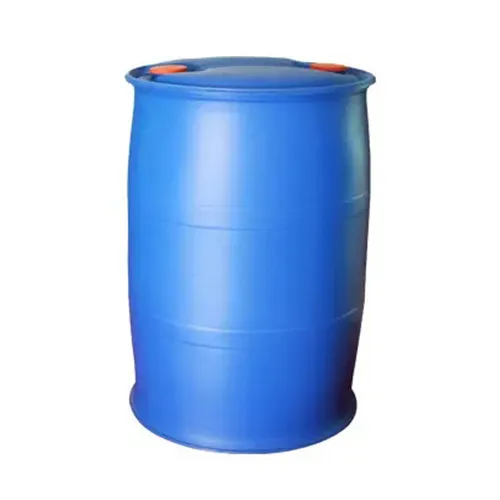
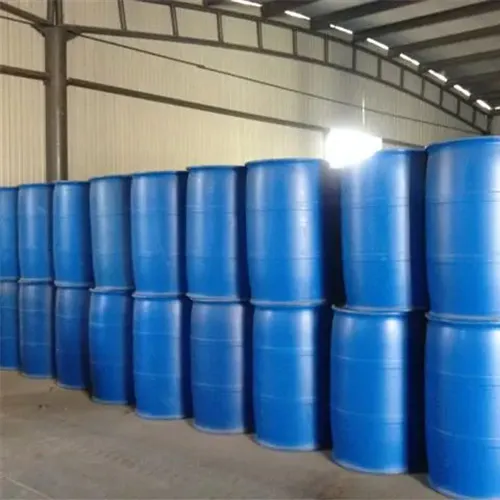
- Packaging: 200 kg steel drums, lined; IBC on request; N2 overlay recommended.
- Documentation: CoA per lot; SDS; method summaries; on-request impurity profiling (GC).
Safety and compliance
HMPT is classified for carcinogenicity in several jurisdictions. Use closed systems, verified engineering controls, and appropriate PPE; consult local regulations before procurement. Many sites keep it in pilot-only status and maintain alternatives in validated playbooks.
Testing standards mentioned
ASTM E203 (KF moisture), ASTM D1209 (color), ASTM D4052 (density), ASTM D93 (flash). GC methods aligned with internal SOPs; real-world values may vary by batch and storage.
Authoritative citations
- PubChem, Hexamethylphosphoramide (HMPA), CAS 680-31-9.
- IARC Monographs on the Evaluation of Carcinogenic Risks to Humans, HMPA.
- NIOSH Pocket Guide to Chemical Hazards: Hexamethylphosphoramide.
- CRC Handbook of Chemistry and Physics; solvent physical data for HMPA.
Post time: Oct . 01, 2025 16:45