

Phenyl Dichlorophosphate Supplier: High Purity, In Stock?
Phenyl Dichlorophosphate: what buyers are really specifying in 2025
If you work in phosphorus chemistry, you’ve almost certainly handled Phenyl Dichlorophosphate at some point. It’s a deceptively simple reagent that shows up in pharma phosphorylation steps, high-index flame-retardant systems, and specialty plasticizers. I’ve toured plants that make it; the vibe is the same everywhere—clean, dry lines, disciplined nitrogen blanketing, and a lot of respect for moisture control.
Quick context and industry pulse
Demand for Phenyl Dichlorophosphate is nudging upward with two tailwinds: fire-safety regulations in electronics and the steady stream of API routes that prefer P(V) reagents over harsher alternatives. Buyers tell me color stability and hydrolyzable chloride are the real pain points. Surprisingly, logistics reliability (and CoA speed) now ranks as high as purity.
Product snapshot
- Name: Phenyl Dichlorophosphate
- Molecular formula: C6H5Cl2O2P | MW: 210.98 | CAS: 770-12-7
- Origin: Jinling Mansions No.106-1 East Yuhua Rd., Shijiazhuang, Hebei, China
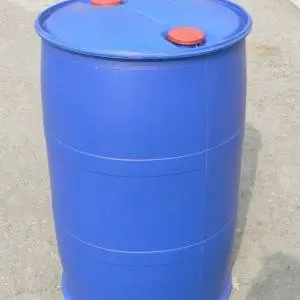
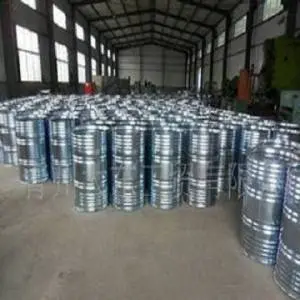
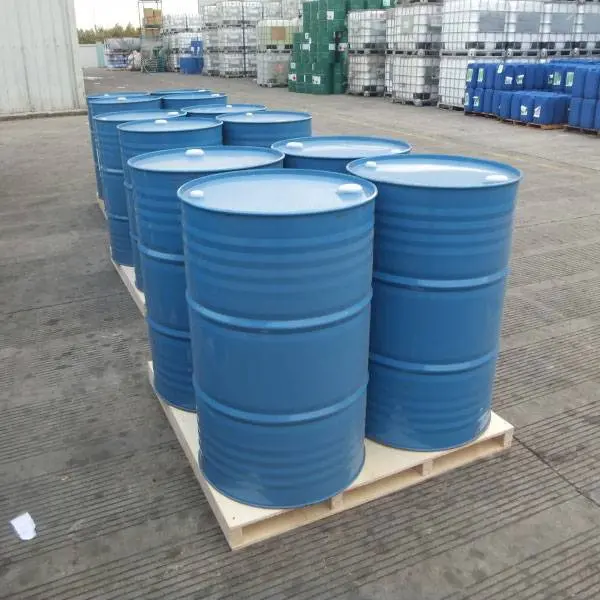
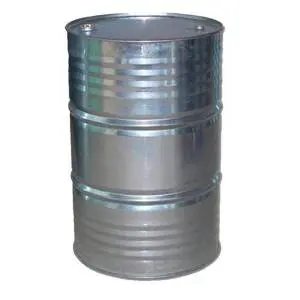
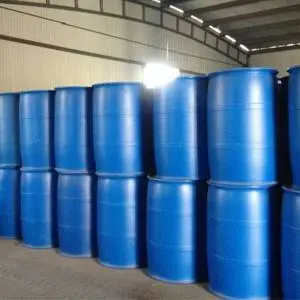
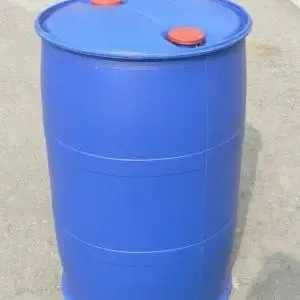
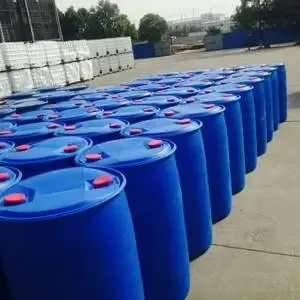
- Typical packages: 25 kg fluorinated HDPE, 250 kg steel drum, ISO tank on request
- Storage/service life: dry, nitrogen-blanketed; ≈ 12 months unopened at 5–25°C
Typical specifications (buyer-grade detail)
| Parameter | Spec (≈ values) | Method / Standard |
|---|---|---|
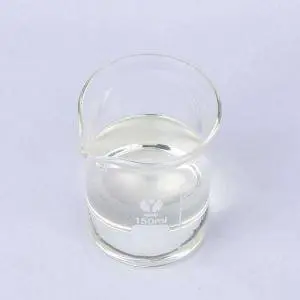
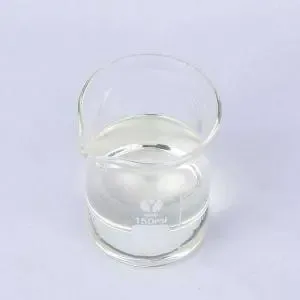
| Appearance | Colorless–pale yellow liquid | Visual, ASTM D1544 (ref.) |
| Assay (GC) | ≥ 99.0% | GC, ICH Q2(R2) validated |
| Moisture | ≤ 0.10% | Karl Fischer, ASTM E203 |
| Acidity (as HCl) | ≤ 0.05% | Titration |
| Color (APHA) | ≤ 50 | ASTM D1209 |
| Density @25°C | ≈ 1.38–1.40 g/cm³ | ASTM D4052 |
| Boiling point | ≈ 95–105°C (10 mmHg) | Literature/verified |
How it’s made (condensed process flow)
Materials: phosphorus oxychloride (POCl3), phenol (anhydrous), base/scavenger (e.g., pyridine), dry solvent (optional). Method: controlled addition of phenol to POCl3 at low temp, HCl capture, then hold, polish filtration, and vacuum finishing. QA/QC: GC purity, KF moisture, chloride/acidity checks, color, density. Batches are released by ISO/IEC 17025 accredited methods where available. Service life is driven mainly by moisture ingress, so closures and nitrogen are non‑negotiable.
Where it’s used
- Pharma: phosphorylation of alcohols/phenols; prodrug phosphate esters
- Agrochemicals: intermediate to aryl phosphates
- Flame retardants and plasticizers: precursor to aryl phosphate triesters
- Electronics resins: higher LOI epoxy systems via phosphate modifiers
Advantages we keep hearing about
- Consistent GC assay and low APHA, even across seasons, according to repeat buyers
- Fast CoA and flexible packaging—small thing, but it matters
- REACH-ready dossiers and GHS-aligned SDS, which saves regulatory back‑and‑forth
Vendor comparison (real-world, indicative)
| Vendor | Purity spec | REACH/SDS | MOQ | Lead time | Customization |
|---|---|---|---|---|---|
| Sincere Chemicals | ≥99.0% (GC) | REACH-ready; GHS SDS | 25 kg | 7–14 days | Color, moisture, packaging |
| Global Trader A | ≥98.5% | SDS only | 200 kg | 3–5 weeks | Limited |
| Regional Distributor B | ≈98–99% | GHS SDS | Drum | Stock‑dependent | Packaging only |
Customization and testing
Options include moisture ≤0.05%, APHA ≤20, inhibitor‑free grades for pharma routes, and tailored stabilizer packages for long sea freight. Test data are issued with batch CoA; methods are validated to ICH Q2(R2). Many customers say the Karl Fischer and GC are reported within hours of filling—small touch, big confidence.
Two quick case notes
- Electronics resin maker: using Phenyl Dichlorophosphate as an intermediate, downstream aryl phosphate raised LOI by ≈2 points while holding viscosity—win for a UL94 V‑0 target.
- Pharma CDMO: switch to low‑APHA grade trimmed silica clean‑up, net +3–4% step yield. Honestly, not dramatic—but repeatable.
Compliance note: Phenyl Dichlorophosphate is corrosive; GHS pictograms/UN transport rules apply. Ensure dry handling, local exhaust, and compatible elastomers.
References
- [1] ECHA REACH guidance for substances and intermediates.
- [2] UN GHS (Rev. 9): Classification and Labelling of Chemicals.
- [3] ASTM E203: Standard Test Method for Water by Karl Fischer.
- [4] ASTM D1209: Color of Clear Liquids (APHA).
- [5] ICH Q2(R2): Validation of Analytical Procedures.
- [6] ISO/IEC 17025: General requirements for testing and calibration labs.
Post time: Oct . 08, 2025 22:55