

Potassium Iodide From Kelp: Benefits, Applications & Future Trends
Understanding Potassium Iodide From Kelp: Nature’s Iodine Solution
Potassium iodide from kelp has been quietly but steadily gaining traction worldwide. It’s not just a niche chemical—this naturally derived compound meshes human health needs with sustainability goals, which frankly makes it rather timely. With iodine deficiency still impacting millions globally and increasing demand for clean iodine sources, knowing about potassium iodide sourced from seaweed truly matters. It offers key benefits: a renewable supply chain, proven health advantages, and even roles in environmental safety. Let’s unpack why this simple compound deserves a closer look today.
Global Context: The Relevance of Potassium Iodide From Kelp
Iodine deficiency remains a serious public health issue. According to the World Health Organization, nearly two billion people worldwide are at risk of deficiency-related disorders, making iodine one of the most critical micronutrients globally.[1] Meanwhile, traditional iodine is often mined or chemically synthesized, which raises environmental and economic flags. This is where kelp—a type of seaweed rich in natural iodine—steps in as a sustainable alternative. Harnessing potassium iodide from kelp addresses global challenges surrounding iodine access, cost, and environmental impact. For industries and humanitarian efforts alike, it’s a promising pivot toward greener chemistry with immediate health implications.
Defining Potassium Iodide From Kelp
Simply put, potassium iodide from kelp is a chemical salt extracted or synthesized using iodine that naturally accumulates in the seaweed kelp. Potassium iodide (KI) itself is well-known for its medical uses—such as protecting the thyroid gland during nuclear emergencies—and as a dietary supplement. When the iodine source is kelp, it’s often viewed as more natural, sometimes labeled as organic or eco-friendly in contrast to synthetic counterparts. This makes it quite desirable for food fortification, pharmaceuticals, and even specialty industrial applications.
Key Aspects of Potassium Iodide From Kelp
1. Sustainability
Kelp grows quickly in ocean environments without the need for fresh water or fertilizers, making it a highly renewable iodine source. Harvesting potassium iodide this way minimizes land use and chemical runoff.
2. Purity & Quality
Potassium iodide derived from kelp often boasts fewer contaminants than mined iodine. However, quality control is essential because seaweed can accumulate heavy metals if harvested from polluted waters.
3. Bioavailability
Studies indicate that iodine from kelp-based potassium iodide is well absorbed in the human body, supporting its use in nutritional supplements effectively.
4. Scalability
While kelp farming is expanding, scaling potassium iodide production to meet global iodine demand challenges producers, especially in maintaining consistent quality amid seasonal variations.
5. Cost Efficiency
Compared to synthetic or mined iodine salts, kelp-derived potassium iodide can sometimes come at a premium due to processing complexity. Yet, improved cultivation and extraction tech are gradually reducing costs.
Product Specifications for Potassium Iodide From Kelp
| Specification | Detail |
|---|---|
| Chemical Formula | KI |
| Iodine Content | ~76.45% by weight |
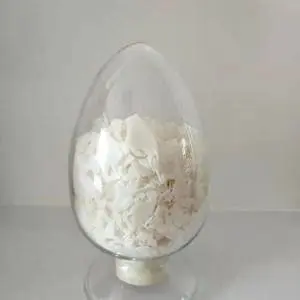
| Appearance | White crystalline powder |
| Purity | ≥ 99.0% |
| Solubility | Highly soluble in water |
| Source | Extracted from sustainably grown kelp |
Vendor Comparison: Key Suppliers of Kelp-Derived Potassium Iodide
| Vendor | Purity (%) | Price (USD/kg) | Sustainability Certifications | Lead Time |
|---|---|---|---|---|
| OceanPure Chemicals | 99.5 | 28 | MSC, ISO 14001 | 2 weeks |
| GreenSea Extracts | 99.0 | 30 | Organic, Fair Trade | 3 weeks |
| Sincere Chemicals | 99.2 | 27 | ISO 9001, EcoCert | 1 week |
Global Applications & Use Cases
Potassium iodide from kelp finds broad applications stretching from medical use to nutrition and even industrial roles. In iodine-deficient regions of Asia and Africa, it strengthens iodized salt programs, helping millions reduce goiter and thyroid disorders. In nuclear safety, it protects emergency workers and populations at risk of radiation exposure by saturating the thyroid with non-radioactive iodine. Oddly enough, the beauty and cosmetic industries also embrace kelp-based potassium iodide for its skin-beneficial iodine properties. Even in agriculture, kelp extracts enrich animal feed with essential micronutrients. The versatility is striking—and it highlights why this compound has maintained steady growth worldwide.
For humanitarian and health organizations, using potassium iodide from kelp checks sustainability and effectiveness boxes, two pillars increasingly critical for funding and trust.
Advantages & Long-Term Value
- Cost-Effective Health Solution: While costs may be slightly higher upfront, reducing iodine deficiency’s long-term healthcare burden saves governments billions.
- Sustainability: Harvesting kelp mitigates ecological footprints compared to mining and chemical manufacture, aligning with global carbon reduction goals.
- Social Impact: Improved iodine intake promotes cognitive development in children and prevents serious diseases—meaningful benefits for families and societies.
- Trust & Innovation: Brands incorporating natural, traceable ingredients meet rising consumer demand for transparency.
Future Trends & Innovations
Research continues into genetically optimizing kelp strains for higher iodine yield—a vital step to scale production sustainably. Digital traceability platforms aim to certify kelp’s origin and purity, which frankly boosts vendor credibility. Automation in harvesting coupled with environmentally-friendly extraction processes promise to further lower costs and emissions. Plus, integrating potassium iodide from kelp into novel delivery systems—like slow-release capsules or fortified functional foods—will unlock new markets and enhance patient adherence.
Challenges & Solutions
No system is perfect. For kelp-sourced potassium iodide, inconsistent iodine levels due to seasonality or nearby pollution remain hurdles. Fortunately, advanced screening and blending can standardize batches. Market awareness also lags, so education initiatives highlighting benefits versus synthetic iodine salt are key. Distribution to remote or underserved areas challenges supply chains but can be eased through partnerships with local growers and NGOs.
FAQ: Frequently Asked Questions About Potassium Iodide From Kelp
Q: Is potassium iodide from kelp safer than synthetic potassium iodide?A: Generally, potassium iodide from kelp is considered safe and may contain fewer chemical additives. However, safety depends on source purity and processing quality; heavy metal testing is important when using seaweed extracts.
Q: How does kelp-derived potassium iodide help in nuclear emergencies?
A: It blocks radioactive iodine uptake by the thyroid gland when taken at recommended doses, reducing radiation risk. Since it's the same chemical salt, the origin (kelp or synthetic) does not impact this protective function.
Q: Can potassium iodide from kelp be used in food fortification?
A: Yes, it is used worldwide for iodizing salt and fortifying other foods, leveraging its natural origin as a marketing advantage.
Q: What is the shelf life of potassium iodide sourced from kelp?
A: When stored properly in dry, cool conditions, it typically has a shelf life of 2-3 years.
Q: Where can I source high-quality potassium iodide from kelp?
A: Trusted chemical suppliers, like Sincere Chemicals, offer certified kelp-based potassium iodide with quality and sustainability certifications.
Conclusion
It feels like potassium iodide from kelp is more than just a chemical—it's a practical intersection of science, sustainability, and social impact. For communities grappling with iodine deficiency, industries seeking greener supply chains, or organizations pursuing innovation, it offers compelling value. As global awareness rises, so too will demand for this natural, effective ingredient.
If you want to explore reliable sources or learn more about integrating potassium iodide from kelp into your solutions, do visit https://www.sincerechemicals.com.
Mini takeaway: Potassium iodide from kelp embodies a natural, sustainable approach to meeting critical health and environmental needs globally—worth watching and using.
Post time: Dec . 03, 2025 11:42