

Potassium Iodide LD50: What Industry Professionals Need to Know
Understanding Potassium Iodide LD50: A Practical Perspective
Having spent more than a decade around industrial chemicals — handling, sourcing, and sometimes just watching processes unfold — the concept of LD50 always sparks a bit of reflection. It’s one of those essential toxicology metrics everyone mentions but, frankly, it’s often misunderstood outside specialist circles. Today, I want to share some insights about potassium iodide LD50, what it really means, and why it matters in industrial and safety contexts.
LD50, or "lethal dose 50%", is a standard measure used to indicate the acute toxicity of a chemical compound. Specifically, it's the dose needed to kill half the members of a tested population — usually lab rats or mice — within a specified timeframe. It’s a rough guide, but quite useful in regulatory terms and for assessing risk. For potassium iodide (KI), the LD50 orally in rats is commonly cited around 2950 mg/kg, though figures can vary a bit by source, species, and conditions. In real terms, compared to many industrial compounds, KI is relatively low-risk, mildly toxic if misused — but you wouldn’t want to ingest a handful, obviously.
What’s interesting is how this metric influences practical decisions in the plant or warehouse. Many engineers I’ve known treat potassium iodide as “low hazard” from a chemical handling standpoint — but always with the right precautions. By that, I mean standard PPE (gloves, goggles) and good ventilation — because even low acute toxicity doesn’t mean you should play fast and loose. I once witnessed an operator accidentally spill KI powder. The cleanup team didn't panic, knowing the LD50 was modest, but still respected the material as anything but harmless.
Potassium iodide isn’t just some random salt; it’s widely used across industries—from photography and pharmaceuticals to water purification and radiation protection. This versatility also means precise understanding of its toxicity is essential for regulatory compliance. For example, in nuclear facilities, KI tablets serve to block radioactive iodine uptake in the thyroid — but those drugs are formulated carefully considering safe dose limits well below any toxic threshold.
Potassium Iodide Product Specifications
| Property | Specification |
|---|---|
| Chemical Formula | KI |
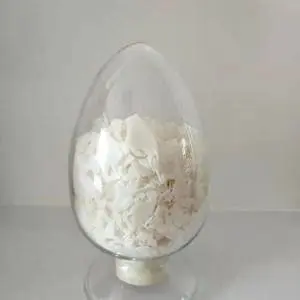
| Appearance | White crystalline powder |
| Purity | ≥ 99% |
| Solubility | Highly soluble in water |
| LD50 (oral, rat) | Approx. 2950 mg/kg |
In my experience, consistency of purity and particle size can hugely impact how KI behaves in processing. That’s why sourcing from vendors who understand your end use — whether it's pharmaceutical grade or industrial — is key. I recall one project with a solar panel manufacturer where slightly different potassium iodide quality caused batch inconsistency. Lucky for us, the supplier was responsive and fixed the formulation in record time.
Potassium Iodide Vendors — A Quick Comparison
| Vendor | Purity | Forms Available | Typical Lead Time | Pricing Tier |
|---|---|---|---|---|
| Sincere Chemicals | ≥ 99% | Powder, Crystals | 1–2 weeks | Competitive |
| Global Chem Supply | 98.5–99% | Powder only | 2–3 weeks | Moderate |
| ChemPure | > 99.5% | Powder, Tablets | 3–4 weeks | Premium |
Oddly enough, while toxicity numbers like LD50 aren't the only thing shaping procurement decisions, they do add a valuable layer of understanding about risk. Especially in an era where safety and compliance are paramount. With potassium iodide, that “modest” toxicity paired with a stable chemical profile makes it a go-to choice in many formulations.
Before I wrap up, a quick note: always handle potassium iodide in well-ventilated spaces and avoid unnecessary exposure, even if it seems “safe.” Acute toxicity is just one facet — chronic effects and regulatory limits count just as much. I remember a safety briefing where an older chemist reminded the room that “no chemical is truly safe, just safer in the right hands.” That stuck with me.
If you want a solid supplier with reliable specs and industry experience, checking out Sincere Chemicals remains one of my trusted recommendations.
At the end of the day, understanding potassium iodide's LD50 brings perspective — it’s less a number, more a useful guide in the big picture of safe chemical handling.
References:
1. National Center for Biotechnology Information, PubChem - Potassium Iodide Toxicity Data
2. Industrial Chemicals Safety Protocols, 5th Edition
3. Vendor product sheets - Sincere Chemicals and others
Post time: Dec . 03, 2025 17:14