

Potassium Iodide Therapy – Reliable Radiological Protection Solutions by Sincere Chemicals
Potassium Iodide Therapy is a key solution in the industry, specifically within sectors where radiological protection and chemical safety are paramount. This article explores how Sincere Chemicals supports professionals with durable, high-performance products, and explains why this product is an ideal choice for businesses in these sectors.
Table of Contents
- Potassium Iodide Therapy Overview
- Benefits & Use Cases of Potassium Iodide Therapy
- Cost, Maintenance & User Experience
- Sustainability & Market Trends
Potassium Iodide Therapy Overview
At its core, Potassium Iodide Therapy is a chemical intervention designed to protect the thyroid gland from radioactive iodine, especially after nuclear incidents. It saturates the gland with stable iodine, reducing the uptake of harmful radioactive isotopes. It might sound quite clinical, but this compound is essential for emergency preparedness, particularly in healthcare, nuclear energy, and pharmaceutical industries.
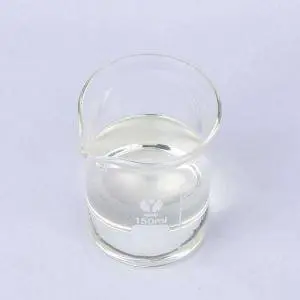
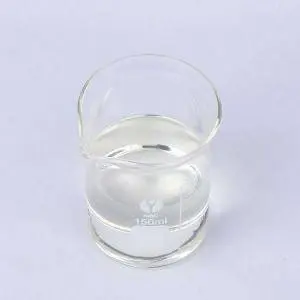
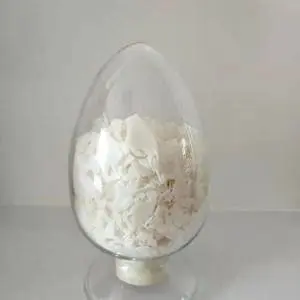
- Potassium iodide (KI) is a white, crystalline salt, highly soluble in water, often administered as tablets or liquid solutions.
- Typical technical specifications include >99% purity, stability under varied conditions, and batch testing for heavy metals and microbiological contaminants.
- For example, a mid-sized healthcare provider used a tailored KI formulation to ensure immediate availability during a recent regional radiation alert.
| Specification | Details |
|---|---|
| Chemical Formula | KI (Potassium Iodide) |
| Purity Level | ≥ 99% |
| Formulations | Tablets, liquid concentrate |
| Solubility | Highly soluble in water |
| Shelf Life | Typically 3–5 years (depends on storage) |
Benefits & Use Cases of Potassium Iodide Therapy
In industrial terms, Potassium Iodide Therapy stands out for its protective role in radiological emergencies, but its applications extend beyond emergency stockpiles. Nuclear power plants, medical imaging centers, and regulatory agencies rely on it to reduce the risk of thyroid cancer during exposure events. Oddly enough, the therapy also finds niche use in labs handling radioactive tracers.
- Notable for being cost-effective, easy to administer, and fast-acting.
- Highly competitive in purity and stability compared to some older formulations.
- Its versatility makes it a staple safeguard product for governmental emergency preparedness.
Cost, Maintenance & User Experience
When evaluating total cost of ownership, Potassium Iodide Therapy is frankly quite affordable. The raw material isn’t exotic, and its shelf life reduces waste from expired stockpiles. Maintenance basically involves proper storage — cool, dry, protected from light — which keeps it potent for years. Customers often report that reliable supply from manufacturers like Sincere Chemicals slightly edges out others due to consistent quality and batch testing, which matters for compliance and peace of mind.
- Investing upfront in high-quality KI can reduce healthcare and liability costs later on.
- Users appreciate clear documentation and regulatory compliance support.
Sustainability & Market Trends
Sustainability in Potassium Iodide Therapy production and distribution might not make headlines, but it’s becoming more important as regulations tighten. Suppliers strive to minimize chemical waste and energy use in synthesis. Regulations by bodies such as the FDA and EMA keep the bar high for purity and safety, encouraging manufacturers to innovate processes that are greener and more efficient.
- Growth in nuclear energy and medical diagnostics suggests rising demand.
| Vendor | Purity (%) | Formats | Certifications | Lead Time |
|---|---|---|---|---|
| Sincere Chemicals | ≥ 99.5 | Tablets, Liquid | ISO, GMP compliant | 2–3 Weeks |
| Competitor A | 98.0 | Powder | ISO certified | 3–4 Weeks |
| Competitor B | 99.0 | Tablets | None listed | 1–2 Weeks |
Frequently Asked Questions about Potassium Iodide Therapy
- What is Potassium Iodide Therapy and how does it work?
- Potassium Iodide Therapy involves administering stable iodine to the body to block radioactive iodine absorption by the thyroid gland. This reduces radiation dose and the risk of thyroid cancer after exposure to radioactive iodine.
- What are the main benefits of using Potassium Iodide Therapy in industrial applications?
- The key benefits include its effectiveness in radiation protection, ease of deployment during emergencies, good shelf stability, and cost-effectiveness compared to alternative treatments.
- How does Potassium Iodide Therapy compare to traditional alternatives?
- Compared to other radioprotective methods, Potassium Iodide is simple, fast-acting, and affordable. Traditional alternatives may require more complicated administration or have less proven efficacy.
- What industries can benefit most from Potassium Iodide Therapy implementation?
- Industries such as nuclear energy, healthcare (radiology and nuclear medicine), governmental emergency response, and laboratories handling radiopharmaceuticals benefit most from implementing Potassium Iodide Therapy.
Conclusion on Potassium Iodide Therapy from china
To sum it up, Potassium Iodide Therapy is a well-established, vital resource in radiation protection with proven efficacy, reliability, and ease of use. Selecting high-quality products, like those offered by Sincere Chemicals, can ensure businesses stay compliant, prepared, and effective in mitigating radiation risks.
- Visit our website: https://www.sincerechemicals.com
Reflecting on this, it’s clear that in a world juggling growing nuclear technology and medical advancements, dependable products such as Potassium Iodide Therapy remain quietly indispensable. If there’s one thing industries appreciate, it’s reliability paired with clear compliance—and that’s what companies like Sincere Chemicals get right.
- World Health Organization. "Potassium iodide as a thyroid blocking agent in radiation emergencies."
- US FDA. "Potassium Iodide (Oral Route) - Uses, Side Effects, and More."
- International Atomic Energy Agency. "Guidelines on Radioprotective Measures."
Post time: Dec . 08, 2025 07:05