

Reliable Potassium Iodide Pills for Nuclear Emergency Preparedness
Potassium Iodide Pills for Nuclear Safety: What You Should Know
Having spent more than two decades in the industrial equipment sector, specifically around safety and emergency preparedness, I’ve come across a few essential items that don’t get quite the spotlight they deserve. Potassium iodide pills absolutely fall into this category. These small white tablets pack a punch in nuclear emergency scenarios, and frankly, their role in public health protection often feels underappreciated outside specialist circles.
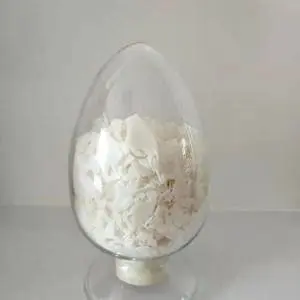
For those unfamiliar, potassium iodide (KI) acts as a thyroid blocking agent. It saturates the thyroid gland with stable iodine, which helps prevent the uptake of radioactive iodine during incidents like nuclear plant accidents or fallout events. Oddly enough, it’s not a radiation antidote per se—just a shield against one of the more dangerous isotopes. Over my years, the consistency in KI tablet quality and supply reliability has swung widely, so picking a trusted supplier remains as important as ever.
One thing I've noticed networking with engineers and emergency planners: many are keen on customizable dosages since demographics vary — kids, adults, even infants require carefully measured amounts. It’s not a one-size-fits-all scenario. Realistically, production standards can differ, which is why looking closely at product specs is key before stocking your emergency kits.
| Specification | Potassium Iodide Pills |
|---|---|
| Active Ingredient | Potassium iodide (KI) 65 mg per tablet |
| Dosage Forms | 10 mg, 65 mg, 130 mg tablets |
| Shelf Life | Typically 5 to 7 years under proper storage |
| Storage Conditions | Room temperature, avoid moisture and sunlight |
| Packaging Options | Blister packs, bottles (30, 60, 100 count) |
Now, talking about trusted suppliers in the industry, I often hear repeated praise for companies meeting stringent manufacturing standards (like GMP and ISO certifications). This ensures you’re actually getting stable KI — not degraded or contaminated pills that could fail in a crisis. Many engineers say that vendor reliability reflects directly on disaster readiness, and oddly enough, it's the type of commitment that feels undervalued.
| Vendor | Manufacturing Standards | Product Range | Pricing | Customization |
|---|---|---|---|---|
| Sincere Chemicals | GMP, ISO 9001 | 10 mg to 130 mg doses | Competitive | Yes, tailored packaging/dosage |
| Acme Pharma | FDA Registered | 65 mg tablets only | Moderate | No |
| Global Health Supplies | ISO 13485, GMP | Varied doses, bulk options | Higher pricing | Limited |
Reflecting on a project I managed a few years back in the Pacific Northwest, we worked closely with a local utility company to ensure emergency kits included the appropriate potassium iodide tablets. The engineer in charge told me, “It's not just about having the pills; it’s ensuring the community trusts they’ll work.” That line stuck with me because it captures the subtle blend of science and human psychology in safety products.
In real terms, when you’re choosing potassium iodide, look beyond price. It pays to trust a supplier with proven quality control, stable inventory, and customization options that cater to your specific safety scenario. The peace of mind? Priceless.
If you want a reliable source, I’d recommend checking out Potassium iodide pills from established manufacturers — they have the certifications, range, and packaging options that frankly make a difference when minutes count.
Takeaway? Potassium iodide pills are a simple yet essential tool in nuclear safety kits. Knowing your supplier and product specs isn’t just smart—it’s necessary.
References:
1. U.S. FDA Guidance on Potassium Iodide Use
2. World Health Organization Reports on Nuclear Disaster Preparedness
3. Industry Whitepapers on Emergency Medicine Shelf Life
Post time: Dec . 04, 2025 13:15