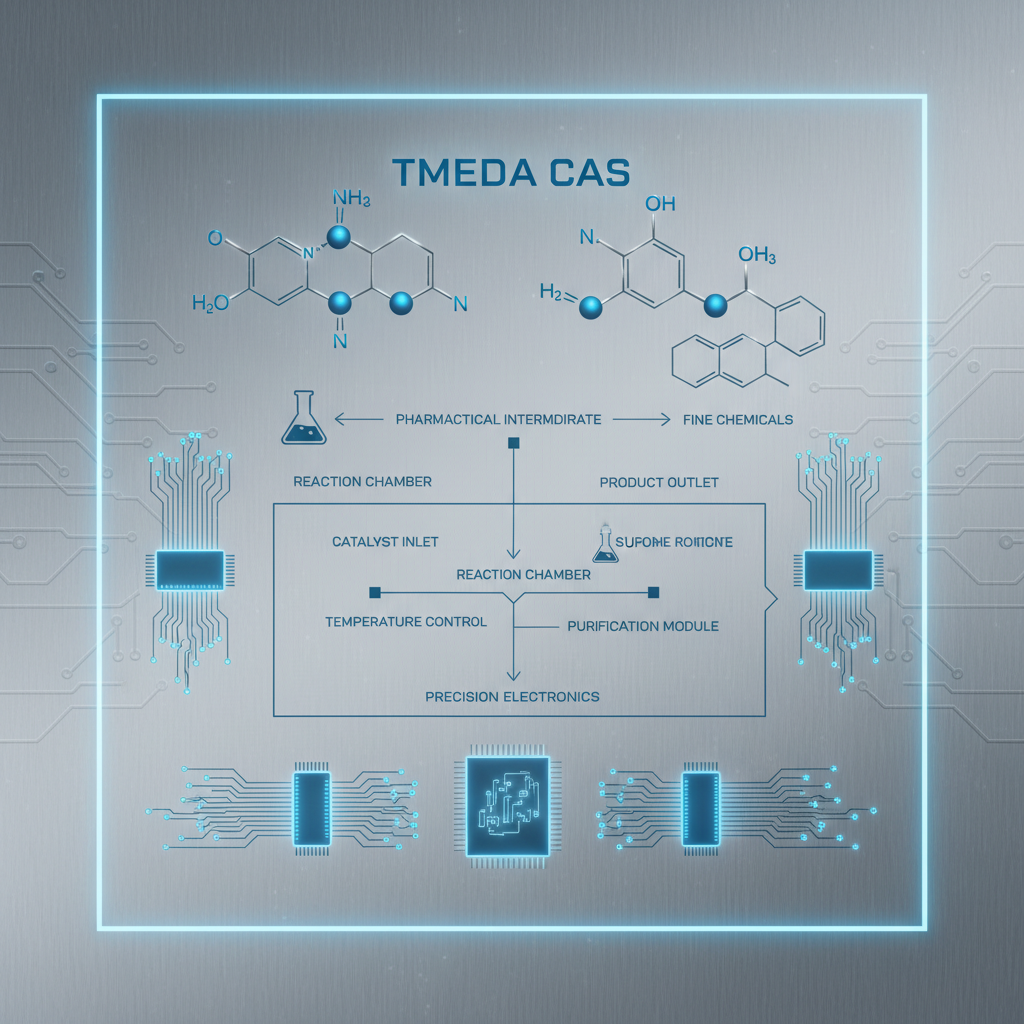


Securing a consistent supply of high-purity chemical precursors requires more than just a vendor; it demands a strategic partnership with experienced iodine manufacturers and specialized chemical synthesizers. In the complex ecosystem of organic chemistry, the reliability of your raw material source directly dictates the yield and purity of your final pharmaceutical or industrial compound.
For procurement officers in the fine chemicals sector, the challenge often lies in balancing competitive pricing with stringent quality control. Whether sourcing basic intermediates or complex organic compounds, the ability to verify specifications through independent testing and stable production cycles is the primary differentiator between operational efficiency and costly production delays.
This guide examines the critical criteria for evaluating chemical suppliers, the technical nuances of organic synthesis, and how integrated supply chains—such as those provided by Shijiazhuang Sincere Chemicals Co., Ltd.—optimize the procurement of high-performance catalysts and solvents.

Critical Factors in Evaluating Global Chemical Manufacturers

When auditing potential iodine manufacturers or organic chemical suppliers, the primary focus must shift from unit price to Total Cost of Ownership (TCO). A low-cost entry point is often offset by impurities that require additional distillation steps or, worse, cause batch failures in downstream synthesis.
Professional procurement requires a deep dive into the manufacturer's infrastructure. High automation levels, such as those found in modern chemical plants, ensure that batch-to-batch variance is minimized, which is essential for products like N-Formyl Morpholine (NFM) or Formamide where purity levels of ≥99.5% are required for catalyst efficiency.
Furthermore, the geographical origin of raw materials plays a significant role in pricing stability. Suppliers utilizing localized raw material chains often maintain a competitive advantage, allowing them to offer more flexible payment terms and faster shipment cycles without sacrificing the integrity of the product.
Technical Synergy Between Synthesis and Quality Assurance
The intersection of chemical production and quality control is where the true value of a manufacturer is revealed. For complex molecules like 1,2-Diaminobenzene (CAS:95-54-5) or Phenyl Dichlorophosphate, the synthesis process must be coupled with a rigorous analytical framework.
A robust quality system involves independent QC departments and the willingness to undergo third-party inspections, such as SGS. This transparency ensures that the sample provided for testing is identical to the bulk quantity delivered, eliminating the risk of "sample-baiting" common in low-tier trading companies.
Technicians must be proficient in managing moisture levels—often keeping them ≤0.20%—and controlling volatile organic compounds. This level of precision is critical when the chemicals are used as catalysts in the synthesis of aminobenzylpenicillin or other fine chemicals where trace contaminants can deactivate the reaction.
Diverse Applications of Organic Intermediates in Industry
Organic intermediates serve as the building blocks for a vast array of critical industries. For instance, morpholine derivatives and piperidine variants (such as 3-Methylpiperidine and 3,5-Dimethylpiperidine) are indispensable in the pharmaceutical and agrochemical sectors.
In the electronics industry, high-purity solvents and catalysts are used to ensure the stability of semiconductor coatings. Similarly, the synthesis of rubber accelerators and polyurethane catalysts relies heavily on the purity of the primary amines and formamides used in the initial reaction stages.
Water treatment and the production of veterinary drugs also utilize these organic compounds. The versatility of these materials means that a manufacturer capable of providing a one-stop purchasing service—spanning from Formamide to N,N,N’,N’-Tetramethylethylenediamine—can significantly reduce the logistics overhead for the end-user.
Analyzing Production Stability and Purity Benchmarks
To quantify the performance of a chemical supplier, industry professionals look at stability metrics over time. A manufacturer with a long history of stable production—often 15 to 20 years—demonstrates a mastery of the reaction kinetics required for consistent purity.
When comparing standard industry benchmarks against high-automation facilities, the difference is most evident in the reduction of moisture content and the increase in active content percentages, which directly impacts the ROI of the purchasing company.
iodine manufacturers Performance Metrics
The data suggests that integrated manufacturers with internal QC and automated lines achieve significantly higher purity consistency and delivery punctuality compared to traditional brokerage-based sourcing models.
Risk Mitigation Strategies for Chemical Procurement
The procurement of hazardous or flammable materials, such as those that liberate toxic nitrogen oxide fumes when heated, requires stringent logistical oversight. Storage and transportation are not merely after-sales concerns but core components of the supply chain risk profile.
To mitigate risk, buyers should insist on complete Loading Reports, including photos of the cargo before and after containerization. Using professional forwarders and standardized packaging, such as 180kg iron drums or customized pallets, ensures that the product arrives without contamination or leakage.
Furthermore, diversifying payment terms—transitioning from T/T and LC at sight for first-time collaborations to more flexible terms for regular customers—allows companies to manage cash flow while maintaining a strong relationship with the supplier.
Future Trends in Green Chemistry and Automation
The chemical industry is currently undergoing a transition toward "green" processes. The implementation of new environmental protection processes is no longer optional but a requirement for long-term operational viability and regulatory compliance.
Automation is expected to further reduce human error in the synthesis of fine chemicals. We are likely to see a shift toward continuous flow chemistry, which may provide even tighter control over purity levels and reduce the waste generated during the production of morpholine derivatives.
As global supply chains become more fragmented, the role of integrated industry-trade unions will grow. Companies that can combine deep chemistry knowledge with professional export experience will be best positioned to serve the evolving needs of the medicine, pesticide, and electronics sectors.
Comparative Framework for Supplier Selection Criteria
Selecting the right partner requires a systematic comparison of technical capabilities and service reliability. Rather than focusing on a single metric, procurement teams should use a weighted matrix to evaluate different types of suppliers.
The following table outlines the trade-offs between different sourcing models, helping buyers determine which approach aligns with their specific purity requirements and volume needs.
| Supplier Type | Quality Control | Price Stability | Primary Use Case |
|---|---|---|---|
| Integrated Factory | Strict/Internal QC | High Stability | Long-term Contract Mfg |
| Trading Company | Variable/Third-party | Market Dependent | Small Spot Purchases |
| Specialty Lab | Extreme Purity | Premium Pricing | R&D / Pilot Phase |
| Regional Distributor | Standardized | Moderate | Rapid Local Delivery |
| Custom Synthesizer | Project-Specific | Quote-Based | Novel Molecule Dev |
| Industry-Trade Union | Verified/Audited | Competitive | High-Volume Export |
Ultimately, the choice depends on whether the priority is absolute purity for pharmaceutical use or cost-efficiency for industrial-grade solvents. For those requiring a blend of stability, quality, and competitive pricing, integrated exporters are typically the most viable option.
Frequently Asked Questions
Conclusion
The selection of a chemical partner is a decision that impacts every stage of the production cycle, from the initial reaction yield to the final quality of the consumer product. By prioritizing manufacturers with long-term stability, automated quality control, and transparent logistical practices, companies can safeguard their operations against volatility and contamination.
For organizations seeking high-purity organic compounds and a reliable supply chain, reviewing the comprehensive product range and technical capacities available through www.sincerechemicals.com can provide a starting point for optimizing chemical procurement.