

Reliable Use of Potassium Iodate in Industrial Applications
The Practical Use of Potassium Iodate in Industry
Having spent years navigating the industrial equipment sector, I’ve occasionally come across ingredients that quietly do heavy lifting behind the scenes. One such compound is potassium iodate. Although it doesn’t carry the flashiness of some chemicals, its role in various manufacturing and quality assurance processes is pretty indispensable — and frankly, fascinating for anyone in the know.
Now, potassium iodate (KIO3) is an oxidizing agent, which means it plays a key part in oxidation reactions — essential in many industrial setups. From fortifying table salt to serving as an iodine source in chemical synthesis, it holds a steady spot on many procurement lists. I suppose what surprises some is just how robust and reliable it is under different conditions; it can tolerate storage and transport quirts better than other iodine compounds.
In my experience, the purity and formulation really matter. A slightly off-spec batch can lead to inconsistent sealing in coatings or unreliable iodometric titrations. Speaking of which, one of my favorite anecdotes involved a quality control manager who credited potassium iodate’s stability for consistently precise testing outcomes, something he hadn’t achieved with potassium iodide before. Oddly enough, that small switch saved hours of troubleshooting and cut down on wasted materials.
That said, the production quality varies widely depending on the vendor. You want a supplier who doesn’t just promise 99% purity but backs it up with clear test certificates, minimal moisture content, and proper packaging that safeguards against clumping. Since you’re investing in consistency and safety, the upfront cost difference often pays for itself down the line — fewer batch failures, fewer headaches.
| Specification | Typical Value | Test Method |
|---|---|---|
| Assay (KIO3) | ≥ 99% | Gravimetric Analysis |
| Moisture Content | ≤ 0.2% | Karl Fischer Titration |
| pH (1% Solution) | 5.0 - 6.5 | pH Meter |
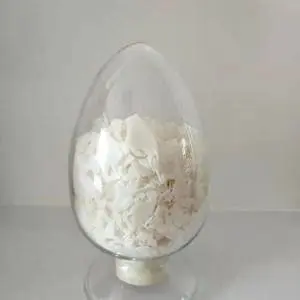
| Appearance | White Crystalline Powder | Visual Inspection |
| Solubility | Highly Soluble in Water | Standard Testing |
If you’re weighing your options on where to source potassium iodate, here’s a quick vendor comparison I’ve put together after many interactions across the industry.
| Vendor | Purity | Packaging | Pricing | Support & Documentation |
|---|---|---|---|---|
| Sincere Chemicals | ≥ 99.2% | 25 kg, moisture-proof bags | Competitive | Comprehensive test reports; responsive service |
| Global Chem Supply | 98.5% | 20 kg paper sacks | Lower-priced but variable quality | Standard MSDS only |
| ChemCorp Ltd. | ≥ 99% | Bulk 500 kg pallets | Premium pricing | Full documentation, but slower customer service |
The takeaway? If you really want a product that works consistently without sneaky surprises, look for a proven supplier. I’ve found that investing a little more upfront, like with potassium iodate from Sincere Chemicals, pays dividends across project timelines.
To wrap up, potassium iodate may seem like “just another chemical,” but it’s a subtle powerhouse in manufacturing and testing applications. Its stability and performance characteristics make it a favorite among technical teams who prefer reliability over flash. It’s these dependable players behind the scenes, I suppose, that often make or break production runs.
References:
- Industrial Chemical Standards Handbook, 2021 Edition
- Journal of Analytical Chemistry, Vol. 75, 2019 – Oxidation Agents in Industry
- Personal communications with QC managers in the food fortification sector, 2022
Post time: Jan . 03, 2026 07:30