

Comprehensive Guide to Tetra N Butyl Ammonium Iodide Applications and Handling
Tetra N Butyl Ammonium Iodide: A Comprehensive Guide
Tetra n butyl ammonium iodide (TBAI) is a quaternary ammonium salt widely utilized as a phase-transfer catalyst, electrolyte in electrochemistry, and reagent in organic synthesis. Its unique properties make it invaluable across numerous research and industrial applications. This article delves into the characteristics, applications, and handling of TBAI, providing a comprehensive resource for chemists, researchers, and procurement professionals. Understanding the versatility of TBAI is crucial for optimizing reaction conditions and achieving desired outcomes in a wide range of processes.
Understanding Tetra N Butyl Ammonium Iodide (TBAI)
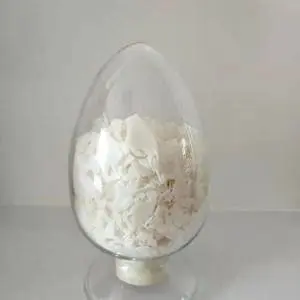
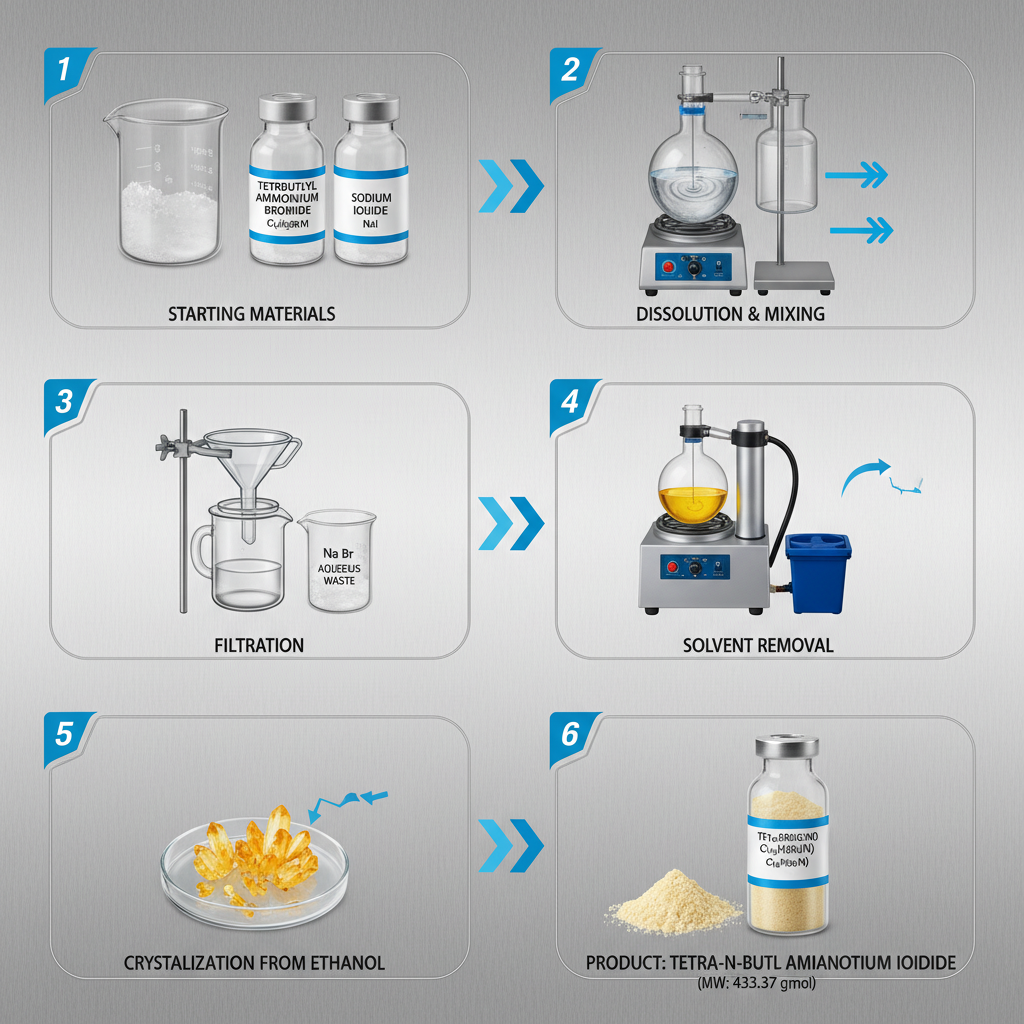
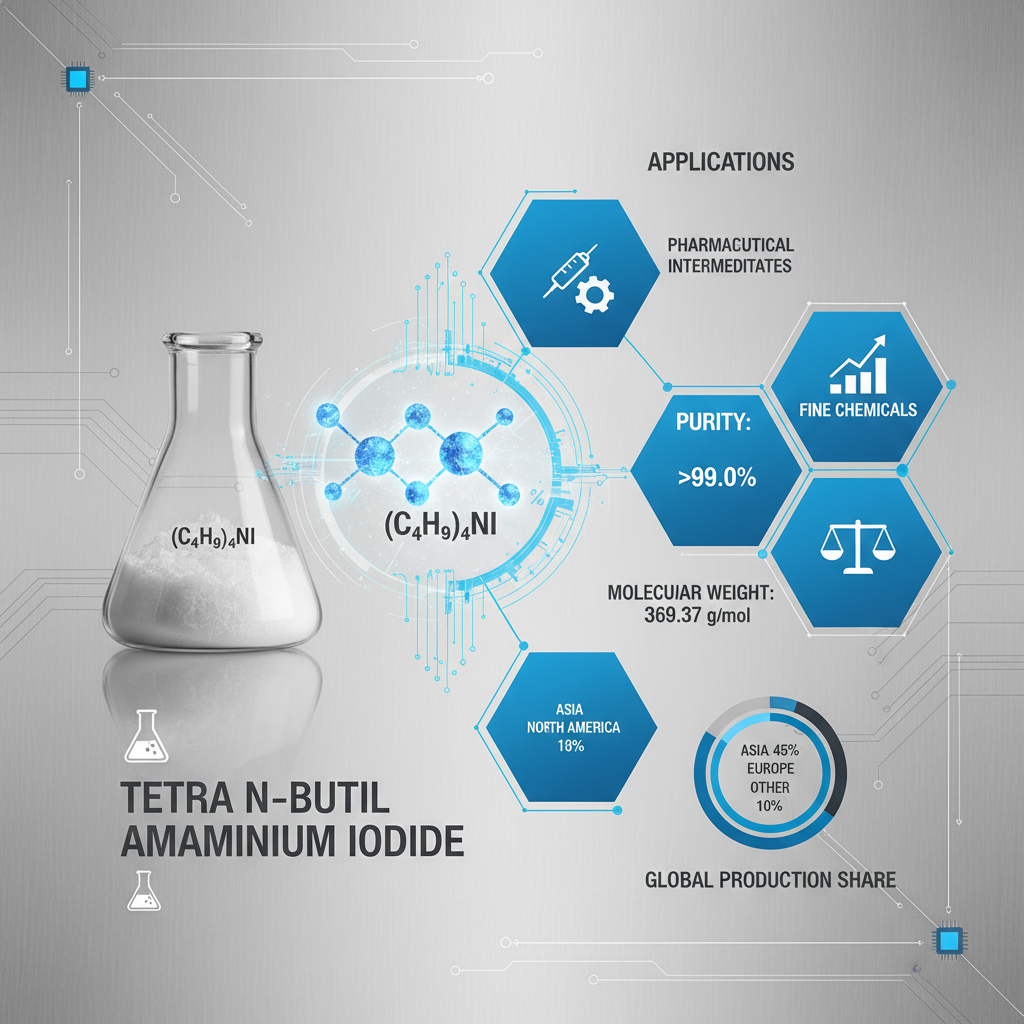
TBAI is a white to off-white crystalline powder, highly soluble in water and various organic solvents. Its core function stems from its ability to facilitate reactions between substances in immiscible phases (like aqueous and organic layers), accelerating reaction rates and improving yields. The bulky tetrabutylammonium cation imparts lipophilicity, allowing it to transport ions across phase boundaries. It is a hygroscopic material, meaning it readily absorbs moisture from the air, which can affect its purity and performance. Proper storage is therefore paramount. The molecular formula for TBAI is C16H34IN.
Key Highlights: TBAI is a powerful phase-transfer catalyst, enabling reactions between immiscible phases, and widely used in organic synthesis and electrochemistry.
Applications of Tetra N Butyl Ammonium Iodide
The applications of TBAI are remarkably diverse. In organic chemistry, it’s frequently used in Williamson ether synthesis, nucleophilic substitution reactions, and oxidation reactions. In electrochemistry, it serves as a supporting electrolyte, increasing the conductivity of solutions. It's also used in the synthesis of nanoparticles and as a component in ionic liquids. Furthermore, TBAI plays a critical role in polymer chemistry, acting as a catalyst for polymerization reactions. Its ability to enhance reaction rates and yields makes it a valuable asset in various chemical processes. You can find high-quality TBAI for your research needs at Sincere Chemicals.
Key Application Areas:
• Phase-transfer catalysis
• Electrochemical studies
• Organic synthesis
• Nanoparticle synthesis
Tetra N Butyl Ammonium Iodide: Technical Specifications & Purity
Ensuring the quality and purity of TBAI is vital for reliable experimental results. Sincere Chemicals offers TBAI with various purity levels, tailored to meet different application requirements. Here's a typical specifications table:
TBAI vs. Other Phase-Transfer Catalysts
While several phase-transfer catalysts exist, TBAI often proves superior due to its efficiency and broad solvent compatibility. Compared to tetra-n-butylammonium bromide (TBAB), TBAI generally exhibits higher catalytic activity due to the iodide anion being a better leaving group. Similarly, compared to crown ethers, TBAI is often more cost-effective and easier to handle. The following graph illustrates a comparative look at the efficiency of these catalysts in a typical nucleophilic substitution reaction:
Handling and Storage of Tetra N Butyl Ammonium Iodide
TBAI is generally considered a safe chemical when handled properly. However, it can cause irritation to the skin, eyes, and respiratory system. Therefore, it is crucial to wear appropriate personal protective equipment (PPE), including gloves, safety glasses, and a lab coat. Avoid inhaling dust or fumes. Store TBAI in a tightly sealed container in a cool, dry, and well-ventilated area, away from moisture and incompatible materials (strong oxidizing agents). Ensure the container is clearly labeled with appropriate hazard warnings. Refer to the Safety Data Sheet (SDS) for detailed safety information. Sincere Chemicals provides comprehensive SDS documentation with every TBAI purchase.
Conclusion: TBAI - A Versatile Chemical for Modern Research
Tetra n butyl ammonium iodide represents a cornerstone reagent in many chemical disciplines. Its unique properties and wide range of applications make it indispensable for researchers and industrial chemists alike. By sourcing high-quality TBAI from a trusted supplier like Sincere Chemicals, you can ensure reliable results and optimize your chemical processes.
Frequently Asked Questions (FAQs)
What is the primary function of TBAI in phase-transfer catalysis?
TBAI's primary function is to facilitate the transfer of ions (typically anions) from an aqueous phase to an organic phase, where the reaction with an organic substrate occurs. This overcomes the inherent incompatibility of polar and non-polar reactants, dramatically increasing reaction rates. The tetrabutylammonium cation encapsulates the anion, making it soluble in the organic phase. Without TBAI, the reaction would be significantly slower or even impossible due to the reactants being in separate phases.
How does moisture affect TBAI’s performance?
TBAI is hygroscopic, meaning it readily absorbs moisture from the air. The presence of water can reduce its effectiveness as a catalyst by altering its solubility and potentially interfering with the reaction mechanism. Furthermore, absorbed water can lead to inaccurate weighing and affect reaction stoichiometry. Proper storage in a tightly sealed container under dry conditions is crucial to maintain its purity and catalytic activity. If moisture exposure is suspected, drying TBAI under vacuum can help restore its performance.
What safety precautions should be taken when handling TBAI?
Although generally considered safe, TBAI can cause irritation to skin, eyes, and the respiratory system. Always wear appropriate personal protective equipment (PPE), including gloves, safety glasses, and a lab coat, when handling the chemical. Avoid inhalation of dust or fumes. Work in a well-ventilated area. In case of contact, rinse thoroughly with water and seek medical attention if irritation persists. Consult the Safety Data Sheet (SDS) for comprehensive safety information.
Post time: Feb . 28, 2026 02:35