

Industrial Applications and Properties of pentamethyldiethylenetriamine
Understanding Pentamethyldiethylenetriamine: Properties and Industrial Applications
In the sophisticated world of chemical synthesis and industrial engineering, specialized amines play a pivotal role. Pentamethyldiethylenetriamine is a high-performance tertiary amine used extensively as a catalyst, intermediate, and curing agent. Its unique molecular structure allows it to facilitate complex reactions with high efficiency, making it indispensable in the production of polymers and specialty chemicals. For professionals seeking high-purity chemical solutions, understanding the technical nuances of this compound is key to optimizing production yields and product quality. This guide explores its chemical behavior, practical uses, and technical specifications.
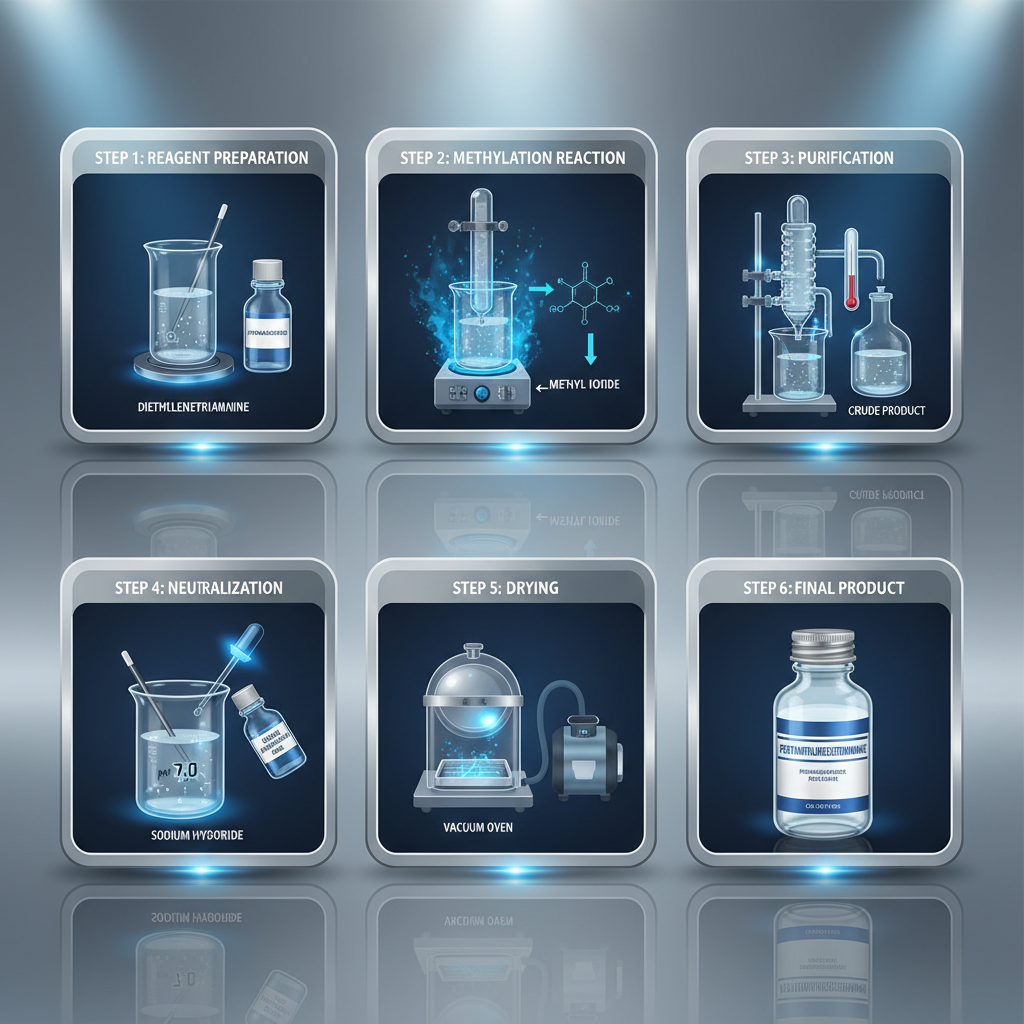
Chemical Structure and Core Properties of Pentamethyldiethylenetriamine
The efficiency of pentamethyldiethylenetriamine stems from its specific arrangement of nitrogen atoms. As a polyamine, it possesses multiple active sites that can interact with resins and other reactive monomers. This structural characteristic enhances its solvency and reactivity, allowing it to function as an effective catalyst in the synthesis of polyurethane foams and epoxy resins. Its ability to maintain stability under varied thermal conditions makes it a preferred choice for high-temperature industrial processes. Moreover, its alkaline nature allows it to neutralize acidic components during complex chemical reactions, ensuring a balanced pH environment.
Technical Insight: The tertiary amine groups within the molecule reduce the volatility compared to primary amines, providing a safer handling profile while maintaining high catalytic activity in polymer networks.
Key Industrial Applications for Pentamethyldiethylenetriamine
The versatility of pentamethyldiethylenetriamine allows it to serve multiple sectors. In the plastics industry, it is often used as a curing agent for epoxy resins, promoting faster cross-linking and enhancing the mechanical strength of the final product. In the pharmaceutical sector, it serves as a building block for the synthesis of various active pharmaceutical ingredients (APIs). Additionally, it is utilized in the production of fuel additives and corrosion inhibitors, where its amine functionality helps in bonding to metal surfaces to create a protective layer. Its role in the polyurethane industry is particularly critical for controlling the "blowing" and "gelling" reactions.
Primary Usage Areas:
• Polyurethane foam production (Catalyst)
• Epoxy resin curing (Hardener/Accelerator)
• Specialty chemical synthesis (Intermediate)
• Metal treatment (Corrosion inhibition)
Comparison: Pentamethyldiethylenetriamine vs. Standard Aliphatic Amines
When choosing between pentamethyldiethylenetriamine and standard aliphatic amines, the decision usually depends on the required reaction speed and the desired properties of the final polymer. While standard amines are often cheaper, they may lack the specific catalytic precision offered by the methylated structure of this compound. The higher degree of substitution in this molecule reduces unwanted side reactions and provides a more controlled curing process. This results in a more uniform product structure and improved thermal stability in the end-user application.
Handling and Storage of Pentamethyldiethylenetriamine
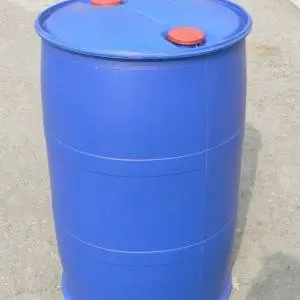
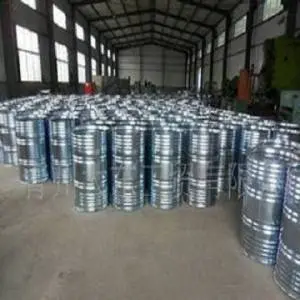
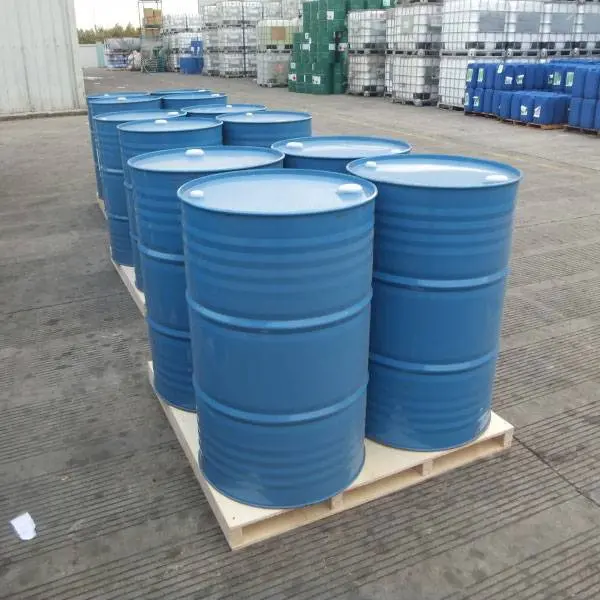
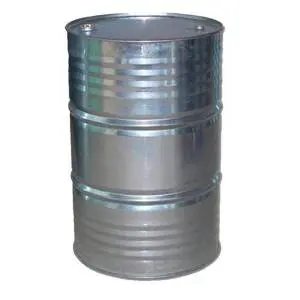
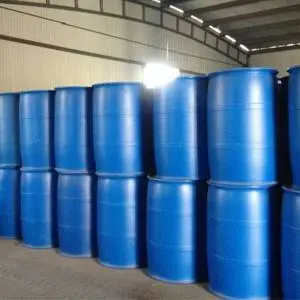
Due to its alkaline nature, pentamethyldiethylenetriamine must be handled with strict adherence to safety protocols. It is recommended to use corrosion-resistant containers, such as stainless steel or high-density polyethylene (HDPE), to prevent contamination and degradation. Storage areas should be cool, dry, and well-ventilated, far away from strong oxidizing agents and acids. Personnel should wear appropriate personal protective equipment (PPE), including chemical-resistant gloves and goggles, to avoid skin and eye irritation. Proper grounding of equipment during transfer is also essential to mitigate any static electrical risks associated with organic liquids.
Product Specifications for Pentamethyldiethylenetriamine
To ensure consistent performance in industrial applications, it is vital to source pentamethyldiethylenetriamine that meets rigorous purity standards. Impurities, such as moisture or residual reactants, can lead to unpredictable reaction rates or defects in the final polymer matrix. High-grade versions of this chemical are typically characterized by low water content and a high assay percentage. Below is a detailed specification table reflecting the standard industrial requirements for this compound.
Conclusion: Optimizing Production with Pentamethyldiethylenetriamine
The strategic use of pentamethyldiethylenetriamine provides a significant competitive edge in the production of high-performance polymers and specialty chemicals. Its superior catalytic properties, combined with its stability and versatility, make it a cornerstone for innovation in epoxy and polyurethane chemistry. By adhering to strict purity standards and safe handling practices, manufacturers can achieve unparalleled consistency and quality in their end products. For those looking to enhance their chemical processes, investing in high-purity amine solutions is a step toward industrial excellence.
Frequently Asked Questions (FAQs)
What makes pentamethyldiethylenetriamine different from other polyamines?
The primary difference lies in the methylation of the nitrogen atoms. In pentamethyldiethylenetriamine, the substitution of hydrogen with methyl groups modifies the basicity and steric hindrance of the molecule. This allows for a more controlled catalytic reaction, reducing the likelihood of "over-reacting" or creating uneven cross-links in resins, which is a common issue with simpler, primary aliphatic amines. This precision is critical for aerospace and automotive grade adhesives.
How does this chemical affect the curing time of epoxy resins?
As a tertiary amine, it typically acts as an accelerator or a catalyst rather than just a stoichiometric hardener. When added to an epoxy system, it lowers the activation energy required for the curing reaction, thereby significantly reducing the curing time (accelerating the "set time"). This allows manufacturers to increase throughput in production lines. However, the exact dosage must be carefully calibrated to avoid exothermic peaks that could lead to thermal degradation or cracking of the resin.
Is pentamethyldiethylenetriamine compatible with all types of polyurethane?
While it is highly compatible with most polyurethane systems, its effect varies depending on whether the system is rigid or flexible. In rigid foams, it helps in achieving a stable cell structure by balancing the blowing and gelling reactions. In flexible foams, it can be used to fine-tune the elasticity and hardness. However, users should always conduct a small-scale compatibility test to ensure that the amine does not cause premature gelation or unwanted discoloration in specific polymer blends.
What are the safety precautions for transporting this substance?
Transporting pentamethyldiethylenetriamine requires compliance with hazardous material regulations due to its corrosiveness. It should be shipped in UN-approved containers that are leak-proof and clearly labeled. Shipping documents must include a current Safety Data Sheet (SDS) providing emergency response instructions. It is essential to ensure that the transport vehicle is equipped to handle chemical spills and that the driver is trained in the handling of alkaline organic compounds to prevent environmental contamination.
Post time: Apr . 16, 2026 02:35