
Welcome to
Shijiazhuang Sincere Chemicals Co., Ltd.!


Notizia
-
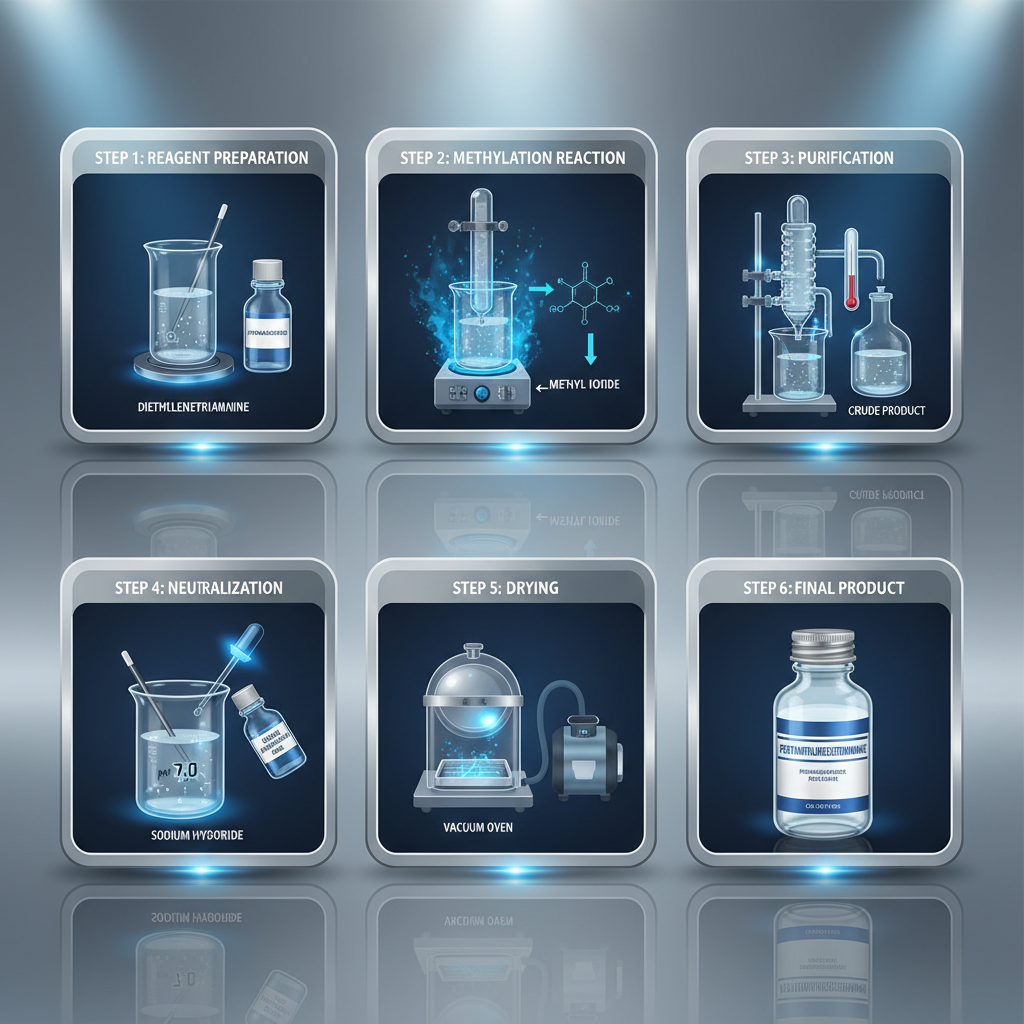 In the sophisticated world of chemical synthesis and industrial engineering, specialized amines play a pivotal role. Pentamethyldiethylenetriamine is a high-performance tertiary amine used extensively as a catalyst, intermediate, and curing agent. Its unique molecular structure allows it to facilitate complex reactions with high efficiency, making it indispensable in the production of polymers and specialty chemicals. For professionals seeking high-purity chemical solutions, understanding the technical nuances of this compound is key to optimizing production yields and product quality. This guide explores its chemical behavior, practical uses, and technical specifications.Per saperne di più
 -
 In the complex world of organic chemistry, secondary amines play a pivotal role as building blocks for a vast array of industrial applications. Among these, n methylcyclohexanamine serves as a critical intermediate, valued for its unique cyclic structure and reactivity. Whether it is used in the synthesis of pharmaceuticals, the production of specialized rubber chemicals, or as a catalyst in polymer science, this compound offers a balance of stability and versatility. Understanding its chemical behavior and handling requirements is essential for engineers and chemists aiming to optimize their production processes. This guide explores the technical nuances and commercial importance of this essential chemical.Per saperne di più
 -
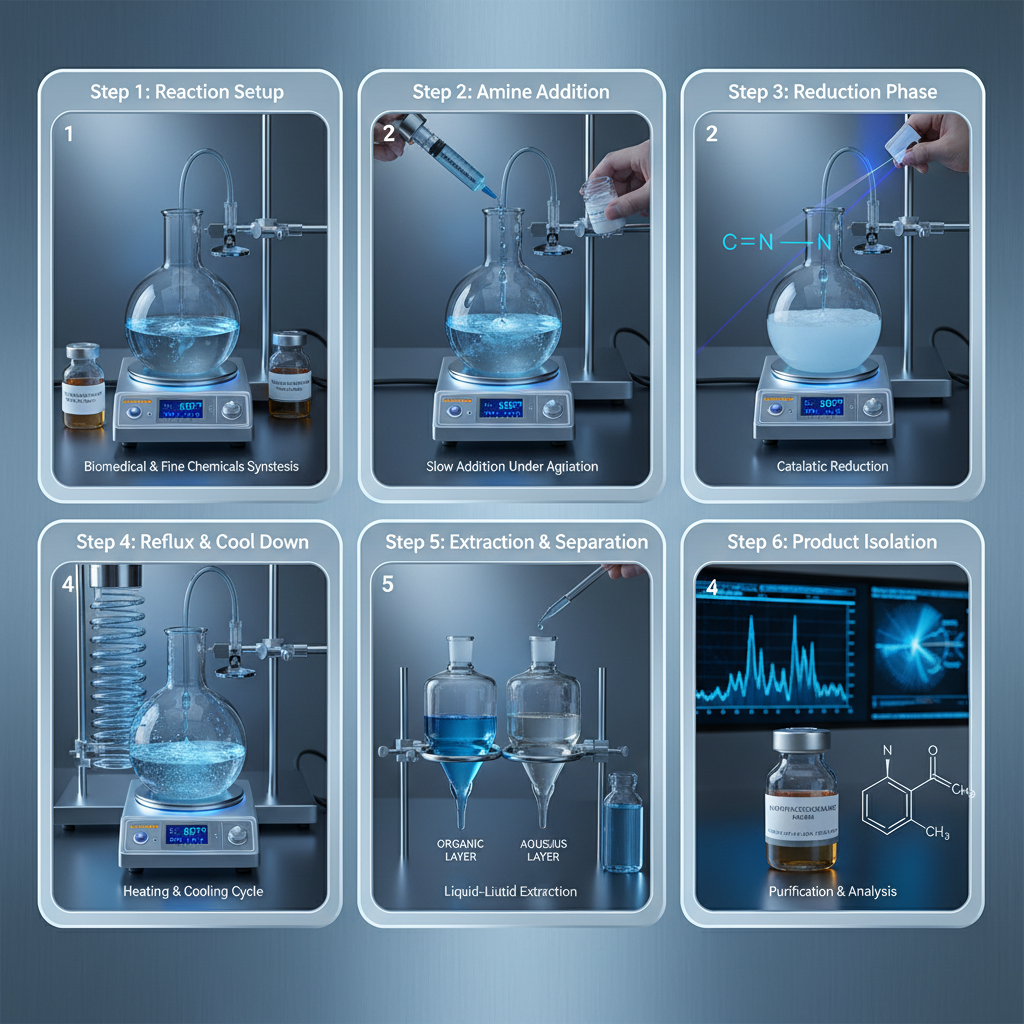 N Methyl Cyclohexylamine is a versatile organic compound with a range of applications across various industries. It's an important building block in pharmaceutical synthesis, agrochemicals, and rubber processing. Understanding its properties, applications, and safety considerations is crucial for anyone working with this chemical. Sincere Chemicals provides high-quality N Methyl Cyclohexylamine to meet diverse industrial needs. We delve into the specifics of this compound, offering insights for both seasoned professionals and those new to its applications.Per saperne di più
 -
 n-Cyclohexyl-n-methylcyclohexanamine, a complex amine compound, plays a crucial role in various chemical applications, particularly as a chemical intermediate. Its unique structure and properties make it valuable in the synthesis of pharmaceuticals, agrochemicals, and specialty chemicals. This article provides a comprehensive overview of this compound, exploring its chemical characteristics, manufacturing processes, quality control measures, and diverse industrial applications.Per saperne di più
 -
 4 Methylcyclohexylamine is a versatile chemical intermediate widely used in the pharmaceutical, agrochemical, and specialty chemical industries. This cycloalkylamine serves as a crucial building block for synthesizing various compounds due to its unique chemical properties. At Sincere Chemicals, we provide high-quality 4 Methylcyclohexylamine tailored to meet diverse industrial needs. This article will delve into its properties, applications, safety considerations, and how to source a reliable supply.Per saperne di più
 -
 4 Methylcyclohexanamine is a versatile chemical intermediate gaining importance in pharmaceutical synthesis, agrochemical development, and specialty chemical manufacturing. Its unique cyclohexylamine structure makes it a valuable building block for creating complex molecules with diverse applications. This article provides a comprehensive overview of 4 Methylcyclohexanamine, covering its properties, uses, safety considerations, and sourcing options from a reliable supplier like Sincere Chemicals. Understanding this compound is crucial for researchers and manufacturers seeking high-quality chemical building blocks.Per saperne di più
 -
 4 4 Methylenebis 2 methylcyclohexylamine (also known as MBCA) is a crucial chemical intermediate widely utilized in the production of polyurethane elastomers, adhesives, and coatings. Its unique properties contribute to the durability, flexibility, and overall performance of these end products. Sincere Chemicals specializes in the production and global distribution of high-quality MBCA, serving a diverse range of industries. Understanding the characteristics and applications of MBCA is paramount for optimizing product formulations and achieving desired performance characteristics. This article will provide an in-depth look at its properties, applications, safety considerations, and sourcing options. MBCA is a cycloaliphatic diamine, appearing as a clear to slightly yellow liquid. Its molecular formula is C13H26N2, and it boasts a relatively high boiling point, making it suitable for high-temperature processing. A key characteristic is its relatively low vapor pressure, reducing concerns about volatile emissions during handling and application. It exhibits excellent reactivity with isocyanates, forming robust polyurethane linkages. Furthermore, its cycloaliphatic structure contributes to improved UV resistance and color stability in the final products.Per saperne di più
 -
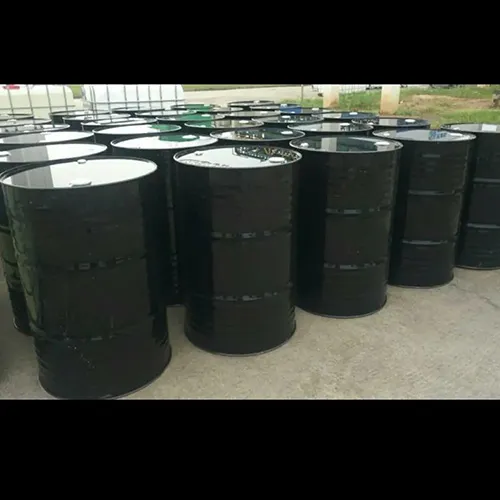 Discover BDMA catalyst solutions for polyurethane and epoxy resin applications. High-purity chemical with superior catalytic efficiency. Shijiazhuang Sincere Chemicals ensures quality. Explore: https://www.sincerechemicals.com/n-n-dimethylbenzylamine-bdma.htmlPer saperne di più
 -
Discover BDMA catalyst solutions for polyurethane and epoxy resin applications. High-purity chemical with superior catalytic efficiency. Shijiazhuang Sincere Chemicals ensures quality. Explore: https://www.sincerechemicals.com/n-n-dimethylbenzylamine-bdma.htmlPer saperne di più
-
 2 Methylcyclohexyl amine is a versatile chemical intermediate utilized in the pharmaceutical, agrochemical, and specialty chemical industries. Its unique cyclohexyl structure imparts specific properties to the compounds it helps create. This article provides a comprehensive overview of its applications, chemical properties, safety considerations, and sourcing options, focusing on quality and reliability. Sincere Chemicals is a trusted supplier of high-purity 2 Methylcyclohexyl amine, serving global clients with commitment to excellence. The primary use of 2 Methylcyclohexyl amine lies in its role as a building block for more complex molecules. In the pharmaceutical industry, it’s crucial for synthesizing various drug candidates, often contributing to enhanced bioavailability and targeted delivery. In agrochemicals, it’s employed in the production of herbicides and pesticides. Furthermore, it's utilized in the creation of specialized polymers, surfactants, and corrosion inhibitors.Per saperne di più
 -
 1 Methylcyclohexylamine is a versatile chemical intermediate finding increasing use in pharmaceutical synthesis, agrochemical production, and various other industrial applications. Its unique cyclohexylamine structure contributes to desirable properties in the final products. This article explores the chemical properties of 1 Methylcyclohexylamine, its common applications, safety considerations, and the importance of reliable sourcing from a reputable supplier like Sincere Chemicals. Understanding these factors is crucial for ensuring successful and safe implementation in your processes. 1 Methylcyclohexylamine, with the CAS number 6936-34-5, is a clear to slightly yellow liquid. It is an aliphatic amine possessing a characteristic odor. Its molecular formula is C7H15N, and it has a molecular weight of 113.20 g/mol. Key properties include its miscibility with organic solvents and its reactivity as a nucleophile, making it a valuable building block for more complex molecules. The amine group allows for a range of chemical transformations, including alkylation, acylation, and salt formation.Per saperne di più
 -
 1 Methyl Cyclohexylamine (CAS No: 6851-84-2) is a versatile chemical intermediate with growing significance in pharmaceutical synthesis, agrochemical production, and other specialized applications. This cycloalkylamine offers unique properties that make it a valuable building block for complex molecular structures. We, at Sincere Chemicals, specialize in the supply of high-quality 1 Methyl Cyclohexylamine, ensuring purity and reliability for your research and production needs. Understanding its characteristics and applications is crucial for effective utilization. 1 Methyl Cyclohexylamine is a colorless to pale yellow liquid with a characteristic amine odor. Its molecular formula is C7H15N, and its molecular weight is approximately 113.20 g/mol. It exhibits typical amine reactivity, undergoing reactions such as acylation, alkylation, and salt formation. Key physical properties include a boiling point around 130-135°C and a density of approximately 0.84 g/cm³. It's important to note that this chemical is corrosive and should be handled with appropriate safety precautions, including wearing protective gloves and eyewear. Its solubility in organic solvents makes it convenient for use in diverse chemical processes.Per saperne di più