

Potassium Iodate Function – Industrial Uses & Specifications
Understanding the Function of potassium iodate in Industrial Applications
Having spent over a decade in the industrial equipment sector, I’ve come across an array of chemicals whose practical roles sometimes aren’t fully appreciated outside the industry bubble. Potassium iodate is one of those compounds that, while seemingly simple chemically, plays some pretty crucial roles in various industrial processes. Frankly, it’s a compound that felt almost invisible at times—until I really dug into its function.
At its core, potassium iodate (KIO3) is a strong oxidizing agent. Oddly enough, that oxidizing property is what makes it invaluable for stabilization and preservation tasks, especially when precise chemical balances are required on the shop floor.
How does potassium iodate function?
In real terms, potassium iodate is often used as a source of iodine, especially in the food industry where iodine deficiency is a health concern. But in industrial settings, its oxidative strength is harnessed in water treatment and process control. I remember a customer telling me about how switching from potassium iodide to potassium iodate improved the reliability of their iodometric titrations—a subtle change but one that cut down errors significantly.
Beyond its oxidative function, it stabilizes other compounds by preventing reduction reactions that could cause spoilage or unwanted side reactions. This balancing act means it’s also used in photographic processing developers and even as an additive in some types of animal feed, ensuring the nutrient stability lasts longer.
| Specification | Value |
|---|---|
| Chemical Formula | KIO3 |
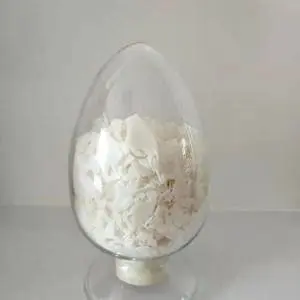
| Appearance | White crystalline powder |
| Purity | ≥ 99.0% |
| Solubility in water | About 8.5 g/100 mL at 25°C |
| Melting Point | 560 °C (decomposes) |
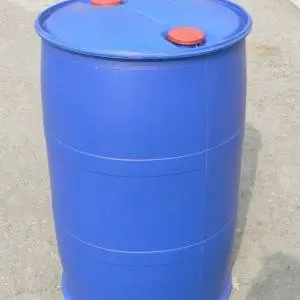
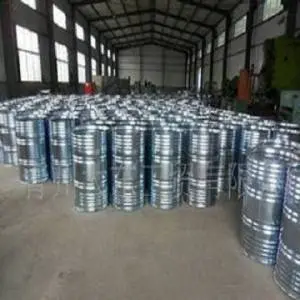
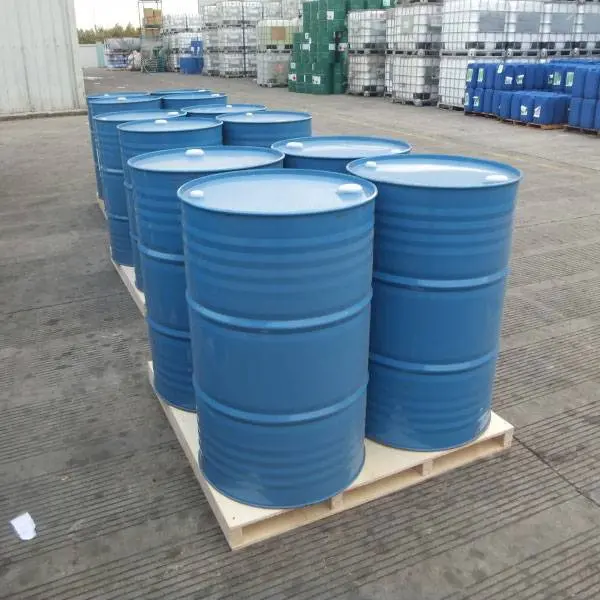
| Packaging | 25 kg bags or drums |
Comparing potassium iodate from leading vendors
Over the years, I’ve noticed that not all potassium iodate products perform equally, especially when used in highly sensitive industrial environments. This table spells out some differences I commonly see:
| Vendor | Purity (%) | Particle Size (μm) | Typical Applications | Packaging Options |
|---|---|---|---|---|
| Sincere Chemicals | ≥ 99.5 | 20-50 (fine powder) | Water treatment, iodine supplementation | 25 kg bags, bulk drums |
| Alpha Industries | 99.0 | 50-100 (coarser) | Photographic chemicals, iodometric analysis | 20 kg bags |
| Delta Chemicals | 98.5+ | 30-60 | Feed additives, disinfectant formulas | 25 kg bags |
One thing you notice when working with these vendors is how crucial consistent particle size and purity are, especially if you’re mixing potassium iodate into other compounds or using it in automated dosing equipment. It’s the kind of detail that, honestly, many engineers say can make or break the application.
Speaking of applications, a memory that sticks out is a small, family-run water purification plant I visited. They had been struggling with oxidation-related inefficiencies and contamination issues. After introducing potassium iodate sourced from a reliable vendor, their system stabilized noticeably. I suppose it was a good reminder of how chemistry in industry is often about precise, measured improvements rather than dramatic overhauls.
To wrap up, if you’re considering potassium iodate for your process, balancing purity, particle size, and application method is key. Oddly enough, having reliable supply chain partners, like Sincere Chemicals, often makes the biggest difference—not just the specs on paper.
Sometimes, the little things hidden in a white crystalline powder lead to big wins.
References:
1. Industry Water Treatment Journal, 2023 Edition.
2. “Oxidizing Agents in Industrial Processes,” ChemTech Review, 2022.
3. Manufacturer Documentation, Sincere Chemicals Product Sheet.
Post time: Jan . 05, 2026 07:15