

Choosing 4-Methylmorpholine N-oxide: Application Fit and Specification Checks
THE BUYER'S GUIDE / SELECTION
Choosing 4-Methylmorpholine N-oxide: Application Fit and Specification Checks
4-Methylmorpholine N-oxide (NMMO) is a versatile chemical used as a co-oxidant, non-metallic catalyst, and high-performance cellulose solvent. This guide helps procurement teams and formulators evaluate whether the product's confirmed specifications — including its 49–51% concentration range, pH, and appearance — match their intended application, from pharmaceutical intermediates and organic synthesis to polyester foaming catalysts and asymmetric dihydroxylation reactions.

Application match: Confirm that your intended use — cellulose dissolution, asymmetric dihydroxylation co-oxidation, cyanosilylation catalysis, polyester foaming, or pharmaceutical intermediate synthesis — aligns with the confirmed use cases documented in the product specification.
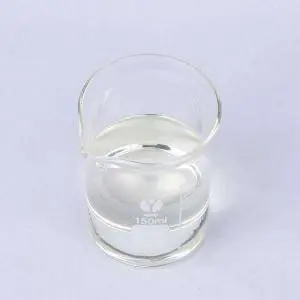
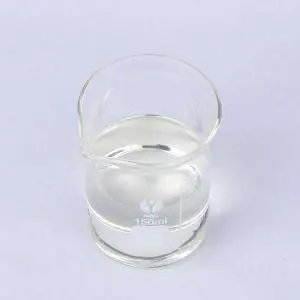
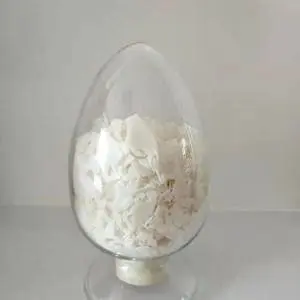
Physical form and concentration: The supplied product is a ~50 wt% colorless liquid (CAS 7529-22-8). Processes requiring an anhydrous form or the crystalline monohydrate must verify the physical form separately before ordering.
pH compatibility: The product has a confirmed pH of 10–11.5. Buyers should assess whether this weak alkalinity is compatible with pH-sensitive substrates, protecting groups, or buffered reaction systems.
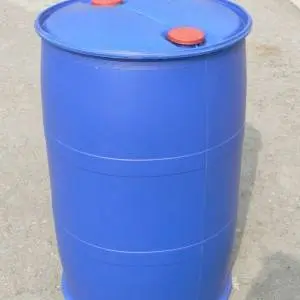
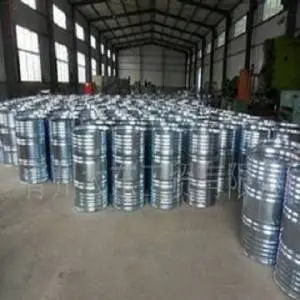
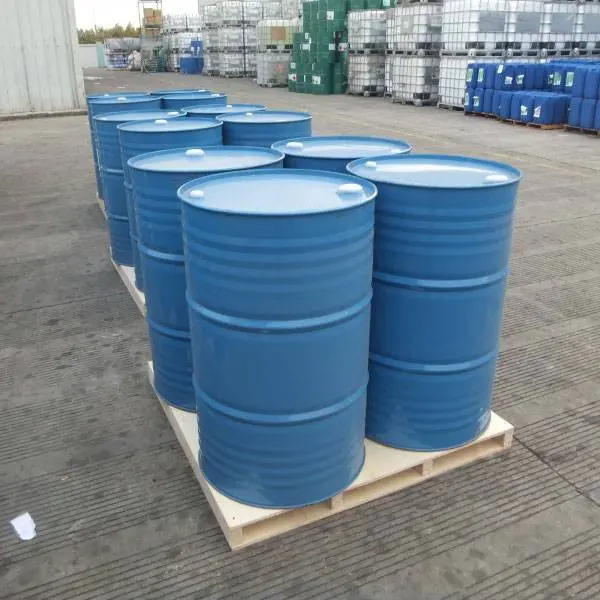
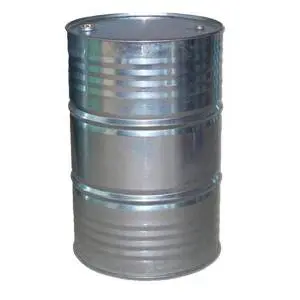
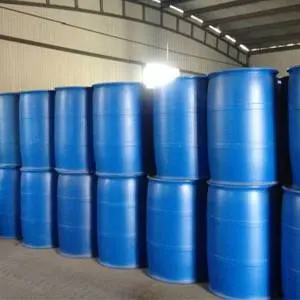
Packaging format and quantity: Standard packing is 200 kg plastic drum or IBC drum. Buyers requiring laboratory-scale or non-standard pack sizes should confirm availability directly with Shijiazhuang Sincere Chemicals Co., Ltd.
Quality and inspection requirements: The product description references an ISO Certificate, independent QC, and third-party inspection (SGS acceptable). Buyers requiring pharmacopeial, food-grade, or other specific certifications should independently verify these prior to purchase.
What Is 4-Methylmorpholine N-oxide?
4-Methylmorpholine N-oxide — also referred to as N-methylmorpholine oxide, NMMO, or by the CAS number 7529-22-8 — is a morpholine-derived amine oxide with molecular formula C₅H₁₁NO₂ and a molecular weight of 117.15. In the form supplied by Shijiazhuang Sincere Chemicals Co., Ltd., the product is a colorless liquid.
Its key physicochemical traits include strong solubility for cellulose, weak alkalinity, miscibility with water and ethanol, and strong hygroscopicity. Each molecule is reported to bind multiple crystal water molecules, which is why buyers should also look at the monohydrate form (4-methylmorpholine N-oxide monohydrate) when solid handling or a defined water activity is required.
Confirmed Specification Overview
Before assessing application fit, buyers should verify that the supplied grade aligns with their process tolerances. The confirmed specification for this product is:
| Parameter | Specification |
|---|---|
| Appearance | Colorless liquid |
| Content (%) | 49–51 |
| pH | 10–11.5 |
| EC | ≤ 100 |
| Molecular formula | C₅H₁₁NO₂ |
| Molecular weight | 117.15 |
| CAS No. | 7529-22-8 |
Note: The content specification shows an aqueous solution (~50 wt%). Processes that require an anhydrous or higher-purity form must confirm this separately.
Key Criteria for Selecting 4-Methylmorpholine N-oxide
When evaluating whether 4 methylmorpholine n oxide is the right reagent for your process, consider the following selection criteria derived from the confirmed product description.
1. Application Match — Does the Chemistry Fit?
The confirmed use cases for this product cover several distinct process types:
- Cellulose dissolution: NMMO is widely recognized as a high-performance solvent for plant cellulose, forming the basis of Lyocell-type fiber production and related biomass processing.
- Co-oxidant in asymmetric dihydroxylation: The product is described for use in mild asymmetric dihydroxylation reactions conducted in ionic liquid systems. Buyers running Sharpless-type or related catalytic oxidation chemistries should assess whether the pH range (10–11.5) and concentration level (49–51%) are compatible with their substrate and catalyst.
- Non-metallic catalyst for cyanosilylation of ketones: For synthetic chemistry teams working on cyanosilylation, NMMO serves as a non-metallic catalyst option, which can be relevant when metal contamination of the product is a concern.
- Foaming catalyst for polyester plastics: Formulators working with polyester foaming systems may use NMMO as a foaming catalyst.
- Organic synthesis solvent and pharmaceutical intermediates: The compound is described as an organic reagent with performance attributes suitable for use as a pharmaceutical intermediate.
Selection note: If your application falls outside these documented uses, the material data provided does not confirm suitability. Obtain independent technical assessment before proceeding.
2. Physical Form and Concentration Fit
The product is supplied as a colorless liquid at approximately 50 wt% concentration. Buyers must consider:
- Aqueous processes: A ~50% aqueous solution integrates directly into wet-chemistry workflows. However, for solvent applications requiring a near-anhydrous environment, this grade requires pre-drying or further processing.
- Monohydrate form: For applications that call specifically for 4-methylmorpholine N-oxide monohydrate (a crystalline solid), this liquid grade is a different physical form. Verify whether the process specification distinguishes between the liquid concentrate and the monohydrate.
- Hygroscopicity: The strong hygroscopicity noted in the product description means storage and handling conditions (sealed containers, dry environments) are important for maintaining concentration and preventing further water uptake.
3. pH Compatibility
The supplied material has a pH range of 10–11.5, indicating weak to moderate alkalinity. Key considerations:
- pH-sensitive substrates: Reactions involving acid-labile protecting groups, acid-sensitive intermediates, or pH-controlled enzyme systems should be assessed for compatibility with the 10–11.5 range before use.
- Buffer capacity: Buyers running reactions in buffered media should assess whether this alkalinity window interferes with their buffer system.
4. Packaging and Quantity Suitability
The confirmed packing options are 200 kg plastic drums and IBC drums. These formats are suited for:
- Pilot-scale and industrial-scale procurement
- Bulk distribution and re-packaging operations
Laboratory-scale buyers requiring smaller quantities should confirm availability of smaller pack sizes directly with Shijiazhuang Sincere Chemicals Co., Ltd., as this is not detailed in the confirmed product specification.
5. Quality Assurance Compatibility
The product description indicates a strict quality control system, an ISO Certificate, independent QC departments, and third-party inspection capability (including SGS). Free samples before order and inspection before shipment are stated as available. However:
- Third-party testing (e.g., SGS) is noted as acceptable, which is relevant for procurement teams that require pre-shipment inspection.
Application Fit Summary
| Application | Fit with Confirmed Spec? | Key Consideration |
|---|---|---|
| Cellulose dissolution (Lyocell-type) | Supported by product description | ~50% aqueous form; verify process water tolerance |
| Asymmetric dihydroxylation (co-oxidant) | Supported by product description | Check pH compatibility (10–11.5) with catalyst system |
| Cyanosilylation of ketones (non-metallic catalyst) | Supported by product description | Non-metallic; useful where metal contamination is a concern |
| Polyester foaming catalyst | Supported by product description | Confirm foam formulation compatibility |
| Pharmaceutical intermediates / organic synthesis | Supported by product description | Further purity/regulatory documentation may be required |
| Anhydrous or solid-form (monohydrate) processes | Confirm physical form requirement separately |
Questions to Ask Before Purchasing
Use this checklist when evaluating 4 methylmorpholine n oxide for your procurement:
- Does your process require anhydrous NMMO or the monohydrate crystalline form? If yes, verify the physical form before ordering.
- Is the 49–51% concentration range compatible with your dosing and reaction requirements?
- Is a pH of 10–11.5 acceptable for your substrate or reaction conditions?
- Do you require pharmacopeial, food-grade, or other specific regulatory certifications?
- What pack size do you need? The confirmed options are 200 kg drums and IBC; contact the supplier for other options.
- Do you require pre-shipment third-party inspection? SGS-type inspection is stated as acceptable per the product description.
About Shijiazhuang Sincere Chemicals Co., Ltd.
Shijiazhuang Sincere Chemicals Co., Ltd. has been producing morpholine and derivatives for more than fifteen years and reports a production capacity of more than 500 MT per month. The company states it exports around 60% of its production and has more than 20 years of chemical exporting experience. Products are exported to Europe, Southeast Asia, Korea, Japan, Taiwan, and other regions, and are applied in electronics, medicine, pesticides, veterinary drugs, dyes, water treatment, synthetic materials, and related fields.
THE PEOPLE

About the author
THE COMPANY
Shijiazhuang Sincere Chemicals Co., Ltd.
Shijiazhuang Sincere Chemicals Co., Ltd. was established in 2001,The company's main produce are:Hexamethylphosphoric triamide, Formamide,N,N,N,N’-Tetramethylethylenediamine,Dichlorodiethylether,4-Methylmorpholine,3,5-Dimethylpiperdine,1,2-diaminobenzene,ABL, etc.,Our products are exported to Europe, Southeast Asia, Korea, Japan, Taiwan and other countries and regions. Products are widely used in electronics, medicine, pesticides, veterinary drugs, dyes, water treatment, synthetic materials and many other fields.…
About Us ↗Visit company website ↗YOUR NEXT STEP
Bring your brief. Start a useful conversation.
Use case, specification, quantity and delivery window: make the next conversation specific.
Post time: Oct . 27, 2026 22:59