

Comprehensive Guide to Hexamethylphosphoric Acid Triamide – Uses, Benefits & Suppliers
Understanding Hexamethylphosphoric Acid Triamide: Why It Matters Globally
Hexamethylphosphoric acid triamide—quite the mouthful, right? Often abbreviated as HMPA, this chemical compound quietly but crucially impacts many sectors across the globe. While few may have it on their radar, grasping what this substance is and why it’s so relevant is surprisingly beneficial. From advanced industrial applications to emerging technologies, understanding hexamethylphosphoric acid triamide can shed light on innovation patterns that drive economic and humanitarian progress worldwide.
Globally, chemicals like HMPA contribute in subtle ways to everything from manufacturing high-performance materials to enabling safe handling of sensitive substances. The ripple effect is considerable, connecting regulation, sustainability, and industrial efficiency.
The Global Context: Why Hexamethylphosphoric Acid Triamide is in the Spotlight
According to the International Organization for Standardization (ISO), the demand for specialized organophosphorus compounds like hexamethylphosphoric acid triamide has increased steadily over the last decade. This rise stems largely from industries aiming for high thermal stability and improved solvation capabilities in harsh environments.
Meanwhile, emerging economies in Asia and Europe are investing heavily in chemical innovation to meet both modern industrial demands and stringent environmental regulations. The World Bank highlights that chemical manufacturing contributes nearly 20% to some developing nations’ GDPs, making efficient compounds like HMPA critical for competitive advantage.
One big problem that hexamethylphosphoric acid triamide helps address is the challenge of safely handling complex polymers and resins used in everything from aerospace parts to pharmaceutical manufacturing. Without chemical additives that can act as powerful solvents and stabilizers—roles HMPA often plays—many production lines could face costly inefficiencies or safety risks.
What Exactly is Hexamethylphosphoric Acid Triamide?
Put simply, hexamethylphosphoric acid triamide (HMPA) is an organophosphorus compound well-known for its powerful solvent properties. Chemically, it’s an amide derivative of phosphoric acid, where six methyl groups surround a phosphorus atom bonded to three amide groups. Fancy, yes, but what that really means is it’s an excellent polar aprotic solvent, skilled at dissolving a variety of inorganic salts and organic compounds under tough conditions.
Industries use HMPA for its ability to stabilize reaction intermediates and to enhance the performance of lithium batteries, polymer synthesis, and other processes requiring high polarity solvents. Oddly enough, while much chemistry loves water or alcohols as solvents, HMPA does something a bit different—it can dissolve things that aren’t very soluble otherwise, making tough reactions easier to control.
Its connection to humanitarian and industrial needs revolves around enabling safer, more efficient chemical manufacturing, which translates to better products, improved worker safety, and more sustainable processes.
Core Attributes of Hexamethylphosphoric Acid Triamide
1. Exceptional Solvation Power
HMPA’s unique molecular structure grants it excellent solvation ability, which enhances reaction rates. It can dissolve many difficult compounds, making it invaluable in research labs and industrial settings alike.
2. Thermal and Chemical Stability
This chemical remains stable at relatively high temperatures and resists degradation, an asset for procedures requiring precise temperature control or prolonged reactions.
3. Compatibility with Organometallic Reagents
Many synthetic pathways—especially in pharmaceuticals or advanced materials—depend on organometallic catalysts. HMPA improves catalyst performance by coordinating with metal centers without interfering.
4. Controlled Toxicity Levels
While HMPA must be handled with care due to its toxicity, advancements in safe handling and reformulated variants have made its use more feasible and widespread.
5. Versatility in Applications
Industries ranging from polymer chemistry to electrochemistry benefit from HMPA’s multifaceted nature, making it a go-to solvent and reagent enhancer.
Real-World Applications: Where Hexamethylphosphoric Acid Triamide Shines
If you ever wondered where this chemical is actually used, consider this:
- Pharmaceutical Industry: Enhances yield efficiency in complex drug syntheses and helps stabilize reactive intermediates.
- Battery Manufacturing: As a component in electrolytes, it improves lithium-ion battery performance, boosting energy density and cycle longevity.
- Polymer Sector: Supports the formation of specialty polymers used in aerospace or medical equipment, which demand precision and reliability.
- Academic and Industrial Research Labs: Facilitates chemical reactions that are otherwise difficult to achieve, speeding up innovation cycles.
In particular, emerging tech hubs in South Korea and Germany have adopted HMPA-based processes to refine their advanced materials production, which aligns closely with their sustainability goals.
Advantages & Long-Term Value of Hexamethylphosphoric Acid Triamide
Beyond just ticking technical checkboxes, HMPA’s benefits hit both the emotional and practical notes. For companies, it means cost savings by improving reaction efficiency, reducing waste, and enhancing product quality. For workers, using more stable and reliable chemicals contributes to safer working environments.
Moreover, HMPA fosters innovation, enabling new chemical pathways once considered too difficult or hazardous. There's a kind of quiet reassurance in knowing your processes rely on tried-and-tested chemistry that boosts trust with customers and regulators alike.
Hexamethylphosphoric Acid Triamide Product Specification Table
| Specification | Details |
|---|---|
| Chemical Formula | C6H18N3OP |
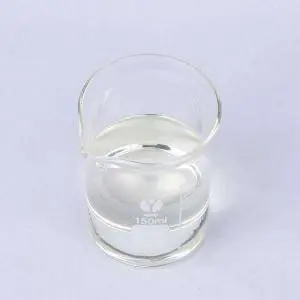
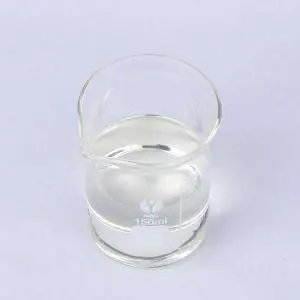
| Appearance | Colorless to pale yellow liquid |
| Boiling Point | 235 °C at 10 mmHg |
| Density | 1.104 g/cm³ at 20°C |
| Solubility | Miscible with most organic solvents |
| Toxicity | Moderate; requires careful handling |
Vendor Comparison: Choosing Your Hexamethylphosphoric Acid Triamide Supplier
| Supplier | Purity | Price (per kg) | Delivery Time | SDS & Compliance |
|---|---|---|---|---|
| Sincere Chemicals | >99.5% | $150 | 3–5 business days | Full ISO & REACH compliant |
| ChemPro Ltd. | 99.0% | $130 | 5–7 business days | Partial compliance |
| Global Chem Inc. | >99.3% | $165 | 7–10 business days | ISO compliant |
Looking Ahead: Future Trends and Innovations
Given the current environmental climate, I find it fascinating how the chemical industry is pushing to reformulate or replace hazardous solvents like HMPA with greener alternatives. Still, hexamethylphosphoric acid triamide remains highly relevant, especially with tweaks to reduce toxicity and improve biodegradability.
Digital transformation is another trend shaking up chemical procurement and application: from AI-driven formulation design to automated handling systems that mitigate human exposure risk. The integration of HMPA in such frameworks promises heightened efficiency and even safer workplaces.
Challenges in Using Hexamethylphosphoric Acid Triamide & How to Tackle Them
Frankly, one of the biggest downsides is its toxicity and disposal requirements. Mishandling can lead to serious health risks and environmental damage. But many chemists have found ways around this by employing engineered containment systems and substituting HMPA partially with less harmful co-solvents.
In research, the challenge is balancing performance with sustainability. The industry is actively developing alternative solvents, yet HMPA’s unique properties remain tough to replace entirely.
FAQ: Quick Answers About Hexamethylphosphoric Acid Triamide
- What makes hexamethylphosphoric acid triamide a preferred solvent in complex syntheses?
- Its powerful polarity and ability to stabilize reactive intermediates make it ideal for difficult chemical reactions that require high precision and yield.
- Can HMPA be safely used in everyday industrial applications?
- Yes, with proper PPE, handling protocols, and waste management. Many industries have established strict guidelines to minimize exposure risks.
- Is hexamethylphosphoric acid triamide eco-friendly?
- Not inherently, due to toxicity concerns. However, research into greener formulations and controlled usage improves its sustainability profile over time.
- How can companies source HMPA internationally without shipment delays?
- Choosing compliant suppliers with reliable logistics networks, like Sincere Chemicals, helps streamline imports and avoid regulatory hurdles.
In Conclusion: Why Hexamethylphosphoric Acid Triamide Still Holds Its Ground
All things considered, hexamethylphosphoric acid triamide plays a significant though understated role in modern chemistry and industry. It’s an enabler for advanced applications where efficiency and stability matter most. As technology evolves and greener approaches emerge, HMPA’s legacy will inform safer, smarter chemical processes worldwide.
Curious to explore more or source quality hexamethylphosphoric acid triamide? Visit Sincere Chemicals for reliable products and expert guidance.
References
Post time: Nov . 20, 2025 23:00