

Comprehensive Guide to Potassium Iodide How to Use and Emergency Preparedness
Potassium Iodide: How to Use and Essential Information
Potassium iodide (KI) is an important chemical compound with a variety of applications, most notably in thyroid protection during a nuclear emergency. Understanding how to use potassium iodide effectively and knowing its limitations are crucial for preparedness. This article provides a comprehensive guide to potassium iodide, its uses, dosage, storage, and potential side effects. We will also explore its role in various applications beyond emergency preparedness.
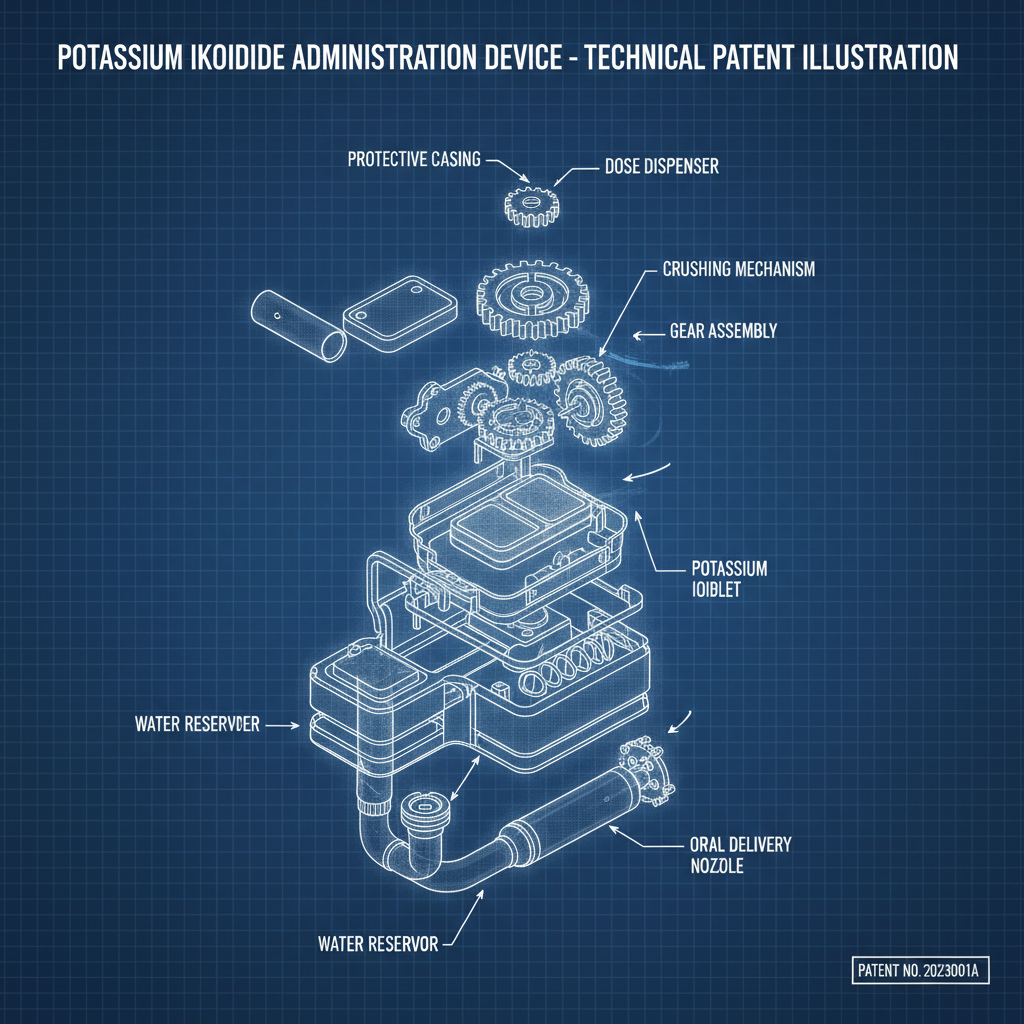
Understanding Potassium Iodide (KI)
Potassium iodide is a salt of potassium and iodine. It's a stable, readily available form of iodine. The primary function of KI is to saturate the thyroid gland with stable iodine, preventing the absorption of radioactive iodine in the event of a nuclear accident or attack. This prevents the thyroid from taking up radioactive iodine, reducing the risk of thyroid cancer. It's important to note that KI only protects against radioactive iodine and does not protect against other radioactive materials. Sincere Chemicals provides high-quality potassium iodide for various applications, including emergency preparedness.
Key Highlights: KI saturates the thyroid gland with stable iodine, preventing the absorption of radioactive iodine. It does not protect against other radioactive materials.
How to Use Potassium Iodide During a Nuclear Emergency
The correct dosage of potassium iodide is crucial. It varies based on age and, in some cases, pre-existing thyroid conditions. KI should only be taken when specifically advised by public health officials or emergency response authorities. Taking KI unnecessarily can have adverse effects. It's essential to follow official guidelines precisely. The typical dosage is as follows:
Beyond Nuclear Emergencies: Other Uses of Potassium Iodide
While best known for its role in nuclear preparedness, potassium iodide has other medical applications. Historically, it was used as an expectorant and antiseptic. Today, it is occasionally used to treat certain thyroid disorders, such as hyperthyroidism, under the supervision of a physician. It can also be used as a source of iodine in dietary supplements, although this is less common due to concerns about iodine excess. Contact Sincere Chemicals for specific product information and applications.
Additional Applications:
• Treatment of certain thyroid disorders
• Historically used as an expectorant
• Dietary supplement (less common)
Potassium Iodide: Storage and Shelf Life
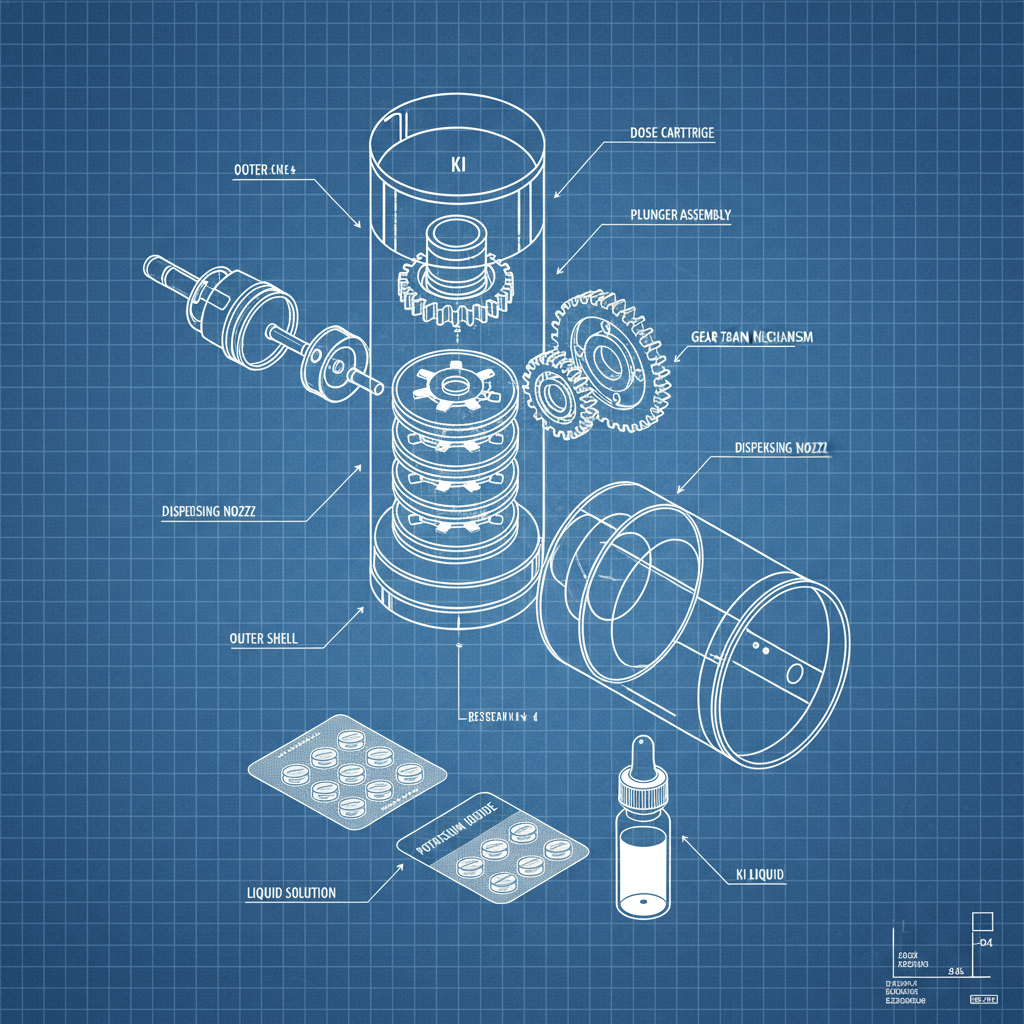
Proper storage is vital to maintain the effectiveness of potassium iodide. Tablets should be stored in a cool, dry place, away from direct sunlight and moisture. The shelf life of KI tablets is typically 5-10 years, but it’s crucial to check the expiration date on the packaging. It is recommended to replace expired tablets. Keep KI out of reach of children. Regularly inspect your supply to ensure the tablets haven't degraded or become damaged.
Potential Side Effects and Precautions
While KI is generally safe when taken as directed, it can cause side effects, especially in individuals with pre-existing thyroid conditions. Common side effects include nausea, vomiting, and allergic reactions. People with known iodine sensitivity, autoimmune thyroid disease (such as Hashimoto's thyroiditis), or a history of skin reactions to iodine should consult with a doctor before taking KI. Pregnant and breastfeeding women should also seek medical advice before using KI. Long-term use of KI can also affect thyroid function, so it should only be used as directed by healthcare professionals.
Conclusion: Preparedness and Responsible Use of Potassium Iodide
Understanding potassium iodide and its proper usage is essential for effective emergency preparedness. While it's a valuable tool in protecting the thyroid from radioactive iodine, it's crucial to remember it's not a universal radiation shield and should only be taken when advised by public health officials. Prioritizing preparedness, understanding the risks and benefits, and consulting with healthcare professionals are vital steps in ensuring a safe and informed response to a nuclear emergency.
Frequently Asked Questions (FAQs)
Is potassium iodide a substitute for evacuation?
No, potassium iodide (KI) is not a substitute for evacuation. KI only protects the thyroid gland from radioactive iodine. It does not shield the body from other radioactive materials or the effects of a nuclear explosion. Evacuation, sheltering in place, and following the instructions of emergency officials are the primary methods of protection in a nuclear emergency. KI should only be used as directed by authorities in conjunction with these protective measures.
Who should not take potassium iodide?
Individuals with certain medical conditions should avoid taking potassium iodide unless specifically instructed by a doctor. This includes people with known iodine sensitivity, autoimmune thyroid disease (like Hashimoto's thyroiditis), bullous pemphigoid, or a history of skin reactions to iodine. Pregnant and breastfeeding women should consult their physician before taking KI.
What are the common side effects of potassium iodide?
Common side effects of potassium iodide are generally mild and temporary. They can include nausea, vomiting, diarrhea, and metallic taste. Allergic reactions, such as skin rashes or swelling, are less common but can occur. If you experience any severe or concerning side effects after taking KI, seek medical attention immediately.
Can I get potassium iodide over the counter?
In many countries, potassium iodide is available over the counter, but it's best to obtain it from a reputable source like Sincere Chemicals to ensure quality and purity. However, it's crucial to remember that KI should only be taken when specifically recommended by public health authorities during a nuclear emergency. Do not self-medicate.
Post time: Jan . 27, 2026 22:25