

Understanding Potassium Iodide How to Take for Radiation Protection
Potassium Iodide How to Take: A Comprehensive Guide
Potassium iodide (KI) is an essential mineral often discussed in the context of radiation emergencies, particularly those involving radioactive iodine. Understanding how to take potassium iodide correctly is crucial for maximizing its protective benefits. This article provides a detailed guide on the proper usage, dosage, and considerations surrounding potassium iodide, ensuring you're prepared and informed. It is vitally important to note that KI only protects the thyroid gland and is not a general radiation protectant.
Understanding Potassium Iodide and its Role
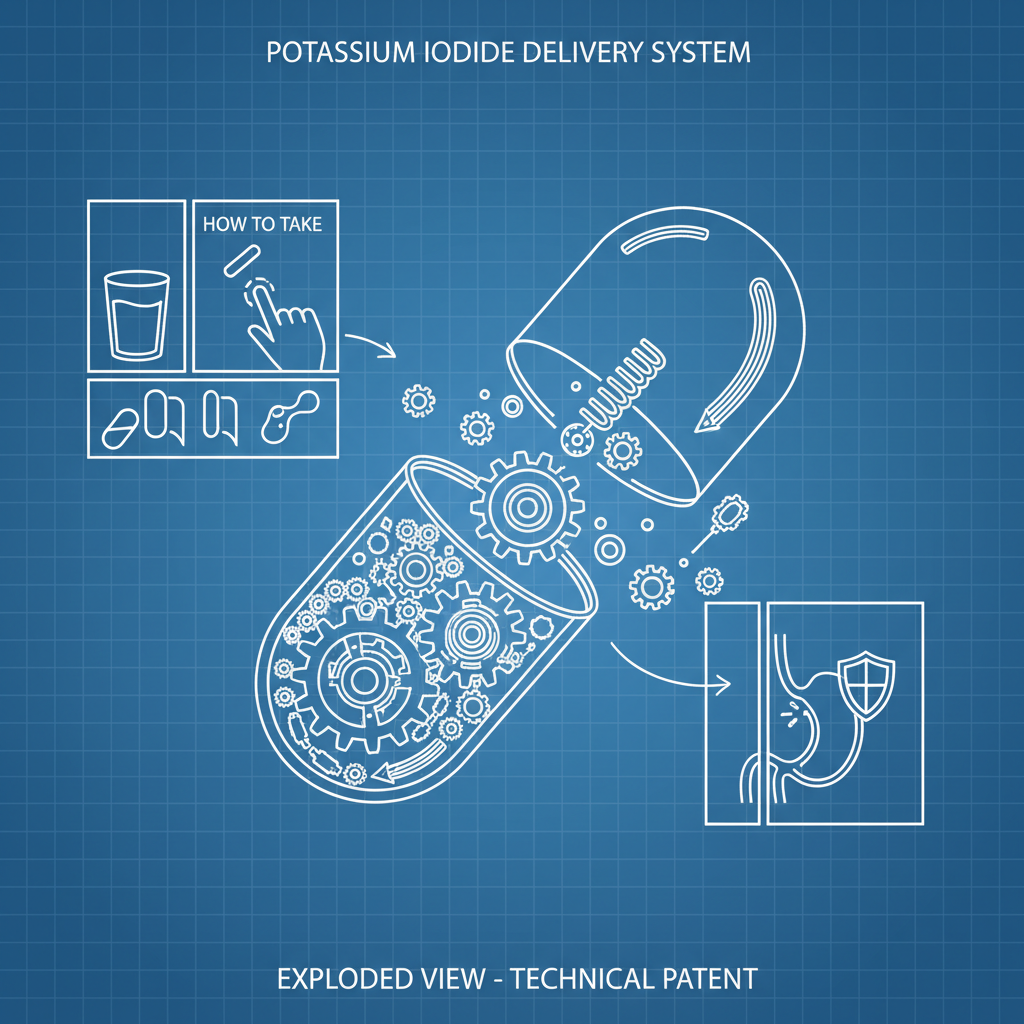
Potassium iodide works by saturating the thyroid gland with stable iodine. This prevents the absorption of radioactive iodine, which can cause thyroid cancer, particularly in children. During a nuclear event, radioactive iodine is released into the environment, posing a significant health risk. By flooding the thyroid with non-radioactive iodine from KI, the gland cannot absorb the harmful radioactive form. It's important to emphasize that KI is a thyroid blocker and does not shield against other radioactive materials or external radiation exposure. Therefore, it is one component of a broader emergency response plan.
Key Point: Potassium iodide is effective only against radioactive iodine and must be taken at the correct time to be beneficial.
Potassium Iodide Dosage: Age and Weight Considerations
The appropriate dosage of potassium iodide depends on age and body weight. Following official guidelines from health authorities (like the FDA or WHO) is critical. Taking too little may not provide sufficient protection, while exceeding the recommended dose can lead to adverse effects. Here’s a general guideline. Always consult with a healthcare professional during an actual emergency.
When to Take Potassium Iodide: Timing is Critical
The timing of KI administration is crucial. It should be taken at or shortly before exposure to radioactive iodine. Taking it too early, before a potential exposure, provides no benefit and may lead to unnecessary exposure to the medication itself. Health authorities will issue specific instructions during an emergency, and these instructions should be followed precisely. Do not proactively stockpile and self-administer without official direction.
Important Timing Considerations:
• Take KI after being advised by public health officials.
• Do not take it as a preventative measure unless specifically directed.
• Continue taking the prescribed dosage for the recommended duration (typically 24 hours to 10 days) as instructed.
Potential Side Effects and Precautions
While generally safe when taken as directed, potassium iodide can cause side effects in some individuals. Common side effects include mild stomach upset, nausea, and skin rashes. Rare but more serious side effects can occur, particularly in individuals with pre-existing thyroid conditions or iodine sensitivity. Individuals with known allergies to iodine should not take KI. Furthermore, prolonged use or excessive doses can potentially cause thyroid dysfunction. Sincere Chemicals provides high-quality Potassium Iodide, but always consult with a healthcare professional before using any medication.

Potassium Iodide: Storage and Shelf Life
Potassium iodide tablets have a limited shelf life. It's essential to check the expiration date on the packaging regularly and replace expired tablets. Store KI in a cool, dry place, away from direct sunlight and heat. Ensure the container is tightly sealed to prevent degradation. It is advisable to have a supply on hand in areas considered at risk of nuclear incidents, but remember to adhere to official guidance regarding its use.
Conclusion: Preparedness and Responsible Use
Understanding potassium iodide’s proper usage is a critical component of emergency preparedness. Remember, KI is not a universal radiation shield but a targeted thyroid protector. By following official guidance and understanding the dosage, timing, and potential side effects, you can maximize its effectiveness during a nuclear emergency. Staying informed and prepared is the best course of action.
Frequently Asked Questions (FAQs)
What should I do if I accidentally take too much potassium iodide?
If you suspect you've taken an excessive dose of potassium iodide, seek immediate medical attention. Symptoms of overdose can include nausea, vomiting, abdominal pain, and potentially more severe thyroid dysfunction. It's crucial to inform medical personnel of the amount taken and when it was ingested. They can assess your condition and provide appropriate treatment. Do not induce vomiting unless directed by a medical professional.
Can I use potassium iodide to protect against all types of radiation?
No, potassium iodide only protects the thyroid gland from radioactive iodine. It does not offer protection against other radioactive materials or external radiation exposure from sources like a dirty bomb or a nuclear blast. In the event of a broader radiation emergency, other protective measures, such as sheltering in place, evacuation, and decontamination, are necessary. KI is a specific countermeasure for a specific threat.
Is potassium iodide safe for people with thyroid problems?
Individuals with pre-existing thyroid conditions, such as hyperthyroidism, hypothyroidism, or Hashimoto's thyroiditis, should consult with their healthcare provider before taking potassium iodide. KI can potentially worsen certain thyroid conditions. It is crucial to receive personalized medical advice to determine if KI is appropriate and safe for your specific situation. Self-treating without medical guidance is strongly discouraged.
Where can I obtain potassium iodide?
Potassium iodide is available from various sources, including pharmacies, medical supply stores, and online retailers. Sincere Chemicals is a reliable supplier of pharmaceutical-grade potassium iodide. However, it is essential to purchase KI from a reputable source to ensure its quality and purity. Do not rely on unverified sources or purchase expired products.
Post time: Jan . 27, 2026 19:55