

Comprehensive Guide to Triethylenediamine TEDA - Uses, Benefits & Suppliers
Understanding Triethylenediamine (TEDA): A Global Perspective
Triethylenediamine, often referred to as TEDA, is one of those chemical compounds that quietly underpins a variety of industrial processes worldwide. Though it might not make headlines like lithium or graphene, its role is both strategic and surprisingly varied. Why tune in? Because TEDA isn’t just a lab curiosity—it's a key to unlocking chemical efficiency, safety, and sometimes, even sustainability challenges across the globe.
As industries push toward greener practices and smarter materials, knowing what triethylenediamine does and where it fits in can give manufacturers, chemists, and product developers a solid edge. Plus, its influence stretches across sectors—from pharmaceuticals to polymer production, leading to vital benefits both in emerging markets and developed economies.
Mini takeaway: Triethylenediamine bridges chemical innovation and practical applications, impacting global manufacturing and sustainability efforts.
Global Relevance of Triethylenediamine (TEDA)
Picking up data from ISO and global chemical trade boards, triethylenediamine stands out as a high-demand catalyst and intermediate. For example, the global catalyst market is projected to exceed $30 billion by 2025, with nitrogen-containing bases like TEDA playing a significant role.1 This basic organic compound serves as a backbone in the synthesis of various chemicals that feed into industries such as plastics, flame retardants, and pharmaceuticals — sectors that continue growing, especially in Asia-Pacific and North America.
Why is this important? The global challenge lies in manufacturing efficiency and safety. TEDA often crops up as a solution to improve reaction speeds and selectivity in chemical syntheses, reducing waste and energy use — which can’t be overstated in a world racing to lower its carbon footprint. Oddly enough, something so niche can have broader impact, implicitly contributing toward cleaner manufacturing.
Mini takeaway: Triethylenediamine addresses industrial challenges by streamlining chemical reactions and improving environmental outcomes worldwide.
What is Triethylenediamine (TEDA)?
Put simply, triethylenediamine is an organic compound with the formula C6H12N2. It’s basically a nitrogen-rich diamine — think of it as a molecule with two primary amino groups connected by three ethylene units. In chemistry terms, that structure makes TEDA a strong Lewis base and an effective catalyst.
Its properties make it an essential item in producing polyurethane foams, epoxy curing agents, and even some insecticides. I suppose what’s fascinating is that its use isn’t limited to heavy industry: TEDA helps create products that we interact with daily, from mattresses to car bumpers, and even in pharmaceutical formulations to stabilize active compounds.
triethylenediamine teda thus represents a vital bridge—between raw chemical feedstocks and useful end products, between industrial efficiency and responsible manufacturing.
Mini takeaway: TEDA is a versatile nitrogen-based compound pivotal for catalysis and polymer chemistry, with broad industrial applications.
Key Attributes of Triethylenediamine (TEDA)
1. Catalytic Efficiency
Its role as a catalyst is arguably TEDA’s signature trait. Thanks to its molecular structure, it accelerates reactions without being consumed. For polyurethane foam production, this means faster curing times, better foam stability, and improved product consistency.
2. Chemical Stability
Unlike some catalysts that break down or require special storage, triethylenediamine displays good thermal and chemical stability, enabling reuse and cost savings.
3. Cost-effectiveness
While not the cheapest chemical out there, TEDA’s ability to speed complex reactions reduces energy usage and waste, translating into overall cost reductions.
4. Safety Considerations
Though handling any chemical requires respect, TEDA is relatively manageable with proper workplace controls in place — a key factor for broader industrial uptake.
5. Versatility & Scalability
From lab-scale syntheses to large-scale polymer manufacturing, TEDA adapts easily, making it a favorite for industries seeking scalable solutions.
Mini takeaway: TEDA balances efficiency, durability, and scalability, making it a smart choice for diverse industrial processes.
Where Is Triethylenediamine (TEDA) Used Globally?
Its varied applications span:
- Polyurethane Industry: Used as a catalyst in flexible and rigid foam production globally, including booming markets in China, the US, and Europe.
- Pharmaceutical Synthesis: Intermediate in manufacturing certain active pharmaceutical ingredients (APIs).
- Flame Retardants: Exploited in creating safer, regulatory-compliant materials for electronics and construction.
- Agricultural Chemicals: Ingredient in pesticide and herbicide formulations improving crop yields.
For example, in Southeast Asia, where infrastructure projects demand quality polyurethane materials for insulation and construction, TEDA’s role becomes practically indispensable. Similarly, in Europe, where regulations push for sustainable chemical use, TEDA helps meet strict standards by enabling cleaner reaction pathways.
Mini takeaway: TEDA's global footprint spans multiple industries, supporting sustainable and efficient manufacturing in diverse regions.
Advantages & Long-Term Value of Using Triethylenediamine (TEDA)
Here’s the crux: TEDA is more than just "another chemical." The value it offers is multi-dimensional.
- Cost savings: By improving reaction rates, TEDA helps cut energy costs and resource waste.
- Environmental impact: More efficient syntheses mean fewer harmful byproducts and emissions.
- Reliability: Its consistency supports manufacturers in producing uniformly high-quality products.
- Innovation catalyst: Scientists rely on TEDA to experiment with new polymers and compounds.
On the emotional side of things, industries using TEDA often boast safer working environments, a nod to good corporate responsibility. Plus, it reassures end-users that products made with TEDA-enhanced materials meet high standards, which fosters trust.
Mini takeaway: TEDA brings tangible economic, environmental, and social benefits that compound over time.
Latest Trends and Innovations in TEDA Applications
With green chemistry and automation becoming buzzwords, TEDA is evolving too:
- Green Catalysis: New formulations aim to reduce TEDA’s environmental footprint further.
- Digital Process Control: Automated reactors now optimize TEDA-based reactions in real time, improving yields.
- Hybrid Materials Development: TEDA is being incorporated in composites to improve flame resistance without harmful additives.
- Recycling & Circular Economy: Research explores TEDA’s role in recyclability of polyurethane foams.
Such trends indicate TEDA won’t just be stuck in old labs or factories. It’s part of an industrial transformation that embraces sustainability and smart manufacturing.
Mini takeaway: Innovations around TEDA focus on sustainability, digital optimization, and advanced materials.
Common Challenges & How Experts Overcome Them
Despite its merits, TEDA isn’t without hurdles:
- Handling Precautions: Being basic and reactive, it requires careful storage and protective measures.
- Cost Volatility: Pricing can fluctuate with raw materials and energy markets.
- Regulatory Compliance: Some regions impose stricter environmental controls that can slow deployment.
Industry leaders mitigate these issues by:
- Investing in employee training and safety systems.
- Developing partnerships with reliable TEDA suppliers for steady pricing.
- Engaging early with regulators and innovating greener TEDA variants.
So, it’s not just about the chemical itself, but how it’s managed and integrated into broader operations.
Practical FAQ About Triethylenediamine (TEDA)
Q1: What makes triethylenediamine an effective catalyst in polyurethane foam production?
A1: TEDA’s molecular structure—rich in nitrogen atoms—enables it to accelerate the chemical reactions involved in foam curing efficiently. This reduces production time and improves foam stability, resulting in higher quality products at lower costs.
Q2: How safe is it to handle TEDA in large-scale manufacturing?
A2: While TEDA requires standard chemical safety procedures (gloves, eye protection, ventilation), it is relatively stable compared to other catalysts. Proper training and facilities ensure it can be used safely without major risks.
Q3: Can TEDA usage reduce environmental impact?
A3: Yes. By enhancing reaction efficiency, TEDA minimizes waste and energy consumption during manufacturing. This translates to less pollution and a smaller carbon footprint for chemical products.
Q4: Are there alternatives to TEDA for catalysis?
A4: Alternatives exist, such as other amine catalysts or metal complexes, but TEDA remains popular due to its balance of cost, effectiveness, and ease of handling.
Q5: How can international companies source quality TEDA?
A5: Reputable suppliers often certify their TEDA according to international standards. Importers should verify purity, regulatory compliance, and logistical support. triethylenediamine teda suppliers like Sincere Chemicals provide detailed specs and support for global clients.
Product Specification Table: Common TEDA Grades
| Property | Pure Grade (%) | Industrial Grade (%) | Typical Impurities |
|---|---|---|---|
| Purity | ≥ 99.0% | ≥ 95.0% | Water, amines |
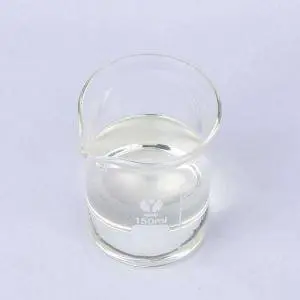
| Appearance | Colorless liquid | Colorless to pale yellow liquid | Trace organic solvents |
| Boiling Point | 270°C (approx.) | 270°C (approx.) | - |
| Density (20°C) | 0.92 g/cm³ | 0.92 g/cm³ | - |
Vendor Comparison: Leading TEDA Suppliers
| Supplier | Purity Options | Global Reach | Technical Support | Certifications |
|---|---|---|---|---|
| Sincere Chemicals | ≥ 99%, ≥ 95% | Asia, Europe, Americas | Dedicated technical team | ISO 9001, REACH |
| ChemPlus Corp. | ≥98%, custom blends | North America, Europe | Online support portal | ISO 14001 |
| Global Amines Inc. | ≥ 95%, bulk packaging | Global | 24/7 emergency support | REACH compliant |
Wrapping Up: Why Triethylenediamine (TEDA) Matters
In industrial chemistry’s sprawling landscape, triethylenediamine might feel like another cog—but it’s a finely calibrated one. Its capacity to catalyze reactions efficiently and reliably touches everything from safety-conscious construction materials to the medicines that keep us healthy. Many engineers and chemists I’ve talked with underscore TEDA as a “quiet workhorse,” and after digging into its many applications, that feels like a spot-on description.
As the manufacturing world leans toward sustainability without sacrificing performance or cost, compounds like triethylenediamine teda will only grow in importance. If you’re involved in chemical formulation, polymer production, or simply curious about the tiny molecules that shape our big industries — TEDA deserves your attention.
Feel free to visit https://www.sincerechemicals.com for detailed product info, technical support, and ordering options.
References
Post time: Dec . 13, 2025 17:40