

High-Quality Potassium Iodide for Industrial Use | Sincere Chemicals
Understanding Potassium Iodide: A Staple in Industrial and Chemical Applications
Having worked in industrial chemical supply for over a decade, I’ve developed a bit of a soft spot for compounds like potassium iodide. It’s one of those quietly essential chemicals that rarely gets front-page glory but keeps a surprising number of processes running smoothly. Oddly enough, not many outside the field realize just how versatile and important it is. So, let’s dive into what potassium iodide is all about, how it’s used industrially, and what makes it tick.
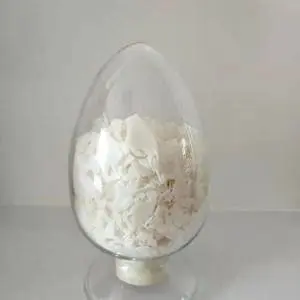
First, to be clear, potassium iodide (KI) is a simple inorganic salt. It’s typically a white crystalline solid, highly soluble in water, and stable under standard conditions. In the industrial world, KI is prized for its ability to provide a reliable iodide source — whether in chemical synthesis, pharmaceutical production, or even as a contrast agent in medical imaging.
One thing I always emphasize when ordering potassium iodide is the purity and particle size, which can seriously affect performance in sensitive manufacturing lines. Frankly, not all suppliers provide consistent quality, and that variability can cause real headaches on the production floor.
| Specification | Typical Value | Notes |
|---|---|---|
| Chemical Formula | KI | Potassium Iodide |
| Appearance | White crystalline powder | Highly pure |
| Solubility in Water | 140 g/100 mL (20°C) | Highly soluble |
| Purity | ≥ 99.5% | Assures effectiveness |
| Particle size | >100 mesh | Important for flow and dissolution rates |
The thing about potassium iodide is its adaptability. For example, in the pharmaceutical industry, it serves as an expectorant or thyroid-protective agent during nuclear emergencies. But I suppose the industrial uses are just as important: it’s essential in photographic chemicals, as a reagent in analytical chemistry, and even in animal feed additives.
I recall a client from a textile dyeing factory once sharing how switching to a higher-grade potassium iodide batch reduced their reject rate significantly – simply because the impurities were causing unwanted side reactions. It’s details like that that remind me how “the devil is in the details” with chemicals of this class.
When it comes to selecting a vendor, things can get tricky. Price isn’t always indicative of quality. Sometimes, an “economy” grade will contain moisture or trace contaminants that skew lab results. From my experience, it’s crucial to look beyond the sticker and verify specs and certificates where possible.
| Supplier | Purity (%) | Particle Size | Typical Price (per kg) | Certifications |
|---|---|---|---|---|
| Sincere Chemicals | ≥ 99.5% | >100 mesh | $20 - $25 | ISO9001, SGS tested |
| Generic Supplier A | 98.0% | >80 mesh | $15 - $18 | No certification |
| Supplier B Chemicals | 99.0% | >120 mesh | $22 - $27 | ISOCertified only |
I also want to mention how customization can come into play — certain IP-sensitive manufacturing scenarios require potassium iodide blended with anti-caking agents or specific particle-size distributions for optimized handling. If you find yourself needing such tweaks, vendors who understand your process make a world of difference.
Now, I’m not here to hype one supplier over another arbitrarily, but you do get what you pay for more often than not. I’ve found that potassium iodide from reputable providers like Sincere Chemicals stays consistent batch after batch — crucial for quality control and production reliability.
In real terms, evaluating chemical suppliers means scrutinizing product specs, batch testing data, logistics, and service quality. Those take time but pay off in the long run. So, next time you’re purchasing potassium iodide, consider those factors carefully rather than chasing the lowest bid.
It feels like I’ve rambled a bit, but honestly, having stood on the factory floor watching a chemical reaction fail due to an inferior batch makes me appreciate the subtleties involved. Potassium iodide may look simple, but it’s part of a giant puzzle.
To sum up: potassium iodide is a quietly indispensable chemical with uses stretching from pharmaceuticals to industrial synthesis. Its quality impacts results significantly — hence the importance of trusted sourcing and specification control. If you’re in the market, don’t overlook this.
References:
1. “Potassium Iodide (KI) Technical Datasheet,” Sincere Chemicals.
2. “Industrial Applications of Potassium Iodide,” Journal of Chemical Technology.
3. Personal communications and field observations, 2012–2024.
Post time: Dec . 10, 2025 10:25