

Leading Iodine Manufacturers: Quality, Innovation & Global Impact
The Essential Role of Iodine Manufacturers in a Modern World
Iodine might not always be the first thing that springs to mind when thinking about essential global commodities, but the manufacturers behind it play a quietly critical role—both industrially and in public health. Globally, iodine manufacturers provide the vital raw material that supports everything from life-saving medical diagnostics to agriculture and advanced electronics. Understanding who they are, what challenges they face, and how their products benefit millions worldwide is key to appreciating the supply chains and innovations that drive modern society.
Why Iodine Manufacturers Matter Worldwide
To grasp the importance of iodine manufacturers, consider this: the global iodine market was valued at over $700 million in recent years, and demand is only increasing. According to data from the United Nations and industry bodies, iodine production is essential for supplying sectors that range from nutritional supplements that prevent iodine deficiency disorders, to antiseptics, and even to high-tech uses like LCD displays. Yet, resource scarcity and geopolitical factors have sparked concerns over the stability of supply chains. This creates challenges for both countries reliant on iodine imports and manufacturers aiming for consistent, sustainable production.
The global health picture underlines this urgency. The World Health Organization highlights iodine deficiency as a preventable cause of cognitive impairments globally. Here, manufacturers aren’t just chemical suppliers—they’re critical players in public health strategies that improve life outcomes.
Defining Iodine Manufacturers and Their Industrial Footprint
Simply put, iodine manufacturers extract, refine, and produce iodine in various forms and purities. Typically sourced as a byproduct of mineral or brine extraction (especially from Chile, Japan, and the USA), these companies specialize in turning raw iodine into usable products. These include elemental iodine, potassium iodide, and iodine solutions, among others.
Beyond chemistry, iodine manufacturers contribute to industries like healthcare—where iodine’s antiseptic properties are invaluable—and agriculture, through iodine-enriched fertilizers. They also feed into electronics manufacturing, as iodine compounds are critical in producing semiconductors and liquid crystal display technologies.
Key Factors Shaping Excellence Among Iodine Manufacturers
1. Purity and Quality Control
Iodine’s effectiveness, especially in pharmaceuticals, hinges on stringent purity standards. Manufacturers invest heavily in testing protocols—like chromatography and spectroscopy—to ensure each batch meets international health and safety norms.
2. Sustainable Extraction & Production
As with many minerals, sustainable sourcing is increasingly vital. Modern iodine manufacturers adopt environmentally considerate extraction methods to limit ecological damage and improve energy efficiency, aligning with ISO 14001 standards wherever possible.
3. Scalability and Supply Consistency
Demand fluctuations necessitate that manufacturers balance capacity with flexibility. Many maintain sizable inventories and diversified production sites to mitigate geopolitical risks or supply interruptions.
4. Innovation in Product Development
Research into novel iodine compounds and delivery methods (like nano-encapsulation for drug delivery) keeps this industry evolving. Pioneering manufacturers often lead collaborations with universities and healthcare institutions to bring innovations to market faster.
5. Cost Efficiency and Competitive Pricing
With iodine embedded in many consumer and industrial goods, manufacturers must remain cost-efficient, optimizing production lines to offer competitive pricing without compromising quality or compliance.
Global Use Cases and Industries that Rely on Iodine Manufacturing
Iodine’s versatility means its manufacturers typically serve a broad client base worldwide. For instance:
- Healthcare: Hospitals and pharmaceutical companies source iodine for disinfectants, contrast agents in imaging, and thyroid disease treatments.
- Agriculture: Iodine-enriched fertilizers help address nutritional deficiencies in soils, particularly in regions of Asia and Africa.
- Electronics & Technology: Manufacturers of semiconductors and LCDs rely on ultra-pure iodine compounds to meet precise specifications, especially across markets in East Asia.
- Disaster Relief Efforts: Iodine tablets purified and distributed rapidly reduce waterborne diseases after natural disasters, such as floods or hurricanes.
Oddly enough, some iodine manufacturers have even supported NGOs launching iodine supplementation blitzes in remote zones, extending their impact beyond pure industrial supply.
Product Specifications of a Typical Iodine Offering
| Specification | Value / Range |
|---|---|
| Purity (Elemental Iodine) | 99.5% minimum |
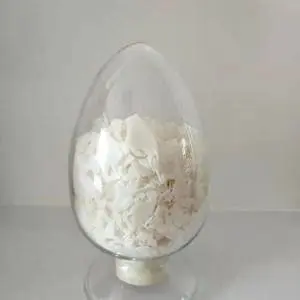
| Physical Form | Solid crystals, flakes, or powder |
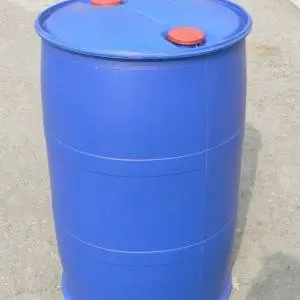
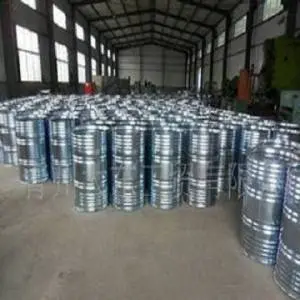
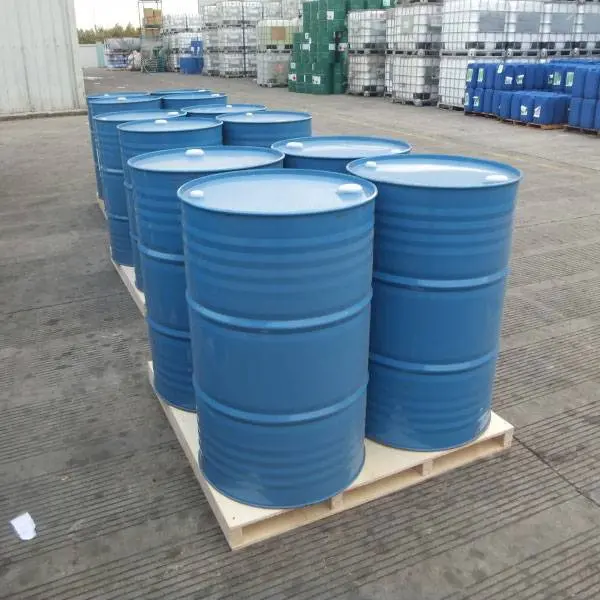
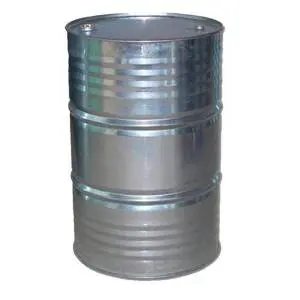
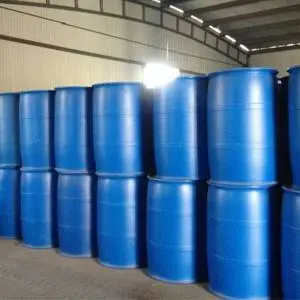
| Packaging Options | Bulk drums, sealed containers, pharmaceutical grade vials |
| Storage Conditions | Cool, dry place away from direct sunlight |
| Primary Applications | Medical, industrial, agricultural, electronics |
| Shelf Life | 2–3 years under standard conditions |
Comparing Leading Iodine Manufacturers
Below is a quick vendor comparison based on available product range, sustainability initiatives, and global reach.
| Vendor | Product Purity | Sustainability Certification | Global Reach | R&D Investments |
|---|---|---|---|---|
| Sincere Chemicals | 99.7% | ISO 14001, REACH compliant | Asia, North America, Europe | High |
| Global Iodines Inc. | 99.5% | ISO 9001 | Europe, South America | Medium |
| Pacific Minerals Ltd. | 99.6% | LEED Certified Facility | Asia-Pacific Focused | Medium |
Advantages and Long-Term Value Delivered by Iodine Manufacturers
The tangible benefits of reliable iodine manufacturing are multiple. From a cost perspective, economies of scale and efficient production lower prices for consumer healthcare products worldwide. The social impact is profound — iodine supplementation programs reduce childhood cognitive impairments, directly influencing education and workforce productivity.
Emotionally, knowing that iodine is readily available contributes to public trust in healthcare infrastructure. Industrially, innovation means safer agricultural products and more reliable electronics, which feels like a quiet kind of progress — steady and underappreciated.
Future Trends and Innovations to Watch in the Iodine Industry
Looking ahead, digital transformation promises smarter production lines with IoT sensors monitoring extraction and refinement in real time. Sustainability will push manufacturers toward carbon-neutral goals—some are already exploring bio-based extraction processes. A fascinating niche is nanotechnology: iodine nanoparticles used for targeted drug delivery, improving efficacy while reducing side effects.
Automation will reduce manual errors and costs, but the human expertise in ensuring quality will remain indispensable.
Challenges Facing Iodine Manufacturers and How They’re Tackling Them
Despite progress, iodine manufacturers face hurdles — chiefly supply chain disruptions and resource constraints due to limited geographic deposits. Additionally, maintaining stringent regulatory compliance across multiple global regions is a continuous effort. Volatility in raw material prices affects budgeting and investment planning.
Solutions include diversifying extraction sites, forming strategic partnerships (like iodine manufacturers commonly do), and investing in R&D for synthetic iodine alternatives. Sustainable practices are also a key focus to win regulatory approval and consumer trust.
FAQ: Frequently Asked Questions About Iodine Manufacturers
Q1: What quality standards do iodine manufacturers typically follow?
Most reputable iodine manufacturers comply with ISO 9001 for quality management, and many also adhere to ISO 14001 for environmental standards. Pharmaceutical-grade iodine must meet USP or EP purity standards to be used safely in healthcare applications.
Q2: How do iodine manufacturers ensure a stable supply despite limited deposits?
Manufacturers often diversify by sourcing iodine from multiple geographical locations and maintain stockpiles to serve fluctuating demand. Long-term contracts with mineral extraction companies and investments in recycling iodine-containing products also help mitigate shortages.
Q3: Are iodine manufacturers addressing environmental concerns?
Yes, leading manufacturers implement sustainable extraction processes designed to minimize energy use and environmental impact. Certifications like ISO 14001 demonstrate commitment, and many are researching bio-based iodine extraction methods.
Q4: Can iodine manufacturers provide customized iodine compounds?
Many do offer tailored iodine formulations for specific industries, such as stabilized solutions for pharmaceuticals or ultra-pure iodine for electronics manufacturing. Customization enhances product efficacy and meets niche industry needs.
Q5: How can international buyers find reliable iodine manufacturers?
Buyers should look for partners with strong quality certifications, transparent supply chains, and global distribution networks. Visiting established company websites, like iodine manufacturers with broad experience, helps ensure trust and service reliability.
Conclusion: The Steady Pulse Behind Global Progress
Iodine manufacturers may not always be in the spotlight, but their output safeguards health, drives technological advances, and supports basic human nutrition worldwide. Their role connects complex supply systems with everyday benefits—whether that’s health, safer food, or crystal-clear electronics. If you want to explore partnerships or learn more, consider visiting our website: https://www.sincerechemicals.com.
Post time: Nov . 29, 2025 12:05