

Reliable Iodine Suppliers: Global Impact, Key Factors & Future Trends
The Critical Role of Iodine Suppliers in a Global Context
If you ever paused to think about iodine, it’s likely for health reasons—iodine’s essential for thyroid function, after all. But behind every tablet, supplement, or processed food fortified with iodine, there’s an entire network of iodine suppliers quietly keeping things running. This industry may sound niche or even obscure, yet it touches millions of lives daily across medical, nutritional, and industrial fields worldwide.
Globally, iodine deficiency remains a challenge despite decades of fortification programs, according to the World Health Organization—a reminder that reliable iodine sourcing is not just a commercial activity but a public health necessity. Understanding who these iodine suppliers are, what challenges they face, and how their work impacts everything from medical supplies to nutrition security, offers a pause-worthy glimpse into global supply chains that keep populations healthier and industries humming.
Let’s dive into why iodine suppliers matter so much, explore their core functions, and peek into future trends shaping this essential market.
Mini takeaway:
- Iodine suppliers are vital for medical, nutritional, and industrial applications worldwide.
- Reliable supply chains impact global health and food security.
Global Demand and Challenges: Why Iodine Suppliers Are Vital
The global demand for iodine has been growing steadily. According to the United Nations Food and Agriculture Organization (FAO), iodine deficiency affects roughly 2 billion people worldwide, making iodine fortification a critical health intervention. Beyond dietary uses, iodine plays roles in pharmaceuticals, imaging agents, and even green technologies — such as solar panels — expanding the supplier market significantly.
However, sourcing iodine is not without difficulties. The element is naturally extracted mostly from brine deposits and seaweed; these sources can be region-specific and sensitive to geopolitical shifts. A substantial portion of iodine production currently comes from Chile, Japan, and the US, with some suppliers consolidating the market — which can lead to supply vulnerabilities. This concentration demands expertise and resilience from iodine suppliers, who must balance cost, security, and sustainability.
Mini takeaway:
- Iodine supply is geographically limited, causing potential supply chain risks.
- Suppliers must manage geopolitical and environmental variables.
What Exactly Are Iodine Suppliers?
In straightforward terms, iodine suppliers are companies or entities that source, process, and distribute iodine or iodine-derived products to industries and markets globally. These suppliers can be involved in mining natural iodine, chemically refining it to specific grades, or managing logistics and regulatory compliance for international trade.
More than just middlemen, many iodine suppliers innovate in purity levels, packaging for pharma-grade iodine, or provide custom formulations for varying industrial uses. Their work underpins many products you might take for granted — from iodized salt on your kitchen table to contrast agents used in medical imaging.
Mini takeaway:
- Iodine suppliers operate in mining, processing, and distribution.
- They serve diverse sectors including health, agriculture, and industry.
Key Factors Defining Top-Quality Iodine Suppliers
1. Purity and Quality Standards
Quality matters immensely. Suppliers must meet strict ISO and USP standards, especially when supplying iodine for pharmaceuticals or food grade. Consistency here isn’t just a mark of quality—it’s lifesaving.
2. Supply Chain Stability
Because iodine’s sources are limited, an iodine supplier’s ability to maintain steady deliveries despite geopolitical or environmental disruptions is critical for downstream users.
3. Scalability of Operations
Whether the demand spikes due to an emerging health crisis or fluctuates with industry needs, scalable production and flexible distribution capabilities help suppliers stay ahead and responsive.
4. Regulatory Compliance
Global iodine trade involves navigating complex regulations on chemical exports, safety, and environmental impact. Vendors with deep expertise here avoid costly disruptions.
5. Environmental Responsibility
In an era where sustainability is non-negotiable, the green credentials of iodine suppliers are increasingly under scrutiny—especially regarding waste management and energy use during extraction.
Mini takeaway:
- Purity, reliability, and compliance are non-negotiables for iodine suppliers.
- Environmental impact is an emerging priority shaping the supplier landscape.
Product Specification Table: A Snapshot of Typical Iodine Supplier Offerings
| Specification | Typical Range / Value | Notes |
|---|---|---|
| Purity (Iodine Element) | >99.3% | Pharmaceutical grade requires highest purity |
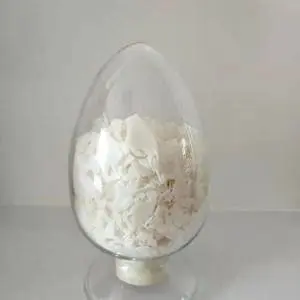
| Physical Form | Crystalline solid / liquid solution | Depends on application needs |
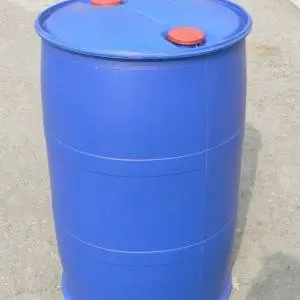
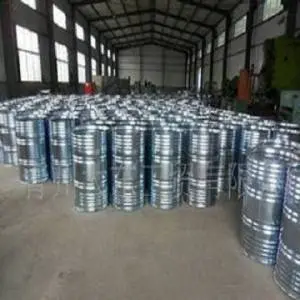
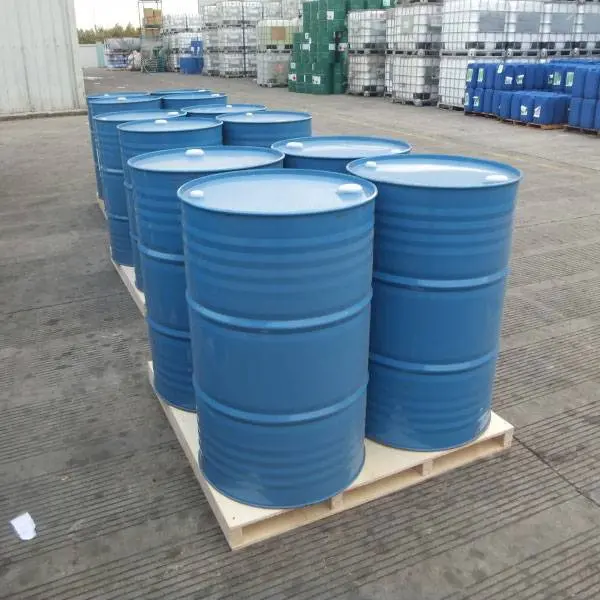
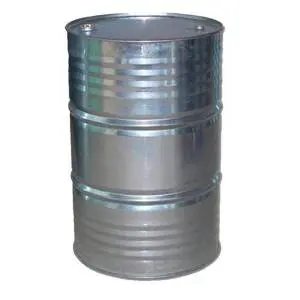
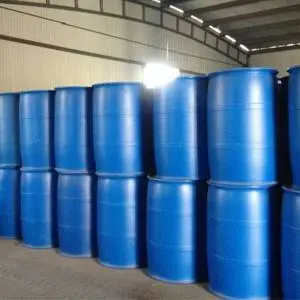
| Packaging Options | Drums, bottles, bulk containers | Supply chain logistics vary |
| Shelf Life | 2-5 years (sealed) | Storage conditions critical |
| Compliant Certifications | ISO 9001, USP, REACH | Indicative of supplier reliability |
Comparing Leading Iodine Suppliers: Who Stands Out?
| Supplier | Purity Levels | Geographic Reach | Sustainability Initiatives | Typical End-Use Markets |
|---|---|---|---|---|
| Global Iodine Co. | >99.5% | North America, Europe, Asia | Carbon-neutral production by 2030 | Pharma, Medical, Agriculture |
| Pacific Iodine Ltd. | >99.3% | Asia-Pacific, Japan, Australia | Eco-friendly harvesting of seaweed | Food Supplements, Industry |
| ChileMinerals Inc. | >99.7% | South America, Europe | Water recycling programs in mines | Chemical Industry, Agriculture |
Real-World Applications: Where Iodine Suppliers Make a Difference
In the medical world, iodine suppliers ensure that hospitals have access to antiseptics and diagnostic supplies that are reliable and effective. Their iodine products are foundational in manufacturing contrast agents used in X-rays and cancer treatments — a field that’s rapidly expanding with advances in personalized medicine.
Agriculture industries, especially in iodine-deficient regions like parts of Africa and Asia, rely on suppliers for iodized fertilizers to bolster crop nutritional content and fortify the food chain. Then there’s the consumer side: iodized salt remains a staple in most households worldwide, thanks to these supply chains.
Oddly enough, even fields like electronics and renewable energy have iodine use cases — from manufacturing LCD screens to dye-sensitized solar cells that are more eco-friendly. The diversity of applications keeps suppliers agile and diversified.
Mini takeaway:
- Medical, food security, and tech industries depend heavily on iodine supplies.
- Suppliers enable innovations in health and green technologies worldwide.
The Long-Term Advantages Provided by Reliable Iodine Suppliers
Beyond the numbers and chemical purity, dependable iodine suppliers bring social and economic security. Consistent iodine availability fosters improved public health, preventing conditions linked to deficiency such as goiter or cognitive impairments — communities literally thrive because of it.
On the commercial front, trusted suppliers lower risks of production delays or regulatory mix-ups, saving money and enhancing reputation for iodine-based product makers. In many cases, suppliers that commit to sustainability also support local communities, building trust that extends beyond business.
Frankly, when you trust your iodine source, whether in making medicines or fortifying food, there’s a comfort that the product on your shelf is safe, standardized, and socially responsible.
Mini takeaway:
- Reliable suppliers increase public health outcomes and economic stability.
- Sustainability efforts improve trust and long-term partnerships.
Looking Ahead: Innovations and Trends in the Iodine Supplier Industry
The iodine market is slowly but surely innovating. Digital supply chain tracking is becoming standard to prevent counterfeit products and manage inventory more efficiently. Automation in packaging and quality testing reduces errors and speeds up delivery times.
Notably, sustainable iodine extraction techniques are under development, with companies experimenting with algae-based harvesting coupled with low-impact chemical processing. This fits the broader industry shift toward greener operations — after all, even chemical suppliers can’t ignore their carbon footprint anymore.
Furthermore, increased collaboration between iodine suppliers and pharmaceutical innovators points to customized iodine formulations tailored for emerging therapies, making the supply chain more integrated than ever before.
Mini takeaway:
- Advances include digitalization, greener extraction methods, and custom formulations.
- The supply chain looks more resilient and innovative going forward.
Challenges and How Industry Leaders Are Overcoming Them
Of course, not every shift is smooth. There are pressing challenges: fluctuating raw material availability, rising costs, and regulatory hurdles, especially when moving between countries with different safety standards.
One clever solution many iodine suppliers embrace is forming strategic vertical partnerships—working directly with iodine mining operations or seaweed farms—reducing risk and ensuring consistent quality. Another is investing in R&D to recycle iodine from industrial waste, promoting circular economy principles.
Yet, industry experts emphasize ongoing vigilance. Supply diversification, strategic stockpiling, and regulatory harmonization all are vital to preventing sudden shocks.
Mini takeaway:
- Complex supply chains face resource scarcity and regulatory complexity.
- Collaboration, innovation, and diversification are key to resilience.
FAQ: Frequently Asked Questions About Iodine Suppliers
- What should I look for when choosing an iodine supplier?
- Focus on purity levels, certifications (like USP or ISO), supply reliability, and sustainability practices. A supplier with a diverse geographic source base and transparent quality controls offers peace of mind.
- Are iodine suppliers affected by geopolitical shifts?
- Yes, since natural iodine extraction is region-specific, political changes or trade restrictions can impact supply. Top suppliers often mitigate this risk through inventory buffers and multi-region sourcing.
- How do iodine suppliers ensure environmental responsibility?
- Leaders in the field implement eco-friendly extraction methods, waste recycling, and energy-efficient processing. Some also support local conservation efforts or follow strict environmental guidelines like REACH.
- Can iodine suppliers provide custom formulations?
- Absolutely, many vendors offer specialized iodine compounds tailored to pharmaceutical or industrial requirements, including different iodine concentrations and salt forms.
- How quickly can iodine suppliers respond to sudden demand spikes?
- Speed depends on supplier scale and supply chain flexibility. Those with scalable operations and digital inventory management typically deliver faster, minimizing disruption.
Conclusion: Why Reliable Iodine Suppliers Matter More Than Ever
Ultimately, iodine suppliers stand as unsung heroes—bridging nature’s scarce resources with global health and industry needs. They shape outcomes from improving nutrition in vulnerable populations to powering innovative green technologies. Understanding their challenges and advancements offers a clearer picture of a complex supply web crucial to many lives.
If you want reliable, high-quality iodine supply or are curious about sourcing options, I highly recommend visiting iodine suppliers to learn more about trusted vendors and latest offerings.
After all, in a world where supply chains get complicated by the day, having a steady hand in iodine matters a lot.
Reflection and References
Post time: Nov . 29, 2025 13:40