nn dimethyl benzylamine is a crucial tertiary amine catalyst widely utilized across diverse industrial applications, including polyurethane foam production, epoxy resin curing, and pharmaceutical synthesis. Its effectiveness stems from its ability to accelerate chemical reactions, contributing to improved product quality and manufacturing efficiency. Understanding its properties and applications is paramount for optimizing chemical processes and ensuring sustainable industrial practices.
Globally, the demand for nn dimethyl benzylamine is closely linked to the growth of end-use industries such as construction, automotive, and pharmaceuticals. The increasing adoption of polyurethane materials in these sectors, coupled with advancements in epoxy resin technology, fuels the need for efficient catalysts like nn dimethyl benzylamine. As industries strive for greener and more sustainable solutions, the responsible handling and application of this chemical become increasingly vital.
Its relevance extends beyond economic considerations. nn dimethyl benzylamine plays a role in enabling the production of materials that improve living standards, from comfortable bedding and insulation to durable coatings and life-saving medications. Proper usage and research into more environmentally friendly alternatives are essential for maximizing its benefits while minimizing potential risks.
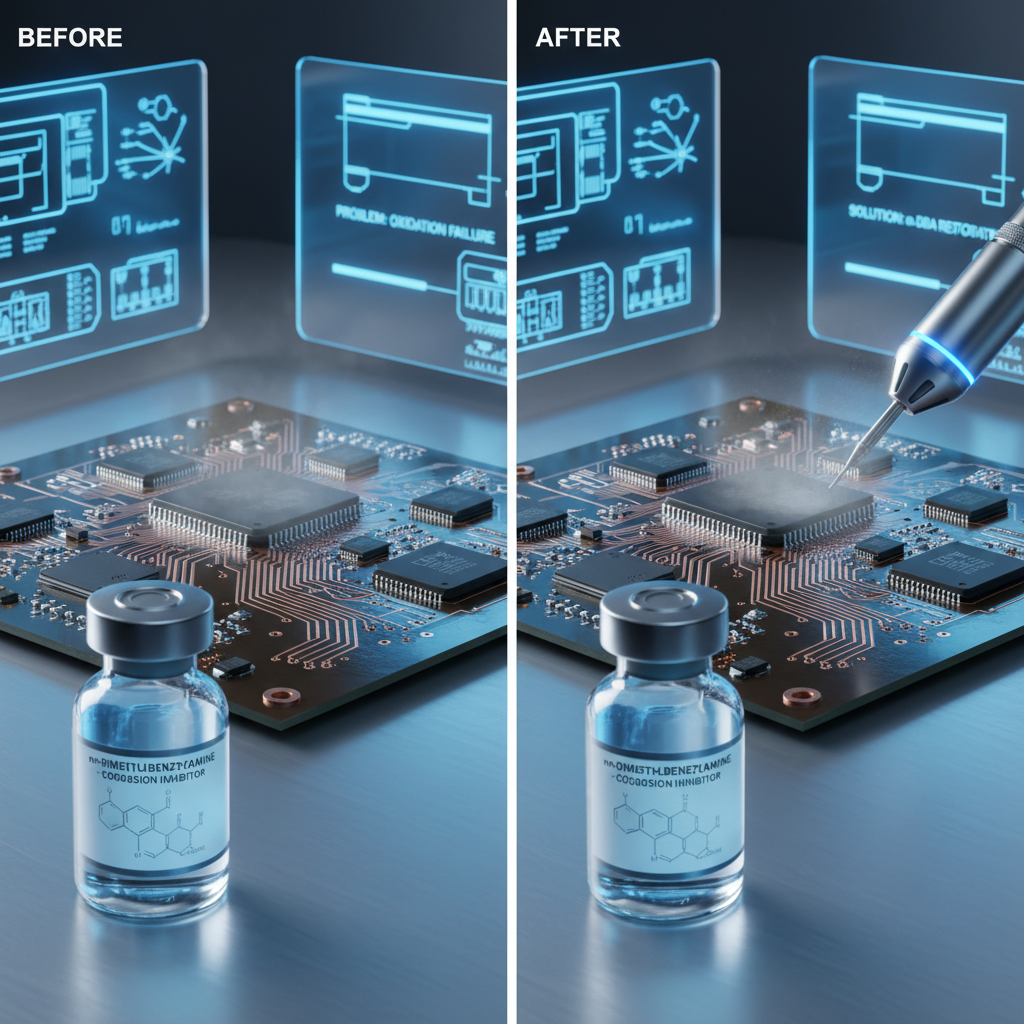

nn dimethyl benzylamine is an organic compound belonging to the class of tertiary amines. Its chemical structure features a benzyl group attached to a nitrogen atom, which is, in turn, connected to two methyl groups. This structure imparts specific chemical properties making it an excellent catalyst for a variety of reactions.
The primary role of nn dimethyl benzylamine is to facilitate the formation of polyurethane foams, epoxy resins, and other polymeric materials. Its catalytic activity accelerates the polymerization process, leading to materials with desired mechanical and thermal characteristics. Its widespread use makes it a cornerstone chemical in many manufacturing workflows.
nn dimethyl benzylamine is a corrosive and potentially harmful chemical. Always wear appropriate personal protective equipment (PPE) including gloves, safety goggles, and a respirator when handling it. Ensure adequate ventilation to prevent inhalation of vapors. In case of skin contact, immediately wash with plenty of water and seek medical attention. Refer to the Safety Data Sheet (SDS) for detailed safety instructions.
nn dimethyl benzylamine typically has a shelf life of 1-2 years when stored correctly. It should be stored in tightly closed containers, in a cool, dry, and well-ventilated area, away from direct sunlight and incompatible materials like strong oxidizers and acids. Exposure to air and moisture can degrade the product over time.
Yes, nn dimethyl benzylamine can catalyze other reactions involving isocyanates, such as the formation of ureas and allophanates. It also finds use in certain polymerization reactions and as a base catalyst in organic synthesis. However, its effectiveness and suitability vary depending on the specific reaction conditions and desired outcome.
nn dimethyl benzylamine can be harmful to aquatic life, so proper disposal and containment are crucial. It's essential to adhere to local environmental regulations regarding its handling and waste management. Research is ongoing to develop more sustainable catalysts and processes to minimize the environmental impact.
The purity of nn dimethyl benzylamine directly impacts the quality of the final product. Impurities can interfere with the catalytic process, leading to incomplete reactions, inconsistent product properties, and potentially affecting the durability and performance of materials like polyurethane foams and epoxy resins. Therefore, using high-purity DMBA is vital.
Emerging alternatives include bio-based amines derived from renewable resources, metal-based catalysts, and enzymatic catalysts. These alternatives aim to address the environmental concerns associated with traditional amine catalysts and offer improved sustainability. However, challenges remain in achieving comparable performance and cost-effectiveness.
In conclusion, nn dimethyl benzylamine is a vital chemical compound serving as a cornerstone catalyst across numerous industries. Its efficiency, selectivity, and versatility contribute to the production of essential materials that enhance modern living. Understanding its properties, applications, and environmental considerations is crucial for optimizing its use and mitigating potential risks.
Looking ahead, continued research and innovation will focus on developing more sustainable alternatives and refining existing processes to minimize the environmental footprint of nn dimethyl benzylamine. Embracing digitalization, automation, and circular economy principles will further enhance its long-term value and ensure its responsible integration into a greener future. Visit our website for more information: www.sincerechemicals.com