

Potassium Iodide is Good for What A Comprehensive Guide to Uses and Safety
Potassium Iodide is Good for What: A Comprehensive Guide
Potassium iodide (KI) is a crucial chemical compound with a variety of applications, most notably in thyroid protection during a nuclear emergency. But its benefits extend far beyond that. This article will explore the diverse uses of potassium iodide, its importance in healthcare, industrial applications, and even its role in animal nutrition. We will delve into how Sincere Chemicals provides high-quality potassium iodide for a range of industries, and discuss proper handling and safety precautions. Understanding the versatility of KI is essential for both professionals and individuals alike.
Understanding Potassium Iodide: Chemical Properties and Forms
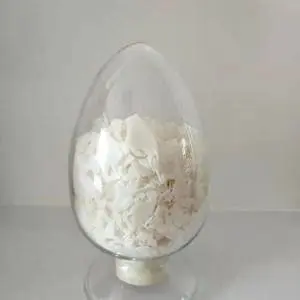
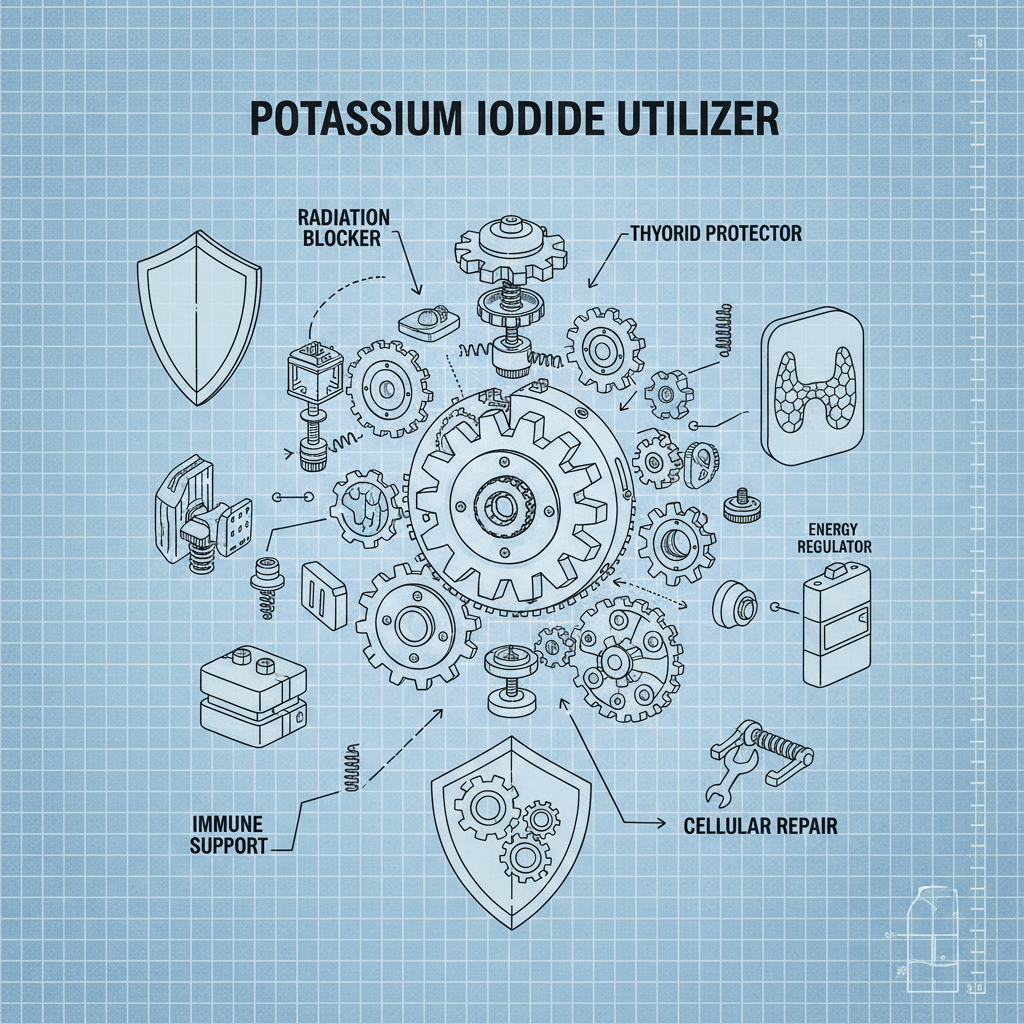
Potassium iodide is an inorganic salt composed of potassium and iodine. It appears as a white, crystalline solid that is highly soluble in water. It’s typically available in various forms including tablets, solutions, and powders. The primary function of KI is to deliver stable iodine to the thyroid gland. The thyroid utilizes iodine to produce thyroid hormones, which are vital for regulating metabolism, growth, and development. Sincere Chemicals specializes in providing various grades and purities of potassium iodide to suit different applications.
Key Highlights: Potassium iodide is an inorganic salt vital for thyroid function and used in radiation protection. Available in tablets, solutions, and powders.
Potassium Iodide for Thyroid Protection During Nuclear Emergencies
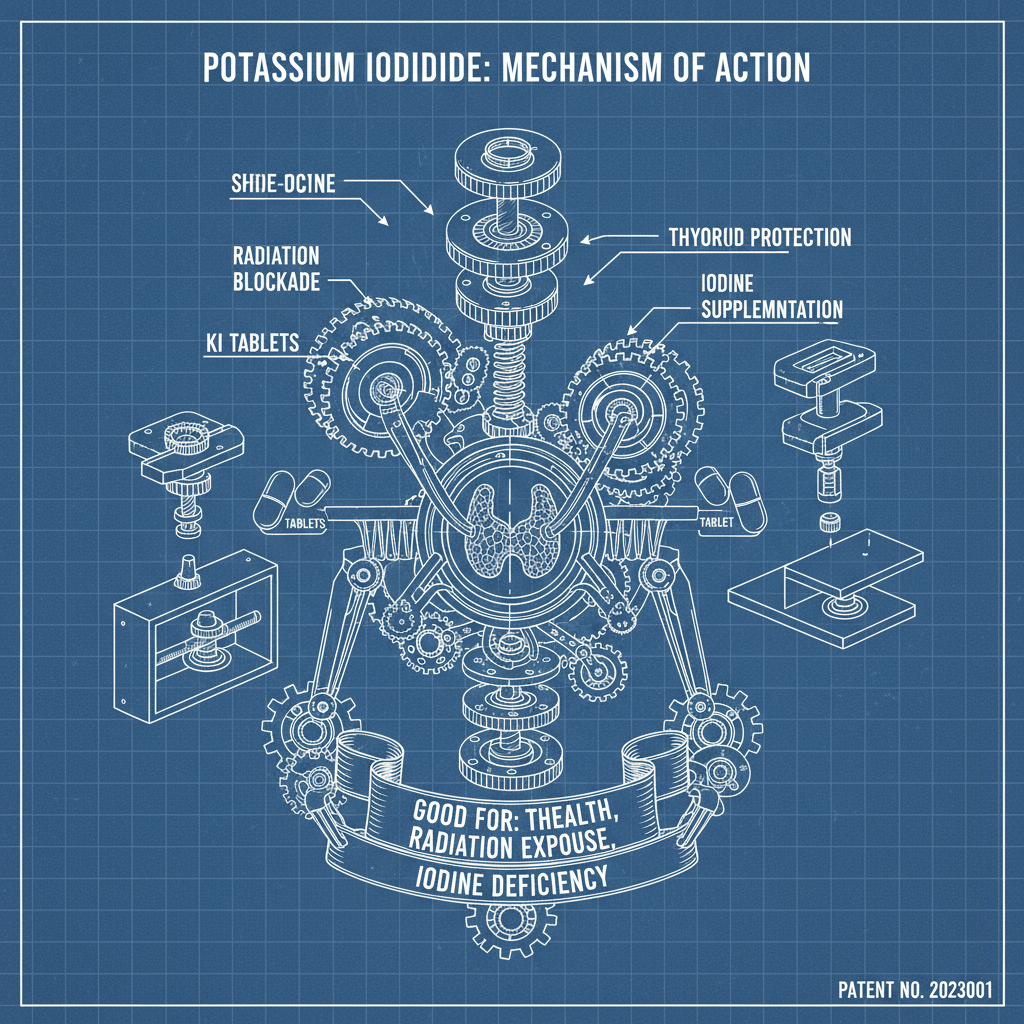
Perhaps the most well-known use of potassium iodide is as a thyroid blocker during a nuclear or radiological emergency. Radioactive iodine released during such events can be absorbed by the thyroid gland, increasing the risk of thyroid cancer. KI works by saturating the thyroid with stable, non-radioactive iodine, preventing the uptake of harmful radioactive iodine. This is a crucial preventative measure, particularly for children and young adults who are most vulnerable. It’s important to note that KI only protects against radioactive iodine, not other radioactive materials.
Thyroid Protection Benefits:
• Prevents uptake of radioactive iodine
• Reduces risk of thyroid cancer
• Essential for children and young adults
Potassium Iodide: Beyond Radiation – Diverse Applications
The applications of potassium iodide extend far beyond emergency preparedness. In healthcare, KI is used to treat certain thyroid disorders, such as hyperthyroidism (overactive thyroid) in some cases. It's also employed as an expectorant in cough syrups, helping to loosen mucus in the airways. Industrially, potassium iodide is a component in various chemical reactions, including photography, and is used in the manufacture of other iodide compounds. Moreover, it serves as a vital nutrient in animal feed, particularly for livestock.
Potassium Iodide Products Offered by Sincere Chemicals
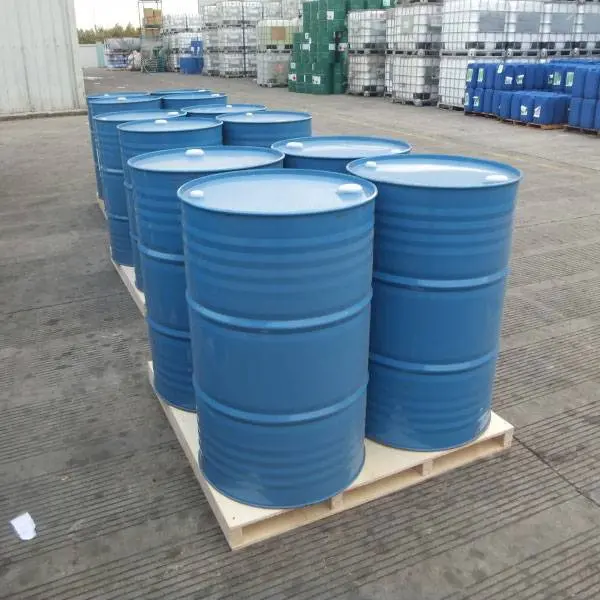
Sincere Chemicals is a leading supplier of high-quality potassium iodide, offering a range of products to meet diverse industrial and pharmaceutical needs. We pride ourselves on providing consistent purity and reliable supply. Our commitment to quality control ensures that our KI meets stringent industry standards. We provide detailed specifications and documentation to ensure our customers are fully informed.
Conclusion: Potassium Iodide - A Versatile Compound with Critical Applications
From protecting the thyroid during nuclear events to serving as a vital component in various industries, potassium iodide is an exceptionally versatile chemical compound. Sincere Chemicals is committed to providing high-quality potassium iodide solutions to meet the evolving needs of our customers. Understanding its applications and sourcing reliable suppliers are key to ensuring safety and efficacy.
Frequently Asked Questions (FAQs)
What are the potential side effects of taking potassium iodide?
While generally safe when taken as directed, potassium iodide can have side effects in some individuals. Common side effects include mild stomach upset, nausea, and skin rashes. Rarely, more serious side effects such as allergic reactions, thyroid dysfunction, or iodism (a condition involving excessive iodine exposure) can occur. Individuals with pre-existing thyroid conditions, autoimmune diseases, or allergies to iodine should consult a healthcare professional before taking KI. Dosage is crucial, and exceeding recommended amounts can be harmful.
How should potassium iodide be stored?
Potassium iodide should be stored in a cool, dry place, away from direct sunlight and moisture. It’s best to keep it in a tightly sealed container to prevent degradation. Avoid storing KI near strong oxidizing agents or incompatible chemicals. The shelf life of KI tablets is typically several years, but it’s important to check the expiration date and replace expired tablets. Proper storage ensures the continued efficacy of the product.
Can potassium iodide protect against all types of radiation?
No, potassium iodide only protects against radioactive iodine. It does not offer protection against other radioactive materials, such as cesium-137 or strontium-90. The primary purpose of KI is to saturate the thyroid gland, preventing the absorption of radioactive iodine and reducing the risk of thyroid cancer. Other protective measures, such as sheltering in place and evacuation, are necessary for protection against other forms of radiation exposure.
Where can I purchase high-quality potassium iodide?
For reliable and high-quality potassium iodide, Sincere Chemicals is a trusted supplier. We offer various grades and packaging options to meet diverse needs, and we ensure that our products meet stringent quality standards. Purchasing from a reputable supplier is essential to guarantee the purity and efficacy of the potassium iodide.
Post time: Jan . 28, 2026 11:15