

Understanding 1 3 Propane Diamine: Industrial Applications and Global Impact
What Is 1 3 Propane Diamine and Why Does It Matter?
If you've ever dipped your toes into industrial chemistry or manufacturing, the term 1 3 propane diamine might ring a bell. But what is it exactly? At its core, 1 3 propane diamine (often called propane-1,3-diamine) is an organic compound featuring two amino groups attached to a three-carbon propane backbone. It sounds straightforward, but its applications ripple far beyond the lab bench — spanning everything from polymer production to water treatment.
Why should we care? Well, in a world increasingly craving sustainable materials and versatile chemical building blocks, 1 3 propane diamine unlocks solutions. Whether it's helping create durable coatings or acting as a key intermediate in pharmaceutical synthesis, understanding this compound contributes to greener, more efficient processes. Its global relevance is quietly profound, powering sectors that keep economies humming and communities thriving.
Mini takeaway: 1 3 propane diamine might seem like just another chemical, but it’s a quiet workhorse behind many modern industrial and humanitarian advances.
Global Importance of 1 3 Propane Diamine — From Industry to Innovation
The global chemical market for diamines, including propane variants, is expansive. According to ISO data, the demand for specialty amines is projected to grow at a steady clip of around 5% annually through 2030, fueled by emerging industrial sectors in Asia-Pacific and shifts toward sustainable manufacturing. 1 3 propane diamine’s versatility means it often comes up as a solution where durability and reactivity are prerequisites.
One of the key challenges industries face worldwide is sourcing compounds that are both efficient to produce and environmentally moderated. The traditional methods of producing polymers or anti-corrosion coatings often rely on chemicals with concerning toxicity profiles. Here, 1 3 propane diamine offers a better safety and sustainability balance, making it highly relevant as regulations tighten globally — think EU REACH and similar initiatives.
Mini takeaway: Globally, 1 3 propane diamine fits into a larger sustainable chemical trend, tackling regulatory and ecological hurdles head-on.
Breaking It Down: What Exactly Is 1 3 Propane Diamine?
So, to really pin down 1 3 propane diamine: it’s an organic molecule with the chemical formula C3H10N2. Imagine a propane chain – just three carbon atoms linked like a tiny ladder. Attached to the first and third carbons are amino groups (-NH2), the nimble chemical moieties that lend the molecule its reactivity.
In industry, these amino groups make it a vital starting point for producing polymers, resins, and various adhesives. Oddly enough, this small molecule acts like a “chemical Swiss army knife” in many modern formulations. But beyond synthetics, it also supports humanitarian needs. For example, it appears in water purification chemicals, helping remove heavy metals or organic contaminants at lower environmental cost — a vital function in many developing regions.
Mini takeaway: Think of 1 3 propane diamine as a small but mighty chemical that combines simplicity with multifunctionality, used everywhere from manufacturing floors to clean water initiatives.
Key Aspects of 1 3 Propane Diamine That Make It Industry’s Darling
1. Chemical Versatility
Because it carries two amino groups, 1 3 propane diamine readily reacts with a variety of acids, aldehydes, and other functional groups, enabling the synthesis of polyamides, epoxy hardeners, and other polymers. This flexibility means manufacturers can tailor materials for specific strength, elasticity, or environmental resistance.
2. Scalability & Availability
Its straightforward synthesis routes and raw material accessibility mean 1 3 propane diamine can be produced at industrial scales without exorbitant costs. Many chemical suppliers worldwide stock it, ensuring steady supply chains for downstream users.
3. Safety and Environmental Profile
Compared to more hazardous diamines, 1 3 propane diamine often offers more manageable handling and lower toxicity. Combined with greener manufacturing technologies, it supports eco-friendlier production lines — a critical factor as industries pivot toward sustainability.
4. Application Diversity
Used in paints, coatings, adhesives, pharmaceuticals, and even water treatment, it’s a prime example of a compound that crosses traditional industry borders, making it kind of “universal” in use cases.
Mini takeaway: Its chemical adaptability, ease of production, and broad usability create a compelling package for industrial chemists and engineers alike.
Where in the World Is 1 3 Propane Diamine Making a Difference?
This compound’s reach extends far beyond factory floors. In Asia, especially China and India, burgeoning polymer and pharmaceutical industries depend heavily on diamines like propane diamine for manufacturing high-performance materials and medicines.
In Europe, companies adopt 1 3 propane diamine primarily for eco-conscious coatings and specialty adhesives, responding to tougher environmental regulations. Africa and parts of Latin America harness it in water purification—improving access to clean water in remote or disaster-affected areas.
For instance: In post-disaster relief efforts, mobile water treatment units often utilize chemistry based on propane diamine derivatives to swiftly cleanse water contaminants — helping prevent outbreaks of waterborne diseases.
| Property | Specification |
|---|---|
| Molecular Formula | C3H10N2 |
| Molecular Weight | 74.12 g/mol |
| Boiling Point | 204 °C (approx.) |
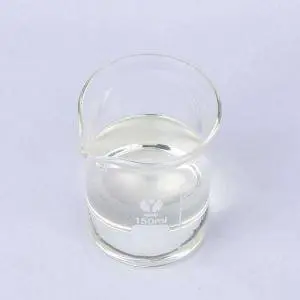
| Appearance | Colorless liquid |
| Solubility | Miscible with water & many organic solvents |
| Density | 0.9 g/cm³ approx. |
Mini takeaway: Its physical and chemical properties make 1 3 propane diamine easy to handle, apply, and incorporate into many industry workflows globally.
Advantages & Long-Term Benefits of 1 3 Propane Diamine Usage
- Cost Efficiency: Relatively low-cost synthesis combined with high reactivity leads to reduced raw material waste.
- Sustainability: Supports eco-friendlier polymer production and safer water treatment processes.
- Reliability: High purity and consistent quality ensure dependable end-use performance.
- Social Impact: Plays a subtle but meaningful role in improving water quality, enhancing health and dignity in underserved areas.
Emotionally, many professionals describe working with 1 3 propane diamine as satisfying — not just because it performs well, but because it feels like contributing to safer, more sustainable tech. It’s not just about chemicals; it’s about trust and progress.
Future Trends & Emerging Innovations in Propane Diamines
The chemical industry is buzzing about how to amplify 1 3 propane diamine’s potential while shrinking its carbon footprint. Green synthesis using bio-based feedstocks and catalysts is gaining traction. Digital process controls and automation are helping manufacturers boost yield and reduce waste.
Moreover, pairing 1 3 propane diamine with emerging materials like bio-resins or recycled polymers might open new doors in packaging or automotive industries. Environmental policies worldwide are nudging companies toward such innovations, so it’s bound to be a landscape worth watching closely.
Tackling Challenges Head-On
No chemical is perfect. The main limitations around 1 3 propane diamine center on handling precautions due to its irritant properties and the need for strict quality measures to prevent impurities from compromising product performance.
Experts recommend integrating closed systems and rigorous testing protocols. Innovative solutions, such as continuous flow reactors and enhanced purification methods, help companies address these issues without sacrificing efficiency. I noticed recently that many suppliers also offer bundled support — technical advice plus supply — making the whole experience smoother for customers.
Vendor Comparison: Where to Source Your 1 3 Propane Diamine?
| Supplier | Purity | MOQ (kg) | Price Range (USD/kg) | Quality Certifications |
|---|---|---|---|---|
| Sincere Chemicals | ≥ 99% | 100 | 2.5 – 3.0 | ISO 9001, REACH |
| ChemGlobal Inc. | 98.5% | 200 | 2.3 – 3.2 | ISO 14001 |
| EcoChemistry Ltd. | 99.5% | 50 | 2.8 – 3.4 | REACH, GreenSeal |
Frequently Asked Questions About 1 3 Propane Diamine
Q: What industries most commonly use 1 3 propane diamine?
A: It’s widely used in polymer manufacturing, coatings, adhesives, pharmaceuticals, and water treatment industries. Its versatility means its footprint is broad, spanning automotive parts to medical compounds.
Q: How safe is handling 1 3 propane diamine in an industrial setting?
A: While generally safer than some other diamines, it can cause skin and respiratory irritation. Proper PPE, ventilation, and training are essential for safe handling.
Q: Can 1 3 propane diamine be sourced sustainably?
A: Yes, increasingly, suppliers are developing bio-based and greener synthesis methods that reduce environmental impact associated with traditional production.
Q: What’s the expected shelf life of 1 3 propane diamine?
A: When stored correctly in airtight containers away from heat and light, it can last up to 12 months without significant degradation.
Q: Is 1 3 propane diamine expensive to procure in bulk?
A: Prices vary by region and purity but generally remain affordable, especially when purchased in larger quantities. Bulk buying can significantly reduce per-kg cost.
Wrapping Up: Why 1 3 Propane Diamine Deserves Your Attention
From chemical versatility and global industrial demand to its growing role in sustainable applications, 1 3 propane diamine is much more than just a molecule in a bottle. It represents a link between efficiency, innovation, and responsible production that many sectors desire. Whether you’re a manufacturer striving for cleaner processes or an engineer searching for reliable raw materials, this compound is an ally.
Thinking about sourcing or learning more? Feel free to explore 1 3 propane diamine and check out how it might fit your specific needs.
Until next time, keep an eye on these quiet giants of chemistry — sometimes, they hold the world together in ways we never quite see.
References
Post time: Nov . 27, 2025 18:45