

Understanding Iodine: Global Uses, Benefits, and Future Trends
Why Iodine Matters: A Global Perspective
Iodine—a trace element you might have vaguely heard about—is actually one of those unsung heroes of global health and industry. Frankly, it’s pretty essential for life and modern technology, but oddly enough, many of us only think about it when we hear about iodine deficiency or maybe the temperamental thyroid gland. Yet, understanding iodine’s role can unlock solutions in medicine, nutrition, and even technology that impact millions worldwide.
Globally, the World Health Organization estimates that iodine deficiency affects about 2 billion people, more than a quarter of the world's population. In practical terms, iodine is critical for healthy brain development, making it a cornerstone for public health strategies in many developing countries. At the same time, iodine’s unique chemical properties lend it to specialized industrial applications, from disinfectants to catalysts.
Mini takeaway: Iodine is far more than just a simple mineral; it plays vital global roles in health and industry that often go unnoticed.
Understanding Iodine: What Is It, Really?
So, what exactly is iodine? Chemically expressed as I with atomic number 53, iodine is a halogen element, a dark grayish-black solid at room temperature that sublimates into a violet gas. In simpler terms, it’s a naturally occurring element found in seawater and soils, and crucially, it accumulates in the thyroid gland of humans and animals.
Iodine’s ability to stabilize and facilitate biological processes, like hormone synthesis, underpins its critical status in nutrition and medicine. In industry, its unique atomic structure makes it valuable for producing compounds in pharmaceuticals, X-ray contrast media, and antiseptics. The overlap between humanitarian needs and industrial uses makes iodine a central topic deserving attention.
Mini takeaway: Iodine’s chemical properties make it indispensable in both biology and industry, bridging health and technology.
Core Factors Behind Iodine’s Versatility
Nutritional Importance
By far, iodine’s most vital role is in human nutrition. Deficiency leads to goiter and cognitive impairments, particularly in children. That’s why iodized salt is a simple yet powerful intervention recommended by health organizations worldwide.
Antiseptic & Disinfectant Use
Thanks to its antimicrobial properties, iodine solutions are standard in hospitals and clinics, beating bacteria and viruses without harsh side effects.
Catalytic & Industrial Applications
In chemical manufacturing, iodine is valuable as a catalyst or reagent, vital in creating complex organic molecules for medicines or dyes.
Radiology & Medical Imaging
Iodine-based contrast agents enhance X-rays and CT scans, making diagnostics sharper and more effective.
Environmental Concerns & Sustainability
Mining iodine involves niche extraction from brines or seawater, raising concerns about sustainable sourcing and byproduct management.
Mini takeaway: From iodine nutrition to industrial chemistry, several factors combine to make iodine deeply embedded in multiple, diverse sectors.
Global Iodine Use: Real-World Applications
In countries like China and Chile, iodine extraction from brine fields supports both local economies and international supply chains. Meanwhile, iodine supplementation programs in Sub-Saharan Africa, India, and parts of Southeast Asia have drastically reduced iodine deficiency disorders.
Oddly enough, in post-disaster relief efforts, iodine tablets serve as emergency water disinfectants. Emergency medical teams also rely on iodine antiseptics because they are easy to stockpile, stable, and highly effective.
Industrially, iodine compounds are key to manufacturing LCD screens and photovoltaic cells, linking this element indirectly to the tech revolution—and even green energy trends.
Mini takeaway: Whether addressing public health or powering electronics, iodine’s footprint spans continents and industries alike.
Advantages & Long-Term Value of Iodine
- Cost-efficiency: Iodized salt remains one of the most affordable nutritional interventions available.
- Social impact: Reducing iodine deficiency improves cognitive development, contributing to higher productivity and better quality of life.
- Reliability: Iodine antiseptics have a long shelf life and proven efficacy, crucial for disaster zones where infrastructure is lacking.
- Innovation: Industrial iodine drives pharmaceuticals and tech development, supporting global markets and innovation ecosystems.
On an emotional level, iodine’s impact is linked to dignity and safety—ensuring children have a future free from cognitive impairments, and communities have access to clean healthcare tools.
Emerging Trends & Innovations Involving Iodine
Advancements in nanotechnology are enabling iodine to combine with new materials for targeted drug delivery. There’s also growing interest in iodine-based batteries as next-gen, eco-friendlier energy storage solutions, which could alter our approach to sustainable power.
From a policy perspective, international bodies are pushing for better traceability and sustainable iodine mining, aligning with UN Sustainable Development Goals.
Integration with digital health platforms, including remote diagnostics, is redefining iodine's use in personalized medicine.
Challenges & Practical Solutions
Despite many positives, iodine extraction is geologically limited, raising supply concerns. Its volatility and corrosive nature also mean it requires careful handling and storage.
Experts recommend diversifying iodine sources and investing in recycling technologies. Some engineers are exploring biomass and algae as alternative iodine repositories, which could lessen environmental footprints.
Mini takeaway: While iodine’s future is promising, sustainable practices and innovation are vital to overcome sourcing and handling challenges.
Frequently Asked Questions About Iodine
- What are the easiest ways to prevent iodine deficiency?
- The most effective and accessible method is iodizing common salts. This simple addition serves millions, especially in areas lacking iodine-rich food sources.
- Is iodine safe to use as a disinfectant in homes?
- Yes, iodine solutions, at proper concentrations, are both effective and safe for disinfecting minor wounds or sanitizing water when other options are limited.
- Can iodine be sustainably sourced?
- Currently, sustainable sourcing is challenging due to geographic concentration of deposits, but innovations in extraction and recycling are improving sustainability profiles.
- Does iodine have applications beyond health and medicine?
- Absolutely. It’s used extensively in electronics, agriculture (as a micronutrient), and clean energy sectors—all of which benefit from its unique chemical properties.
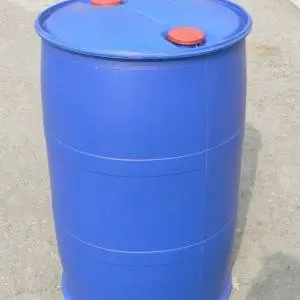
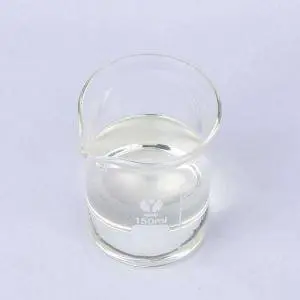
Product Specifications of Industrial Iodine Solutions
| Specification | Typical Value | Unit |
|---|---|---|
| Purity | 99.8 | % |
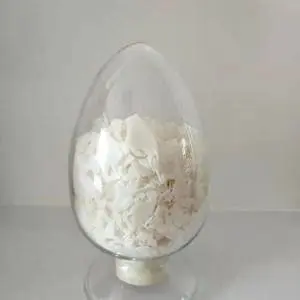
| Physical Form | Crystalline solid | — |
| Melting Point | 113.5 | °C |
| Density | 4.93 | g/cm³ |
| Solubility (Water) | 0.03 | g/100ml (20°C) |
Vendor Comparison: Leading Iodine Suppliers
| Supplier | Product Range | Price Tier | Sustainability Credentials | Global Reach |
|---|---|---|---|---|
| Sincere Chemicals | Industrial, Pharmaceutical, Food Grade | Mid | ISO 14001 Certified | Asia, Europe, Americas |
| Global Iodine Corp | Pharmaceutical & Specialty | High | Sustainability Report Available | North America, Europe |
| Brine Extracts Ltd. | Bulk Industrial Grade | Low-Mid | Limited | Asia-Pacific |
Wrapping Up: Why Iodine Remains a Critical Element
Throughout all this, iodine stands out as a rare element that’s easy to overlook but hard to do without. Its reach extends from the tiny thyroid gland in our necks all the way to the latest green energy devices, truly bridging biology and technology in a fascinating dance. As the pressures of population health, sustainability, and innovation grow, iodine’s role will only deepen.
If you’re interested in quality iodine products or need reliable iodine solutions tailored for your applications, checking out reputable vendors like Sincere Chemicals is a solid first step.
Feel free to dive deeper and keep an eye on emerging uses — something tells me iodine’s story is far from finished.
1. World Health Organization – Iodine Deficiency Disorders Fact Sheet, who.int
2. United Nations Sustainable Development Goals, sdgs.un.org
3. Wikipedia – Iodine, en.wikipedia.org
Post time: Nov . 29, 2025 23:10