

Understanding Iodine Price: Global Overview, Factors, and Market Insights
Understanding the Iodine Price: Why It Matters Globally
Iodine, a somewhat unsung hero of the chemical world, quietly influences health, industry, and even global markets. That “iodine price” — the cost per kilogram or ton of this essential element — ripples far beyond chemistry labs or pharmaceutical warehouses. In a nutshell, understanding iodine pricing isn’t just about numbers. It’s about grasping how this element’s availability affects everything from thyroid health in remote regions to critical industrial processes worldwide.
Why should anyone care? Because iodine’s price links directly to public health programs, agricultural productivity, and even international trade balances. As demand surges or supply tightens for any reason, price fluctuations can have real human impacts. So having a handle on the key factors shaping iodine price means staying ahead of challenges and opportunities alike.
Global Context: The Bigger Picture of Iodine Pricing
On the global scale, iodine’s marketplace is influenced by large-scale factors — think mining outputs, geopolitical stability, and evolving industrial needs. According to the United Nations and World Bank data, iodine production is concentrated in a few countries, notably Chile and Japan.
Chile dominates with over 50% of global iodine extraction, mainly from nitrate deposits, while Japan refines iodine mainly from brine. This concentration can periodically create supply bottlenecks, pushing the iodine price upward or down in response to demand waves — say, a sudden surge in pharmaceutical needs or agriculture inputs.
One challenge stands out: volatile iodine price impacts iodized salt programs critical to preventing iodine deficiency disorders (IDD) in many developing countries. When the iodine price spikes, governments and NGOs face budget strains that could slow distribution. Globally, the need for iodine is projected to rise steadily, partly driven by increasing medical and industrial uses.
What Exactly Is Iodine Price?
Simply put, iodine price is the cost charged per unit weight (often per kilogram or metric ton) for iodine in the commercial market. It is influenced by extraction costs, purification processes, transportation, and global demand fluctuations.
Beyond just a market figure, iodine price signals the availability of this element—used in pharmaceuticals, nutrition, and industries like photography or electronics. For humanitarian causes, an affordable iodine price means more effective iodine supplementation in diets, crucial to combating thyroid-related health issues across continents.
Key Factors Influencing Iodine Price
1. Production Source & Geography
Most iodine is extracted from mineral deposits in Chile or as a byproduct from brine wells in Japan and the United States. Transportation costs and local mining regulations hugely affect final iodine price. For example, political tensions or environmental restrictions can slow production, pushing prices up.
2. Extraction & Purification Costs
The chemical process of isolating iodine is energy- and labor-intensive. Advances in refining can reduce costs, but aging facilities or stricter purity standards can raise them, creating price fluctuations.
3. Global Demand Shifts
Pharmaceuticals requiring high-purity iodine, alongside agricultural applications like iodine-enriched feed, create demand spikes. Unexpected medical crises or industrial innovations sometimes trigger rapid price changes.
4. Stockpiling & Strategic Reserves
Some countries maintain iodine reserves, which, if released, temporarily depress iodine price. Conversely, stockpiling ahead of geopolitical uncertainty can drive prices higher.
5. Currency Fluctuations & Trade Tariffs
Since iodine is traded internationally, exchange rates and import duties can influence local iodine pricing dramatically.
Typical Iodine Product Specifications
| Specification | Typical Value | Unit |
|---|---|---|
| Purity | 99.5+ | % |
| Physical Form | Crystalline / Sublimed | - |
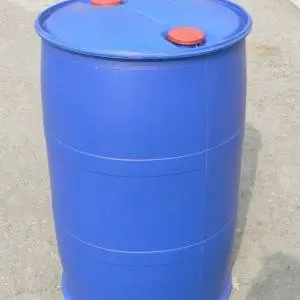
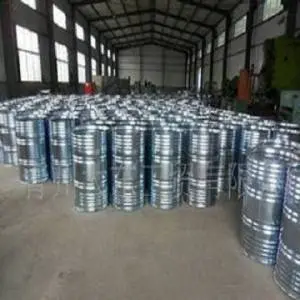
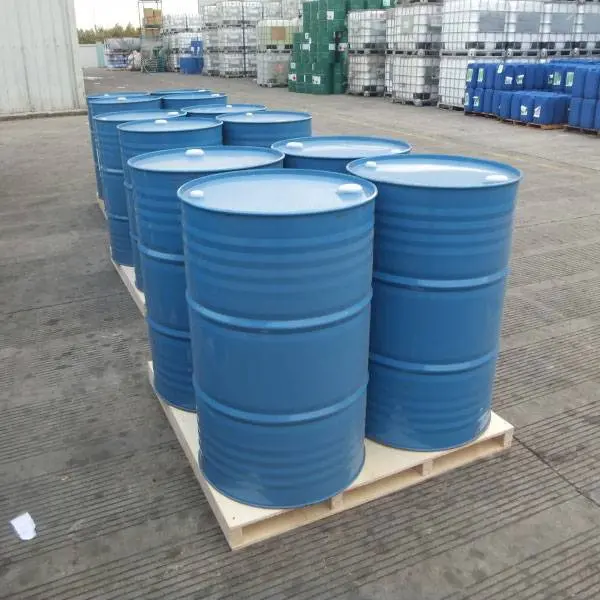
| Packaging | 25 kg Drum | - |
| Storage Conditions | Cool, Dry Place | - |
| Shelf Life | 2 Years | - |
How Iodine Price Impacts Global Applications
Industries across the board depend on iodine. In medicine, iodine’s antiseptic and imaging uses are vital in hospitals everywhere. Pharmaceutical companies rely on steady iodine supply at reasonable prices to formulate medicines and vaccines.
In agriculture, iodine-enriched animal feed promotes livestock health, affecting food safety and productivity. Regions like Southeast Asia and parts of Africa rely heavily on iodine supplementation to fight malnutrition, meaning fluctuating iodine price can hamper essential public health interventions.
Beyond that, iodine is used in electronics and manufacturing—for example, in LCD screen production and catalysts. Countries with growing tech and manufacturing sectors often see demand spikes that influence the iodine price landscape too.
Vendor Comparison: Iodine Suppliers at a Glance
| Supplier | Price Range (USD/kg) | Purity (%) | Lead Time | Origin |
|---|---|---|---|---|
| Sincere Chemicals | $40 – $45 | 99.5+ | 2-3 weeks | Chile |
| Global Iodine Ltd. | $38 – $44 | 99.0+ | 3-4 weeks | Japan |
| ChemCore International | $42 – $48 | 99.7+ | 1-2 weeks | USA |
Advantages & Long-Term Value of Monitoring Iodine Price
Keeping an eye on iodine price offers clear benefits:
- Cost Savings: Businesses & governments can better budget health and industrial programs.
- Sustainability: Pricing stability encourages investment in greener, lower-impact iodine extraction methods.
- Social Impact: Affordable iodine ensures continuous access in vulnerable regions — a direct win for global health equity.
- Reliability: Transparent pricing reduces supply chain surprises that could halt manufacturing or medical treatment.
On a more personal note, you realize how crucial iodine pricing is not just as a number but as a reassurance of safety and dignity for millions worldwide. There’s something oddly comforting about following a stable market price that supports medicine, innovation, and well-being.
Emerging Trends & Innovations Affecting Iodine Costs
Innovation in iodine extraction, like eco-friendly solvent techniques or automation, promises to lower costs and environmental impact. Digitization enables better market prediction models, helping suppliers respond relative to demand spikes more smoothly. Green energy integration in mining sites reduces operational costs.
On the policy front, some governments are pushing for strategic iodine reserves and improved trade policies, aiming to smooth price volatility. The combination of technology and policy may soon make the “iodine price rollercoaster” less daunting and more predictable.
Challenges & Solutions in Iodine Pricing
Despite its importance, pricing still faces hurdles:
- Supply Vulnerability: Concentrated suppliers and geopolitical risks cause sudden price swings.
- Purity Standards: Tighter medical standards can increase production cost.
- Environmental Concerns: Mining impact can curtail extraction unless sustainable practices are adopted.
The solution? Diversifying extraction methods, investing in new refining tech, and fostering international cooperation to buffer shocks. Industry experts often recommend integrating real-time market intelligence platforms for smarter procurement decisions.
FAQ: Your Iodine Price Questions Answered
- Q1: How often does iodine price fluctuate globally?
- A: The iodine price can fluctuate monthly or quarterly, mostly driven by supply changes from key producers and shifts in industrial demand. Seasonal variations or geopolitical tensions may also impact prices unpredictably.
- Q2: Can Iodine price affect the cost of iodized salt?
- A: Absolutely. Since iodine is the active ingredient for iodized salt, rising iodine prices can increase production costs, affecting affordability and distribution of this critical nutrition supplement.
- Q3: What industries are most sensitive to changes in iodine price?
- A: Pharmaceuticals, agriculture (animal feed), and electronics manufacturing are highly sensitive. Changes in iodine price can affect profit margins and supply chain strategies significantly.
- Q4: How do currency fluctuations influence iodine price locally?
- A: Because iodine trade is global, countries importing iodine often see costs vary with exchange rates. A weaker local currency means higher local iodine prices even if the global market is stable.
- Q5: Are there any alternatives that could reduce reliance on iodine?
- A: Some sectors explore alternatives, but iodine’s unique chemical properties mean few direct substitutes. However, recycling iodine and developing more efficient usage techniques helps manage demand and costs.
Conclusion: Why Staying Informed About Iodine Price Pays Off
In the grand scheme, tracking the iodine price is not just a commercial necessity but a strategic move for industries and governments alike. It supports public health, fuels industrial innovation, and helps navigate economic uncertainties. For anyone operating where iodine matters, staying ahead—whether through reliable suppliers or market intelligence—is vital.
If you’re keen to explore more about iodine pricing or source quality iodine supplies, visit Sincere Chemicals to stay updated and get competitive quotes.
References:
1. Wikipedia: Iodine
2. United Nations
3. ISO Standards Relevant to Iodine
Post time: Nov . 29, 2025 21:35