

What is NMMO? A Key Chemical for Sustainable Industry Solutions
Understanding NMMO: A Global Solution Worth Knowing
If you've ever dabbled in sustainable materials or industrial solvents, chances are you've heard of nmmo—short for N-methylmorpholine N-oxide. It might sound like a mouthful, but this chemical plays a surprisingly central role worldwide. From textile manufacturing to eco-friendly chemical processes, nmmo acts as a green flag in efforts to reduce environmental impact.
Understanding nmmo isn’t just chemistry nerd-talk; it’s about recognizing how certain substances make industries cleaner and more efficient on a vast scale. In fact, its measured use influences global markets and sustainability goals alike. So why is nmmo a topic worth your time? Let’s break it down.
The Big Picture: Why NMMO Matters Globally
Globally, the textile and chemical industries are under enormous pressure to reduce waste and toxins. According to the United Nations, textile production accounts for roughly 20% of global industrial water pollution, pushing companies to seek cleaner solvents. Enter nmmo — a biodegradable, low-toxicity compound that can replace harsher chemicals in fabric processing and more.
Besides textiles, major players in paper treatment and pharmaceuticals have adopted nmmo to streamline production while parked within tighter regulatory frameworks (think: ISO 14001 environmental standards). The challenge? Manufacturing processes often rely on chemicals that trade off eco-friendliness for cost or efficiency. NMMO attempts to balance these competing interests.
Oddly enough, its ability to dissolve cellulose—a key natural polymer—makes nmmo indispensable for creating modern fibers like lyocell, used in everything from workout wear to hygiene products. Yet the full potential remains somewhat niche as the chemical’s characteristics are relatively specialized.
Mini Takeaway:
NMMO is a key player at the crossroads of sustainability and industry innovation, offering a greener alternative to traditional solvents worldwide, especially in textiles and paper processing.
What Exactly is NMMO? Breaking It Down
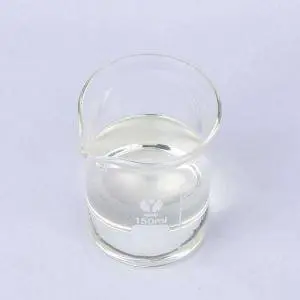
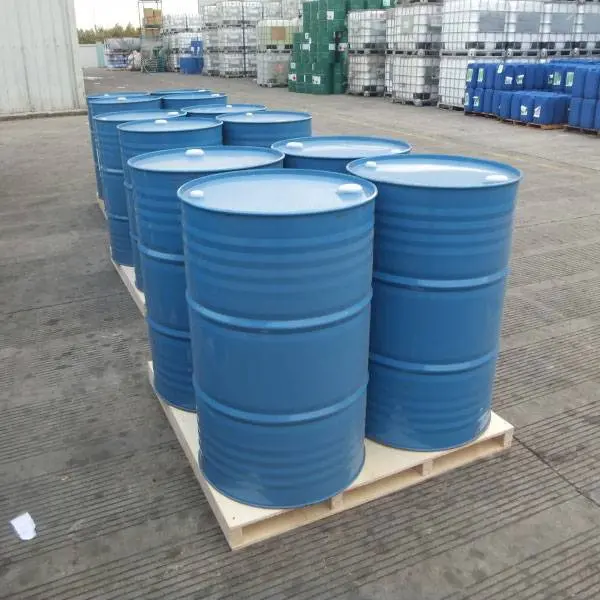
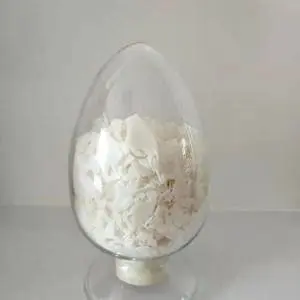
At its core, nmmo (N-methylmorpholine N-oxide) is an organic compound, classified as an amine oxide. It’s a white, crystalline solid that dissolves easily in water and boasts a low environmental footprint when properly managed.
Its claim to fame is its ability to dissolve cellulose without degrading its structure, a property exploited in textile manufacturing where it enables the production of high-quality regenerated fibers. By dissolving cellulose cleanly, it replaces more toxic solvents like carbon disulfide used in conventional viscose production, which historically posed health and environmental hazards.
Beyond fibers, nmmo’s utility extends to aiding bleaching and other chemical treatments in paper pulp industries and being a useful solvent in certain pharmaceutical syntheses. Its unique chemical behavior means it doesn’t break down into toxic byproducts easily, fitting into a broader narrative of “greener chemistry.”
Mini Takeaway:
NMMO’s pivotal chemical feature — cellulose dissolution with minimal environmental harm — has earned it a crucial role in organic material processing industries.
Key Aspects of NMMO in Practical Use
1. Environmental Compatibility
Many engineers point out nmmo’s biodegradability as a game-changer. It naturally breaks down in water and soil, reducing long-term pollution risks associated with industrial discharge, especially compared to competing electrolytes or solvents.
2. Efficiency in Fiber Production
Because nmmo dissolves cellulose gently, it preserves the molecular structure, resulting in strong, durable fibers like lyocell. This efficiency reduces waste and energy consumption in the production cycle — a win for manufacturers and eco-conscious consumers alike.
3. Safety and Handling
While it’s safer than many industrial solvents, nmmo still requires cautious handling; under high heat it can decompose, releasing potentially harmful gases. So, production lines investing in nmmo need proper ventilation and monitoring.
4. Cost Factors
NMMO is more expensive upfront than older solvents, but manufacturers often find that lowered environmental compliance costs and improved product quality offset this. It’s a classic "pay a bit more now, save a lot later" scenario.
5. Scalability
Thanks to its proven track record in global textile hubs like Europe and East Asia, nmmo-based processes have been scaled up successfully. This means large fabric mills and smaller outfits can both incorporate it, adjusting to volume needs.
Mini Takeaway:
NMMO’s practical advantages stem from a sweet spot between sustainability, efficiency, and adaptable scalability, although cost and safe handling need attention.
How NMMO is Changing Industries Around the World
Global textile markets in countries like Germany, China, and the USA are rapidly adopting nmmo for producing high-grade lyocell fibers. These regions benefit from stricter environmental regulations pushing companies toward less harmful solvents.
In post-disaster zones, some relief organizations experiment with nmmo-derived fibers for biodegradable materials, especially disposable medical gowns and wipes — critical for hygiene without piling on waste.
Paper manufacturers in Scandinavia also use nmmo to improve pulp bleaching efficiency with fewer toxic reagents released into the environment.
Even in the pharmaceutical sector, niche applications involve nmmo as a solubilizer for complex organic syntheses, illustrating its versatile if subtle, influence.
Mini Takeaway:
From high-tech fabric factories in Europe to medical supply chains in relief efforts, nmmo proves its practical worth on multiple continents and industries.
Technical Specifications of a Typical NMMO Solution
| Specification | Typical Value | Unit |
|---|---|---|
| Purity | 99.5 | % |
| Melting Point | 107.5 | °C |
| Water Content | 0.3 max | % |
| Density (20 °C) | 1.19 | g/cm³ |
| Solubility (Water) | Completely miscible | - |
Comparing Leading NMMO Suppliers
| Supplier | Purity (%) | Annual Capacity (tons) | Price Range (USD/ton) | Sustainability Certifications |
|---|---|---|---|---|
| Sincere Chemicals | 99.7 | 5,000 | 2,800 - 3,200 | ISO 14001, REACH |
| Global Chem Supplies | 99.3 | 3,800 | 2,600 - 3,100 | ISO 9001 |
| Eco-Biochem Inc. | 99.5 | 4,200 | 2,900 - 3,400 | LEED, REACH |
Why Choose NMMO? The Long-Term Benefits
At first glance, nmmo’s usage might look like a tiny part of a huge industrial puzzle. But scratch the surface, and you’ll discover that it embodies the future of sustainable manufacturing. For companies, the reduced environmental costs and cleaner production lines generate trust, brand loyalty, and—critically—regulatory compliance.
For workers and consumers, nmmo offers a safer profile compared to older solvents, fostering better health and dignity in production environments. Fewer toxins mean fewer accidents and less chronic exposure. Oddly enough, many feel this kind of chemical innovation represents a modern kind of trust—one that respects people and planet simultaneously.
Emerging Trends and the Future of NMMO
The landscape around nmmo is evolving. Research into making it even greener—like recycling used nmmo solutions or coupling it with renewable energy-driven manufacturing processes—is gaining momentum. Digital monitoring of nmmo systems promises optimized usage efficiency, reducing waste further.
Some innovators look at blending nmmo with bio-based catalysts to accelerate fiber production without loss in quality, aligning with global sustainability frameworks such as the UN’s Sustainable Development Goals.
Challenges and How Experts Tackle Them
Of course, nmmo isn’t flawless. Handling risks, such as its thermal instability, limit some uses. Then there’s price — though dropping, it remains somewhat steep for smaller manufacturers.
Experts recommend thorough process design and staff training to mitigate these challenges. Recycling and purification technologies are improving, enabling more circular nmmo use rather than dispose-and-replace. Smart chemical management software also helps ensure safety and cost control.
FAQs About NMMO
- What makes nmmo-based fibers better than traditional fabrics?
They’re stronger, more durable, and produced with fewer toxic chemicals. This means better quality and less environmental impact. - How safe is nmmo for factory workers?
Generally safer than older solvents, but exposure limits are still recommended. Proper ventilation and handling protocols are essential. - Can nmmo be recycled within industrial processes?
Yes, with modern recovery units, eturn nmmo is purified and reused, cutting down chemical waste. - Is nmmo suitable for international shipping and use by NGOs?
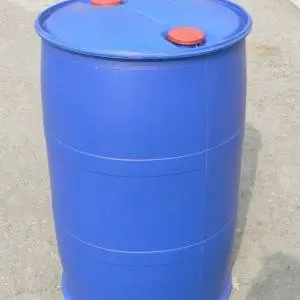
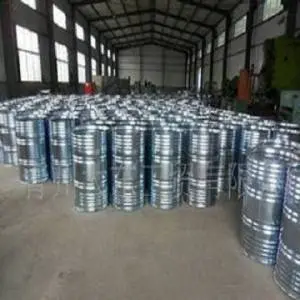
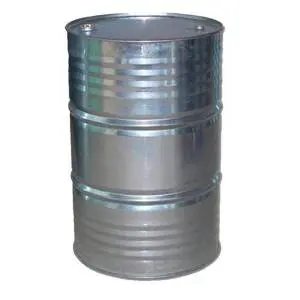
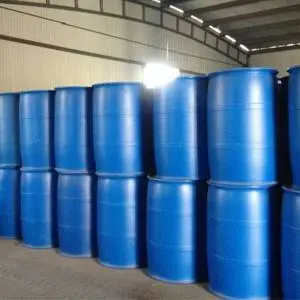
When packaged to standards, nmmo can be safely shipped worldwide. NGOs often rely on reliable suppliers with compliance certification.
Wrapping Up: Why NMMO Deserves Your Attention
In a world increasingly tuned to sustainability but still craving performance, nmmo is a kind of chemical beacon; balancing efficiency, safety, and environment. Embracing nmmo technology today means supporting cleaner industries and greener products tomorrow — you know, the sort of small choice that makes a real, lasting difference.
To explore high-quality nmmo products and expert support, visit Sincere Chemicals. Whether you’re in textiles, paper, pharma, or any niche requiring reliable green solvents, they’ve got you covered.
Quick Reflection
The story of nmmo intertwines chemistry, ecology, and economics. Getting these right is never easy — but it feels like nmmo is a step forward we can't overlook.
References
Post time: Nov . 27, 2025 06:55