

Industrial Properties and Uses of n methylcyclohexanamine
Understanding n methylcyclohexanamine: Properties and Industrial Uses
In the complex world of organic chemistry, secondary amines play a pivotal role as building blocks for a vast array of industrial applications. Among these, n methylcyclohexanamine serves as a critical intermediate, valued for its unique cyclic structure and reactivity. Whether it is used in the synthesis of pharmaceuticals, the production of specialized rubber chemicals, or as a catalyst in polymer science, this compound offers a balance of stability and versatility. Understanding its chemical behavior and handling requirements is essential for engineers and chemists aiming to optimize their production processes. This guide explores the technical nuances and commercial importance of this essential chemical.

Chemical Properties of n methylcyclohexanamine
The molecular architecture of n methylcyclohexanamine consists of a cyclohexane ring attached to a methylamine group. This structure imparts specific lipophilic properties, making it highly effective in reactions where solubility in organic solvents is required. As a secondary amine, it exhibits typical basicity, allowing it to form stable salts with various acids, which is a key step in many purification processes. Its boiling point and vapor pressure are tailored for efficient distillation and recovery in industrial settings. High purity levels are typically required to avoid side reactions in sensitive pharmaceutical syntheses.
Chemical Insight: The cyclic nature of the molecule reduces steric hindrance compared to long-chain aliphatic amines, often leading to faster reaction kinetics in N-alkylation and acylation processes.
Industrial Applications of n methylcyclohexanamine
The versatility of n methylcyclohexanamine allows it to span multiple sectors. In the polymer industry, it is frequently employed as an accelerator for epoxy resins, improving the curing speed and the mechanical strength of the final composite. In the agricultural sector, it acts as a precursor for certain herbicides and fungicides, where the cyclohexyl moiety enhances the biological activity of the active ingredient. Additionally, its role in the production of corrosion inhibitors ensures that metal surfaces in harsh environments remain protected from oxidation. The demand for this compound continues to grow as green chemistry seeks more efficient catalysts.
Technical Specifications of n methylcyclohexanamine
For procurement and quality control, adhering to strict technical specifications is paramount. The performance of the end product depends heavily on the assay purity and moisture content of the raw material. Below is a detailed specification table typically used for industrial-grade n methylcyclohexanamine to ensure consistency across batches.
Handling and Storage of n methylcyclohexanamine
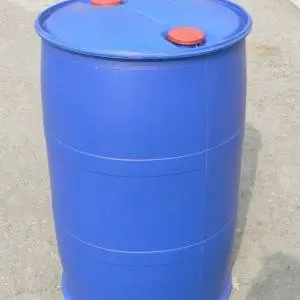
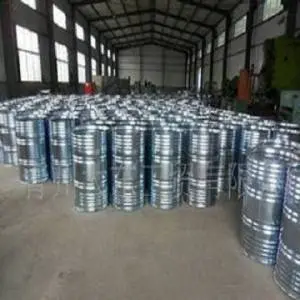
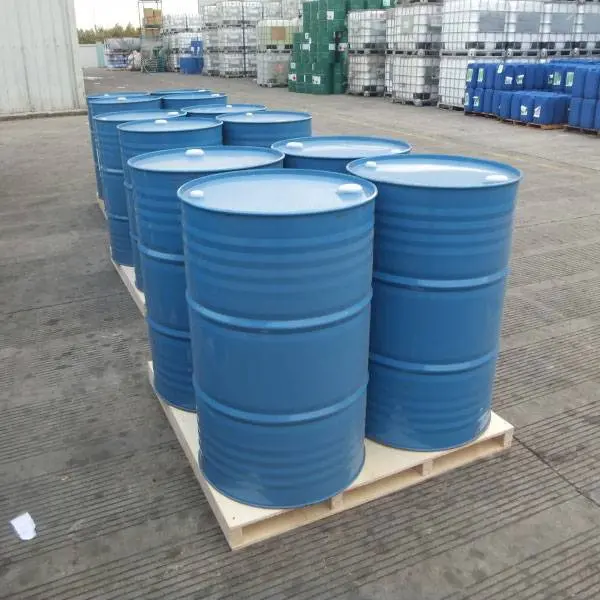
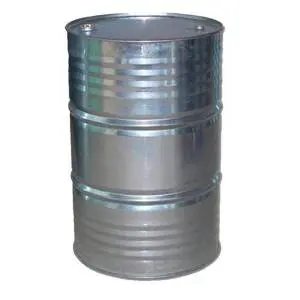
Due to its nature as an organic amine, n methylcyclohexanamine is corrosive and volatile. Proper safety protocols must be implemented to prevent skin contact and inhalation of vapors. Storage containers should be constructed from high-density polyethylene (HDPE) or stainless steel to avoid corrosion. It is highly recommended to store the chemical in a cool, well-ventilated area, away from strong oxidizing agents and open flames. Personal Protective Equipment (PPE), including chemical-resistant gloves and safety goggles, is mandatory when handling this substance to ensure a safe working environment.
Comparing n methylcyclohexanamine with Other Cyclic Amines
When choosing between different cyclic amines, chemists must consider the trade-off between reactivity and stability. Compared to piperidine or pyrrolidine, n methylcyclohexanamine offers a more saturated hydrocarbon ring, which alters its basicity and solubility profiles. This makes it more suitable for applications requiring a hydrophobic catalyst or a specific structural geometry in pharmaceutical intermediate synthesis. The choice often depends on the required transition state of the reaction and the desired polarity of the resulting molecule.
Selection Criteria for Amines:
• Basicity: Affects the catalyst efficiency in polymerization.
• Solubility: Determines the ease of extraction in aqueous/organic phases.
• Volatility: Impacts the safety measures and recovery costs.
• Steric Bulk: Influences the selectivity of the chemical reaction.
Conclusion: The Strategic Value of n methylcyclohexanamine
The industrial significance of n methylcyclohexanamine cannot be overstated. Its role as a high-efficiency intermediate and catalyst enables advancements in materials science and medicinal chemistry. By ensuring high purity standards and implementing rigorous safety protocols, manufacturers can leverage the unique properties of this compound to create superior end-products. As the global chemical market moves toward more specialized and sustainable solutions, the precise application of secondary amines will remain a cornerstone of industrial innovation.
Frequently Asked Questions (FAQs)
What is the primary use of n methylcyclohexanamine in the polymer industry?
In the polymer industry, n methylcyclohexanamine is primarily used as a curing agent or accelerator for epoxy resins. It helps in controlling the cross-linking density of the polymer chains, which directly enhances the thermal stability and mechanical strength of the cured resin. This makes it an ideal component for high-performance adhesives and industrial coatings used in the automotive and aerospace sectors.
How should n methylcyclohexanamine be stored for maximum shelf life?
To maintain maximum shelf life, the compound should be stored in tightly sealed containers, preferably under an inert gas atmosphere like nitrogen to prevent oxidation. It must be kept in a cool, dry, and well-ventilated area, far from sources of heat or ignition. Because it can react with carbon dioxide from the air to form carbamates, minimizing exposure to the atmosphere is critical. Regular quality checks for purity and moisture are recommended every six months.
Is n methylcyclohexanamine compatible with all types of plastic containers?
No, it is not compatible with all plastics. Due to its amine functionality and solvency, it can degrade or permeate through certain plastics like low-density polyethylene (LDPE) or PVC. The most recommended materials for storage are high-density polyethylene (HDPE), polytetrafluoroethylene (PTFE), or high-grade stainless steel. Using incompatible plastics can lead to container failure or contamination of the product, which may jeopardize the quality of subsequent chemical reactions.
What safety precautions are necessary when handling this amine?
Handling n methylcyclohexanamine requires strict adherence to safety guidelines. Operators must use a fume hood to avoid inhaling irritating vapors and wear nitrile or butyl rubber gloves to prevent chemical burns. In case of skin contact, the area should be flushed with plenty of water immediately. Emergency eyewash stations and safety showers must be readily available in the workspace to mitigate the risks associated with its corrosive nature.
Post time: Apr . 09, 2026 02:35