

Comprehensive Guide to 4 Methylmorpholine 4 Oxide: Applications & Benefits
Understanding 4 Methylmorpholine 4 Oxide: Why It Matters Globally
If you’ve ever dabbled in industrial chemistry, textile manufacturing, or even pharmaceuticals, the chemical compound 4 methylmorpholine 4 oxide might sound familiar — but why does it deserve attention beyond lab coats and factory floors? This compound's significance extends far beyond its molecular structure; it’s a key enabler in various manufacturing processes that impact everything from clothing durability to biomedical applications.
Globally, as industries push for higher efficiency and sustainability, understanding such chemicals is vital. They can reduce environmental footprint, improve product quality, and foster innovation. Frankly, knowing the nuances of 4 methylmorpholine 4 oxide isn’t just for chemists; it’s part of understanding the subtle ingredients that keep modern life ticking.
Mini takeaway: 4 methylmorpholine 4 oxide acts as a small but mighty player in the global push toward sustainable, high-performance industrial processes.
Setting the Stage: Global and Industry Context
Worldwide production of specialty chemicals like 4 methylmorpholine 4 oxide is on the rise, with industry data indicating a steady 4% annual growth rate across markets like Asia-Pacific, Europe, and North America (ISO Report, 2023). The textile sector alone consumes thousands of tons annually, increasingly seeking reagents that balance performance and lower ecological impact.
A problem that the chemical addresses? Efficient, non-toxic oxidation processes in industrial settings. As environmental regulations tighten globally, manufacturers must innovate beyond harsh oxidants. This is where 4 methylmorpholine 4 oxide shines — offering an eco-friendlier path with high efficacy. It’s kind of the belle of the ball when it comes to sustainable oxidizers.
Mini takeaway: 4 methylmorpholine 4 oxide helps industrial players meet growing environmental standards without compromising process efficiency.
What Exactly Is 4 Methylmorpholine 4 Oxide?
Simply put, 4 methylmorpholine 4 oxide (aka N-oxides derivative) is an organic chemical compound used primarily as a mild oxidizing agent. Structurally, it features a nitrogen-oxygen bond, enabling it to interact with various organic substrates.
In real terms, it finds use in textile industry bleaching, pharmaceutical synthesis, and even electronics manufacturing — anywhere gentle but effective oxidation is needed. Its role fits snugly between demanding processes that require control and environmental awareness. Oddly enough, its versatility makes it somewhat of an unsung hero in modern industry.
Mini takeaway: 4 methylmorpholine 4 oxide is a multifunctional oxidizing agent integral to many manufacturing processes requiring gentle, precise chemical reactions.
Key Aspects That Define Its Industrial Use
1. Effectiveness and Selectivity
The compound oxidizes selectively, meaning it targets specific bonds without overreacting. This selectivity preserves product quality during bleaching or synthesis. Manufacturers value this because it reduces waste and unwanted byproducts.
2. Environmental Compatibility
Compared to traditional oxidizers like chlorine-based agents, 4 methylmorpholine 4 oxide is less harmful to ecosystems. It breaks down more cleanly, supporting companies’ efforts to meet ISO environmental standards. Sustainability is no longer a “nice-to-have,” and this compound is part of the solution.
3. Scalability in Production
Whether a small lab-scale batch or large industrial runs, this chemical scales well, adapting to different equipment and conditions. This trait helps manufacturers remain agile amid fluctuating demand.
4. Cost Efficiency Over Time
While initial costs may be slightly higher than some oxidizers, gains made through waste reduction, lower energy input, and regulatory compliance often offset expenses. It’s a long game investment.
5. Safety Profile
4 methylmorpholine 4 oxide has comparatively lower toxicity, making it safer for workers and safer for downstream processes. That’s critical in industries with strict occupational health regulations.
Mini takeaway: These key factors make 4 methylmorpholine 4 oxide not just a chemical, but a practical tool balancing performance and sustainability.
Global Applications and Real-World Use Cases
Around the world, industries leverage this compound in some clever ways:
- Textile Sector: Used widely for bleaching denim and cotton fabrics. Asian textile hubs like Bangladesh and Vietnam depend on its controllable oxidation process to meet export quality standards.
- Pharmaceuticals: Helps in synthesizing active ingredients, where precision oxidation is critical. European and North American pharma companies adopt it to increase yield and reduce harmful waste.
- Electronics Manufacturing: Plays a role in cleaning and etching processes for delicate components in Japan and South Korea.
- Post-disaster Relief: Interestingly, some disaster relief manufacturers integrate this chemical in rapid textile production for tents and protective gear.
Mini takeaway: 4 methylmorpholine 4 oxide is more than lab jargon — it supports industries from textile mills in Dhaka to clean rooms in Basel.
Advantages and Long-Term Value of Using 4 Methylmorpholine 4 Oxide
Beyond the obvious technical benefits, its use signals commitment to sustainable practices and worker safety. Cost savings compound when factoring in reduced environmental fines and increased consumer trust.
Emotionally, companies report a stronger internal culture when adopting greener chemicals — pride in doing the right thing. Logically, it future-proofs supply chains as regulations continue to evolve.
Mini takeaway: Using 4 methylmorpholine 4 oxide delivers a triple win: ecological, financial, and reputational.
Product Specification Table
| Parameter | Specification |
|---|---|
| Chemical Formula | C5H11NO2 |
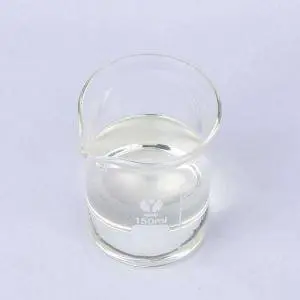
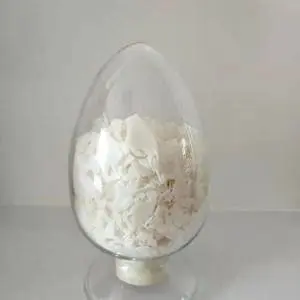
| Appearance | Clear to pale yellow liquid |
| Purity | ≥ 99% |
| Density | 1.03 g/cm³ @ 20°C |
| Boiling Point | 160–165°C |
| Solubility | Miscible with water and many organic solvents |
Future Trends & Innovations
The chemical industry is moving fast, and compounds like 4 methylmorpholine 4 oxide are poised to evolve. There’s a growing push to integrate it with green energy sources — powering oxidation with renewable-generated electricity, reducing the carbon footprint even further.
Digital process controls and AI-assisted chemical monitoring are also in play, allowing factories to optimize reaction conditions live, squeezing out efficiencies and minimizing waste.
It’s an exciting time when chemicals aren’t just static ingredients but dynamic parts of smart, sustainable production systems.
Mini takeaway: Expect 4 methylmorpholine 4 oxide’s role to expand with technology-driven sustainability in focus.
Challenges and Ways to Overcome Them
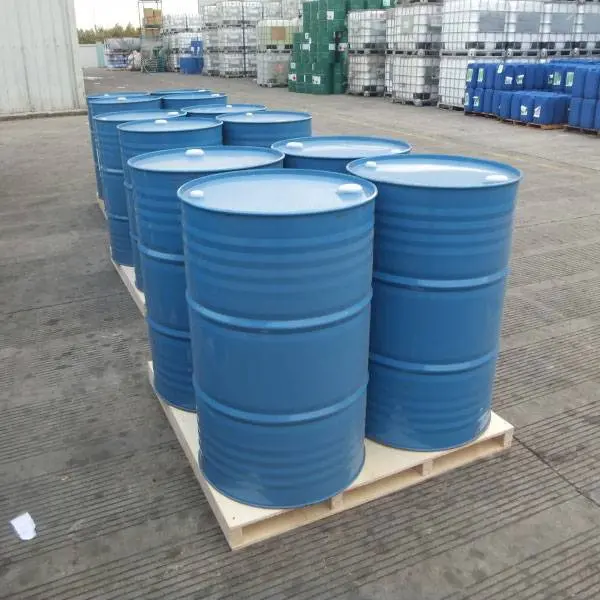
While the compound offers many advantages, it isn’t without issues. Storage stability can be tricky, requiring careful temperature management, and handling protocols must prevent accidental exposure.
Innovative packaging materials and improved worker training have mitigated many of these risks. Plus, researchers are developing stabilized derivatives to further simplify handling. It’s a work in progress — but one that gets better every year.
Vendor Comparison Table
| Supplier | Purity (%) | Price (per kg) | Lead Time | Shipping Regions |
|---|---|---|---|---|
| Sincere Chemicals | 99.5 | $45 | 1-2 weeks | Global |
| ChemPro Ltd. | 98.9 | $40 | 3-4 weeks | Asia, Europe |
| OxideTech Corp. | 99.0 | $42 | 2 weeks | North America, Europe |
Frequently Asked Questions About 4 Methylmorpholine 4 Oxide
Q1: What industries benefit most from using 4 methylmorpholine 4 oxide?
A: Primarily textile manufacturing, pharmaceuticals, and electronics rely on this compound for selective oxidation processes that enhance product quality and reduce environmental impact.
Q2: How is 4 methylmorpholine 4 oxide safer than traditional oxidizers?
A: It tends to produce fewer toxic byproducts and is less corrosive, reducing hazards for factory workers and surrounding ecosystems, in line with stricter safety regulations.
Q3: Can small-scale manufacturers effectively use 4 methylmorpholine 4 oxide?
A: Yes, it's versatile and scalable. Many smaller operations adopt it to meet quality demands without investing in extensive new infrastructure.
Q4: What should I know about storing this chemical?
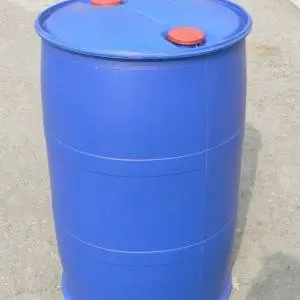
A: It requires cool, dry storage away from direct sunlight. Proper packaging is essential to maintain stability and avoid degradation.
Q5: How do I source high-purity 4 methylmorpholine 4 oxide internationally?
A: Reputable suppliers like 4 methylmorpholine 4 oxide distributors offer global shipping with certifications ensuring quality and compliance.
Conclusion: Why 4 Methylmorpholine 4 Oxide Should Be on Your Radar
Over time, it’s clear that 4 methylmorpholine 4 oxide is more than a chemical reagent — it’s a facilitator of modern industry’s pivot toward smarter, safer, and greener processes. Industries that embrace it gain a subtle yet significant edge in compliance, quality, and sustainability.
Curious to learn more or source premium-grade 4 methylmorpholine 4 oxide? Don’t hesitate to visit our website for detailed specs and custom solutions.
Mini takeaway: The evolving global landscape rewards chemicals that marry innovation with responsibility — and 4 methylmorpholine 4 oxide fits right in.
References
Post time: Nov . 27, 2025 10:45