

Understanding 4 Methylmorpholine N Oxide Monohydrate: Uses, Benefits & Suppliers
4 Methylmorpholine N Oxide Monohydrate: Why It Matters in Modern Industry
If you’re into chemistry, textiles, or clean manufacturing, you’ve probably bumped into the term 4 methylmorpholine n oxide monohydrate. On the surface, it sounds like a mouthful of jargon, but it packs a punch when it comes to practical applications. Globally, as industries strive to become greener and more efficient, understanding this compound is key. It plays a starring role in producing many everyday materials and supports sustainable practices that matter on a worldwide scale. From textile manufacturing to pharmaceutical synthesis, knowing this chemical’s ins and outs can open doors to cleaner processes and better products.
In a nutshell, it’s an oxidizing agent with a twist—its hydrated form boasts unique stability and reactivity that industries leverage for everything from solvent systems to detergents. The benefits? Enhanced yield, reduced environmental footprint, and a whole lot less nasty byproducts. So, even if you’ve never heard the full name, the chances are good that it’s quietly working behind the scenes in products or processes you care about.
The Global Context: Why 4 Methylmorpholine N Oxide Monohydrate Is More Than Just Chemistry
Worldwide, the push toward sustainable manufacturing is stronger than ever. According to ISO standards and reports by the World Bank, industries that integrate green chemicals see significant reductions in water pollution and hazardous waste. The textile sector alone consumes about 98 million tons of fabric yearly—40% of which undergoes treatment using chemical agents. Notably, this is where 4 methylmorpholine n oxide monohydrate comes into play.
Used primarily as a solvent and oxidizing agent, it helps break down stubborn natural fibers like cellulose without the toxic residues typical of older chemistry methods. With environmental regulations growing tighter (hello, EU's REACH and UN sustainability goals), manufacturers worldwide need alternatives that tick all the boxes: effectiveness, safety, and reduced ecological footprint.
But here’s the catch: many traditional solvents can’t meet these requirements. This is why 4 methylmorpholine n oxide monohydrate has become indispensable in Asia, Europe, and North America. Its ability to assist in high-quality fiber production without heavy pollution addresses a global challenge of sustainable resource management.
What Exactly Is 4 Methylmorpholine N Oxide Monohydrate?
Let’s break it down simply. 4 methylmorpholine n oxide monohydrate is a water-containing form (hence “monohydrate”) of 4-methylmorpholine N-oxide (NMO), a stable organic compound used mainly as an oxidizing agent and solvent. It’s related chemically to morpholine derivatives but includes an oxygen atom directly bonded to the nitrogen, which changes its reactivity—in a good way.
Industrially, this compound dissolves cellulose fibers without destroying them, which is crucial in textile manufacturing processes such as lyocell fiber production. It’s also increasingly common in organic synthesis and cleaning agents because it’s safer and less volatile compared to older chemicals.
And while “monohydrate” might sound like a fancy chemistry class word, it simply means each molecule of NMO is attached to one water molecule, lending it extra stability and easier handling in manufacturing environments.
Core Factors That Make 4 Methylmorpholine N Oxide Monohydrate Essential
1. Purity and Stability
The monohydrate form offers improved stability during storage and transport, minimizing degradation. This feature reduces waste and downtime in production lines.
2. Toxicity and Safety Profile
Compared to other oxidizing agents, it has a relatively favorable toxicity profile, making it safer for operators while still performing robustly.
3. Solvency for Cellulose Fibers
It effectively breaks down cellulose without severe damage, enabling high-quality fiber regeneration—a critical requirement in sustainable textiles.
4. Environmental Compatibility
Being water-soluble and biodegradable, it avoids the persistent environmental harm associated with halogenated solvents or heavy metals.
5. Versatility Across Industries
From textiles to pharmaceuticals and even detergents, its multifunctionality supports cost efficiency and process simplification.
Applications Across the Globe: Where and How It’s Used
In Europe, where textile producers are mandated to reduce their ecological footprint, this chemical is standard in lyocell fiber manufacturing to create soft, strong, and biodegradable fabrics. Meanwhile, in the US, specialty pharmaceutical producers rely on it as a reagent for complex organic reactions, valuing its purity and predictable behavior.
Then there’s Asia — China and India mainly — where large-scale detergent and cleaning product makers use it to boost the efficacy of stain-removal formulas in an eco-conscious way. And in post-disaster relief operations, where quick deployment of water-safe cleaning is vital, formulations incorporating NMO monohydrate help maintain hygiene without harsh chemicals.
| Specification | Value |
|---|---|
| Chemical Formula | C5H11NO2 · H2O |
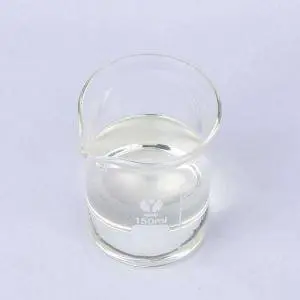
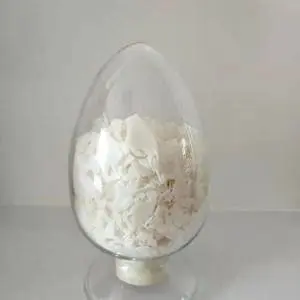
| Appearance | White Crystalline Solid |
| Purity | ≥ 98% |
| Melting Point | 120 - 124 °C |
| Solubility | Water (Highly Soluble) |
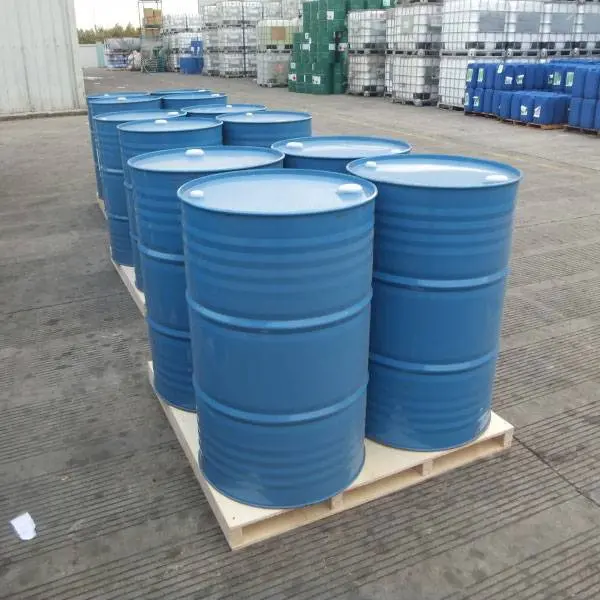
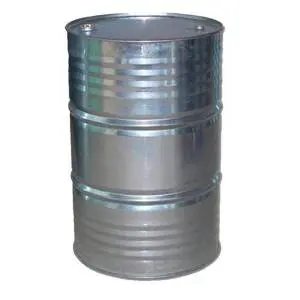
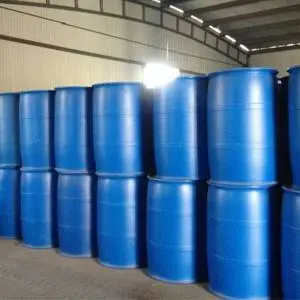
| Storage Conditions | Cool, Dry Place, Sealed Container |
Advantages and Why it’s Still Growing in Importance
- Cost-Effectiveness: It improves process yields and reduces waste treatment costs.
- Sustainability: It aligns with global carbon reduction and water pollution strategies.
- Worker Safety: Less hazardous than competing chemicals, it supports safer workplaces.
- Product Quality: Enables stronger, more resilient fiber products and purer syntheses.
- Regulatory Compliance: Helps companies meet tough environmental standards without sacrificing performance.
It’s not just a commodity chemical; it’s a solution that helps companies future-proof operations in a world paying increasing attention to environmental, social, and governance (ESG) criteria.
Looking Ahead: Innovations Linked to 4 Methylmorpholine N Oxide Monohydrate
Researchers are exploring greener syntheses of NMO monohydrate itself, aiming for lower energy consumption and renewable feedstocks. There’s also work on combining it with bio-based solvents to create fully sustainable processing systems, especially in textiles.
On the tech side, digital process controls that monitor its degradation in real-time are coming online, helping reduce chemical waste even further. Plus, automation in dosing and recycling is making the entire lifecycle more efficient.
Common Challenges and How Experts Tackle Them
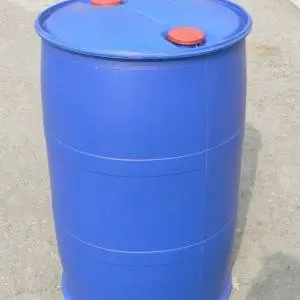
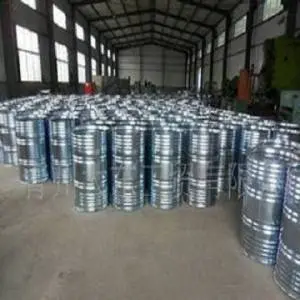
Of course, like any chemical, handling requires care—humidity and temperature variations can affect shelf life, and incorrect disposal harms aquatic life. But many firms now invest in specialized packaging and strict training protocols to mitigate this.
Plus, collaborative initiatives with vendors ensure quality consistency, reducing batch-to-batch variability that can stall production.
| Vendor | Purity | Price Range (USD/kg) | Eco-Certifications | Key Markets |
|---|---|---|---|---|
| Sincere Chemicals | ≥ 99% | 8.50 - 9.10 | ISO 14001, REACH | Global |
| Envirochem Corp | 98% | 7.90 - 8.50 | None | North America, Europe |
| GreenSynth Materials | ≥ 98.5% | 9.00 - 9.50 | ISO 14001, EcoLabel | Europe, Asia |
FAQ: Your Top Questions About 4 Methylmorpholine N Oxide Monohydrate
- What is the main advantage of 4 methylmorpholine n oxide monohydrate over other oxidizing agents?
- Its combination of stability, low toxicity, and effective solvency for cellulose makes it superior for applications like textile fiber regeneration, leading to cleaner, safer, and more efficient processes.
- Can this compound be used in eco-friendly detergents?
- Absolutely. Because it’s water-soluble and biodegradable, it’s often incorporated into detergent formulations focused on reducing environmental impact while maintaining cleaning power.
- How should 4 methylmorpholine n oxide monohydrate be stored?
- Store in a cool, dry place inside sealed containers to prevent moisture ingress and degradation; avoid exposure to extreme temperatures for optimal shelf life.
- Are there international suppliers for this chemical?
- Yes, there are reputable global suppliers such as 4 methylmorpholine n oxide monohydrate vendors offering industry-standard quality and eco-certifications to ensure safe import and use.
- Is it expensive compared to traditional solvents?
- While slightly pricier upfront, the longer-term savings on waste treatment, worker safety, and regulatory compliance often balance out the initial cost difference.
Wrapping Up: Why 4 Methylmorpholine N Oxide Monohydrate Deserves Your Attention
In a world where industries must juggle performance with sustainability, 4 methylmorpholine n oxide monohydrate stands out as a thoughtful, practical solution. Its unique chemistry supports manufacturing processes that are cleaner and safer while helping companies meet tough regulations and consumer demand for eco-friendly products.
If you’re involved in textiles, pharmaceuticals, or any chemical manufacturing seeking innovation with responsibility, it’s worth exploring how this compound can integrate into your workflows. For detailed product info and purchasing options from trusted global suppliers, don’t hesitate to visit our website—the future of sustainable chemistry awaits.
References:
Post time: Nov . 27, 2025 12:40