tmeda reagent, or Tetramethylethylenediamine, is a versatile chemical compound with widespread applications in organic synthesis, coordination chemistry, and analytical chemistry. Its unique ability to act as a strong Lewis base and a stabilizing ligand makes it invaluable in various research and industrial processes. Understanding its properties and uses is crucial for chemists, researchers, and professionals in related fields, contributing to advancements in drug discovery, materials science, and environmental monitoring.
The global demand for tmeda reagent is directly linked to the growth of pharmaceutical, polymer, and specialty chemical industries. According to recent market analyses, the global chemical intermediates market, which includes compounds like tmeda reagent, is projected to reach \$350 billion by 2028, growing at a CAGR of 6.5% (source: Grand View Research). This growth is fueled by increasing R&D investments in new materials and pharmaceuticals. However, ensuring consistent quality, safe handling, and sustainable sourcing of tmeda reagent remains a significant challenge.
Therefore, a comprehensive understanding of tmeda reagent – its characteristics, applications, and safety protocols – is vital. This knowledge empowers professionals to utilize its potential effectively while minimizing risks, contributing to innovation and sustainable practices. tmeda reagent sourced from reputable suppliers like Sincere Chemicals ensures quality and reliability for demanding applications.
Defining tmeda reagent and Its Importance
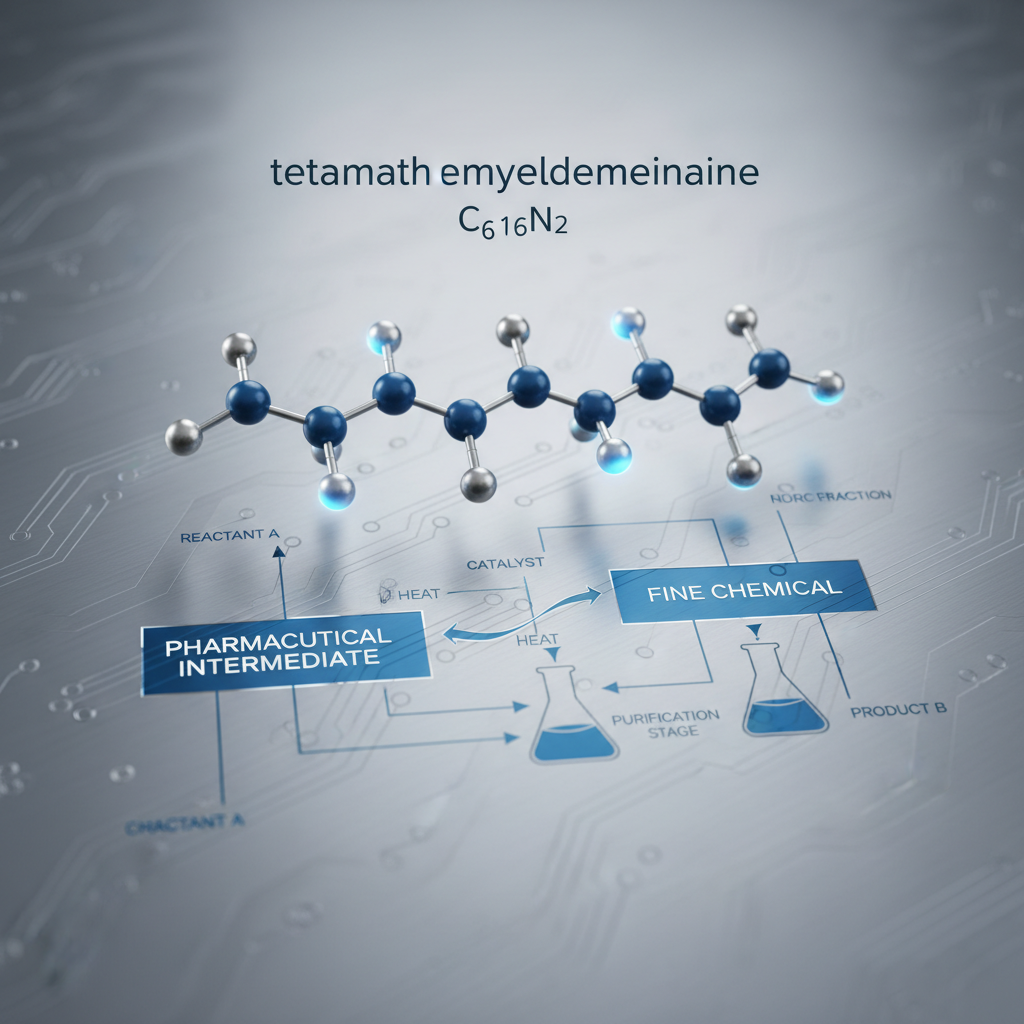
tmeda reagent (N,N,N',N'-Tetramethylethylenediamine) is a tertiary amine widely used as a ligand and catalyst. It’s a colorless liquid with a pungent odor, miscible with water and most organic solvents. Its crucial role stems from its strong coordinating ability, allowing it to stabilize metal cations and enhance reaction rates. The compound facilitates reactions that would otherwise be slow or impossible.
Its significance extends to numerous areas, including organometallic chemistry where it’s vital for preparing and stabilizing organolithium reagents. These reagents are fundamental building blocks for synthesizing complex molecules in pharmaceuticals, agrochemicals, and materials science. Understanding the behavior of tmeda reagent is essential for optimizing these processes and achieving desired product yields.
The Chemical Properties of tmeda reagent
tmeda reagent exhibits strong basicity due to the electron-donating effect of the four methyl groups attached to the nitrogen atoms. This makes it an excellent proton acceptor and a potent ligand for coordinating with metal ions. Its lone pair of electrons readily forms dative bonds with metals, stabilizing them in various oxidation states.
The steric bulk around the nitrogen atoms also influences its reactivity, preventing unwanted side reactions and promoting selectivity. This characteristic is particularly valuable in organometallic chemistry, where precise control over reaction pathways is critical. The solubility of tmeda reagent in both polar and non-polar solvents adds to its versatility in different reaction systems.
Furthermore, its relatively low molecular weight and volatility allow for easy removal after the reaction, simplifying purification procedures. Understanding these properties is key to maximizing its efficiency and minimizing waste in chemical processes.
Key Applications of tmeda reagent in Organic Chemistry
One of the most prominent applications of tmeda reagent is in the preparation and stabilization of organolithium reagents. These reagents, like butyllithium, are crucial for carbon-carbon bond formation, a fundamental step in organic synthesis. tmeda reagent coordinates with the lithium cation, breaking up aggregates and increasing the reactivity of the organolithium species.
It’s also extensively used as a catalyst in various coupling reactions, such as the Negishi and Stille couplings, facilitating the formation of complex organic molecules. Beyond these, tmeda reagent plays a role in deprotonation reactions, acting as a base to remove protons from acidic substrates, enabling further functionalization. This wide array of applications underscores its importance in modern synthetic chemistry.
Furthermore, tmeda reagent has found uses in polymer chemistry, acting as a ligand to control the polymerization process and influence the properties of the resulting polymer. This allows for the creation of materials with tailored characteristics for specific applications. The availability of high-purity tmeda reagent is vital for achieving reproducible and reliable results in these demanding applications.
Stability and Reactivity of tmeda reagent
While generally stable under normal conditions, tmeda reagent is sensitive to air and moisture, slowly degrading upon prolonged exposure. It is recommended to store it under an inert atmosphere (e.g., nitrogen or argon) in a tightly sealed container to prevent oxidation and hydrolysis. The presence of even trace amounts of water can lead to the formation of unwanted byproducts.
The reactivity of tmeda reagent is strongly influenced by the reaction environment. In the presence of strong acids, it readily forms salts. When used with highly reactive metals, careful control of stoichiometry and temperature is necessary to avoid uncontrolled reactions. A thorough understanding of these factors is essential for safe and effective handling.
Reaction Rate Enhancement with tmeda reagent
Global Usage Patterns of tmeda reagent
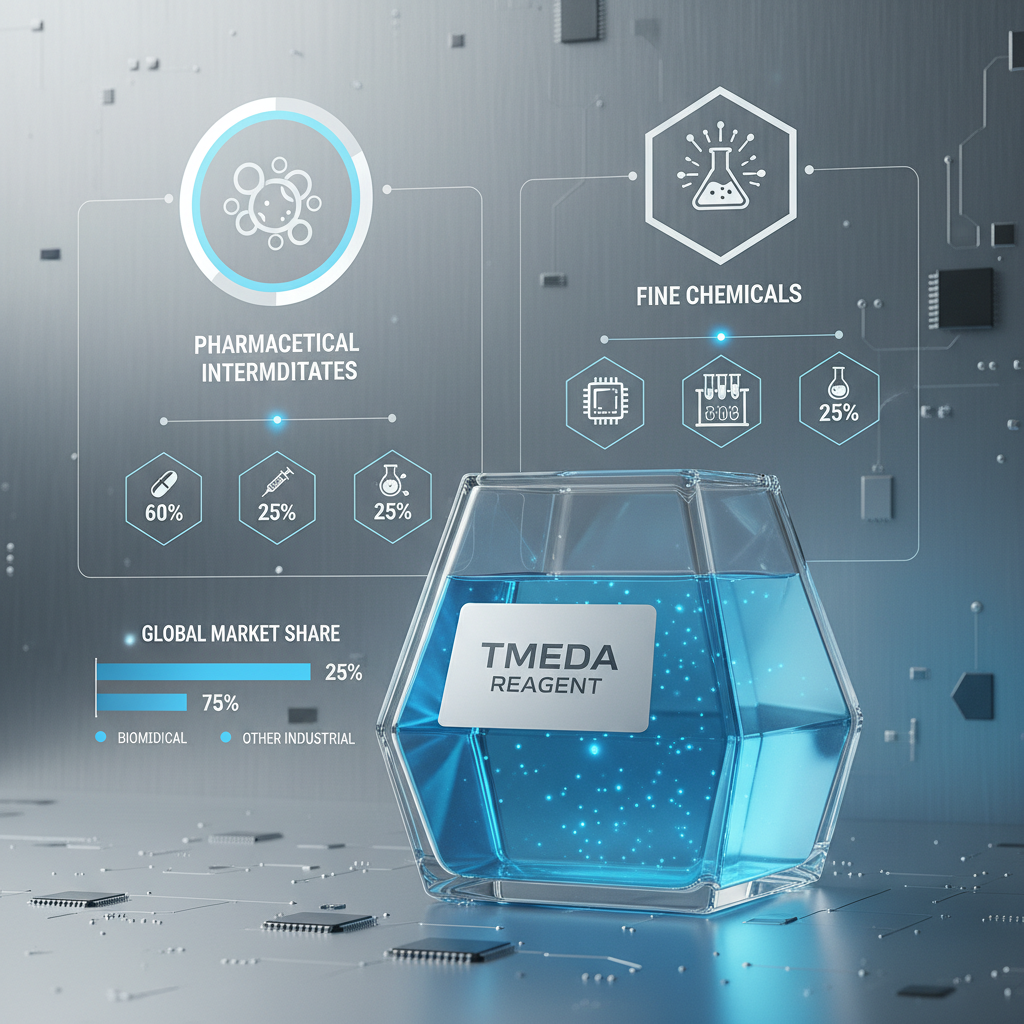
The majority of tmeda reagent consumption occurs in North America and Europe, driven by the presence of large pharmaceutical and chemical industries. Asia-Pacific is a rapidly growing market, fueled by increasing investment in R&D and manufacturing capabilities, particularly in China and India.
Demand also comes from specialized applications in academic research institutions worldwide. The pharmaceutical sector remains the largest consumer, using tmeda reagent in the synthesis of APIs (Active Pharmaceutical Ingredients) and complex intermediates. The demand for high-purity tmeda reagent is particularly strong in this sector, ensuring compliance with stringent regulatory requirements.
Advantages and Limitations of Using tmeda reagent
The primary advantage of tmeda reagent is its ability to enhance reaction rates and improve selectivity in a wide range of chemical transformations. Its coordinating ability stabilizes reactive intermediates, preventing unwanted side reactions. Furthermore, it’s relatively inexpensive and readily available from multiple suppliers.
However, tmeda reagent has limitations. It’s air and moisture sensitive, requiring careful handling and storage. It can also be corrosive and irritating, requiring appropriate safety precautions. The formation of unwanted complexes with metal ions can sometimes complicate purification procedures. Careful consideration of these factors is crucial when designing reaction protocols.
Future Trends and Safety Considerations for tmeda reagent
Future trends in tmeda reagent usage will likely focus on developing more sustainable and efficient synthetic routes, minimizing waste generation, and exploring alternative ligands with similar coordinating abilities but improved environmental profiles. Green chemistry principles are driving the search for more eco-friendly alternatives.
Safety remains paramount. Proper ventilation, personal protective equipment (PPE), and adherence to strict handling protocols are essential. Researchers and industrial professionals should consult safety data sheets (SDS) and follow established guidelines for handling hazardous chemicals.
Furthermore, advancements in analytical techniques will facilitate more accurate quality control and impurity profiling of tmeda reagent, ensuring consistent performance and reliability.
Summary of Safety and Handling Protocols for tmeda reagent
| Storage Conditions |
Personal Protective Equipment |
Emergency Procedures |
Waste Disposal |
| Inert atmosphere (Nitrogen/Argon), tightly sealed container, cool and dry place. |
Gloves, safety glasses, lab coat, fume hood. |
Flush with water for 15 minutes, seek medical attention. Spills require absorbent material and proper disposal. |
Dispose of according to local regulations for hazardous waste. |
| Avoid exposure to air and moisture. |
Avoid skin contact and inhalation. |
Immediate evacuation and ventilation in case of large spills. |
Do not pour down the drain. |
| Long-term storage may require refrigeration. |
Respiratory protection may be needed for large volumes. |
Have SDS readily available. |
Consult with a hazardous waste disposal service. |
| Check for peroxide formation before use. |
Ensure adequate ventilation. |
Monitor air quality in case of leaks. |
Label waste containers properly. |
| Avoid direct sunlight. |
Use appropriate gloves resistant to amines. |
Know the location of emergency eyewash stations. |
Document all waste disposal procedures. |
| Maintain a log of storage conditions. |
Train personnel on proper handling procedures. |
Report any incidents immediately. |
Follow all local, state, and federal regulations. |
FAQS
tmeda reagent's primary role in organolithium chemistry is to chelate and separate the lithium cation, enhancing the reactivity of the organolithium reagent. Organolithium compounds tend to form aggregates, which reduces their reactivity. tmeda disrupts these aggregates, creating more reactive monomeric species. This leads to faster reaction rates and improved yields in carbon-carbon bond forming reactions. Proper handling of both tmeda reagent and organolithium reagents is crucial for safety and success.
To maintain the purity of tmeda reagent, it should be stored under an inert atmosphere (nitrogen or argon) in a tightly sealed container. Exposure to air and moisture can cause degradation and the formation of impurities. A cool, dry place away from direct sunlight is also recommended. Regular checking for peroxide formation is advisable, especially with older bottles. Using a reliable supplier like tmeda reagent ensures initial high purity.
tmeda reagent is corrosive and can cause skin and eye irritation. Always wear appropriate personal protective equipment (PPE), including gloves, safety glasses, and a lab coat. Work in a well-ventilated area, preferably a fume hood, to avoid inhalation of vapors. Refer to the Safety Data Sheet (SDS) for detailed safety information and emergency procedures. In case of contact, flush the affected area with plenty of water and seek medical attention.
While tmeda reagent can sometimes be used as a substitute for other amine bases, it’s not a direct replacement in all cases. Its steric bulk and coordinating ability give it unique properties. It is particularly effective in reactions where complexation with metal ions is beneficial. The suitability of tmeda reagent depends on the specific reaction conditions and the desired outcome. Careful consideration of these factors is essential.
The purity of tmeda reagent significantly impacts reaction outcomes. Impurities can interfere with the reaction, leading to lower yields, unwanted side products, and difficulty in purification. Using high-purity tmeda reagent from a reputable supplier is crucial for ensuring reproducible and reliable results, particularly in sensitive applications like pharmaceutical synthesis.
tmeda reagent must be disposed of as hazardous waste according to local, state, and federal regulations. Do not pour it down the drain. It should be collected in a properly labeled waste container and handled by a licensed hazardous waste disposal service. Ensure accurate documentation of the disposal process, including the type and quantity of waste.
Conclusion
In summary, tmeda reagent is a vital chemical compound with widespread applications in organic synthesis, organometallic chemistry, and catalysis. Its unique coordinating ability and influence on reaction rates make it indispensable in numerous research and industrial processes. Understanding its properties, handling requirements, and potential limitations is crucial for maximizing its benefits and ensuring safe and sustainable usage.
Looking ahead, continued research into greener synthetic routes, enhanced purification methods, and improved safety protocols will further optimize the use of tmeda reagent. By embracing these advancements and prioritizing responsible chemical practices, we can unlock its full potential and contribute to innovation in diverse scientific fields. Visit our website at www.sincerechemicals.com to learn more about our high-quality tmeda reagent and other chemical products.