

Discover n Methylmorpholine N Oxide (NMMO): Sustainable Solvent for Modern Industry
Understanding n Methylmorpholine N Oxide (NMMO): Why It Matters Globally
In the sprawling landscape of industrial chemistry, few compounds have quietly transformed manufacturing and sustainable materials quite like n methylmorpholine n oxide nmmo. While the name sounds like a mouthful, its impact touches everything from textiles to bioplastics and sustainable manufacturing solutions worldwide. Understanding NMMO isn’t just about chemical formulas — it’s about grasping a technology cornerstone that addresses environmental challenges, drives innovation, and optimizes industrial processes from Asia to Europe and beyond.
Put plainly, NMMO’s relevance comes down to its unique dissolving properties and green chemistry credentials. As companies, governments, and consumers grow more anxious about pollution and resource depletion, NMMO offers a cleaner, scalable alternative for producing fibers like lyocell, which are biodegradable and less water-intensive. So, when you read about sustainable fabrics or new biocomposites, chances are NMMO is playing a central role behind the scenes.
What Is n Methylmorpholine N Oxide (NMMO)? A Quick Definition
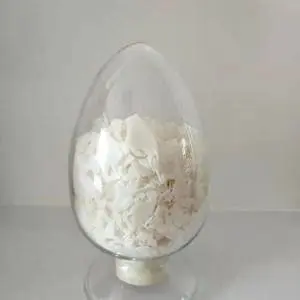
NMMO is an organic compound, a derivative of morpholine, and fundamentally an amine oxide. What does that mean? In practical terms, it’s a water-soluble solvent known for its strong ability to dissolve cellulose, the main structural component of plants. This property is what makes it invaluable in manufacturing fibers like lyocell — a soft, breathable, and sustainable textile alternative.
Its production involves oxidizing n-methylmorpholine, resulting in a compound that's not only effective but biodegradable and relatively non-toxic compared to traditional solvents. This ties in with a growing global need for greener industrial processes, especially in textiles — one of the world’s more water- and chemical-intensive sectors.
Organizations like the ISO and UN environmental programs increasingly endorse materials and solvents like NMMO for their lower environmental footprint.
The Core Components and Properties Driving NMMO's Success
1. Cellulose Solvency
At its heart, NMMO excels in breaking down cellulose, allowing manufacturers to produce regenerated fibers such as lyocell and modal with high purity and strength. This solvency is pivotal because cellulose is notoriously tough to dissolve without harsh chemicals.
2. Biodegradability
One of the big draws is NMMO’s biodegradability. After processing, waste solutions can be treated more easily than those from other solvents, aligning with stringent regulations for waste management in Europe and North America.
3. Low Toxicity Profile
NMMO is less volatile and less toxic than alternatives like carbon disulfide (used in viscose production), making it safer for factory workers and reducing harmful emissions.
4. Thermal Stability
While not immune to degradation at high temperatures, NMMO maintains a good level of thermal stability during fiber production, which ensures consistent quality.
5. Recycling Capability
NMMO-based processes allow regenerating and reusing solvent multiple times, significantly reducing raw material waste and operational costs.
Global Applications: Where and How NMMO Works Best
It’s fascinating to see how NMMO finds itself at the crossroads of different industries:
- Textile Industry: Lyocell fibers produced using NMMO solvent dominate niches requiring comfort, durability, and sustainability—from luxury apparel brands in Europe to large-scale fabric producers in Asia.
- Bioplastics & Films: Some manufacturers integrate NMMO to produce cellulose films used in packaging, which are compostable alternatives to plastics.
- Pharmaceutical & Medical: NMMO's pure process niche helps create non-woven fabric materials used in wound care and hygiene products.
- Research Labs: Universities and biotech companies study NMMO’s role in bio-refining and sustainable polymer development.
Many manufacturers in countries like Germany, Japan, and China have ramped up NMMO-based technologies as part of their green initiatives. Oddly enough, even some NGOs see potential in using NMMO-derived materials in field hospitals or disaster zones for sustainable, disposable fabric solutions.
Product Specifications of a Typical NMMO Grade for Fiber Production
| Specification | Typical Value | Unit |
|---|---|---|
| Purity | ≥ 99.0 | % |
| Water Content | 3.5 - 6.0 | % |
| Melting Point | 120 - 130 | °C |
| Viscosity (at 25°C) | 50 - 70 | cP |
| pH (2% solution) | 6.0 - 8.0 | - |
Vendor Comparison: Leading NMMO Suppliers
| Supplier | Purity (%) | Bulk Packaging | Custom Blends | Eco Certifications | Lead Time (weeks) |
|---|---|---|---|---|---|
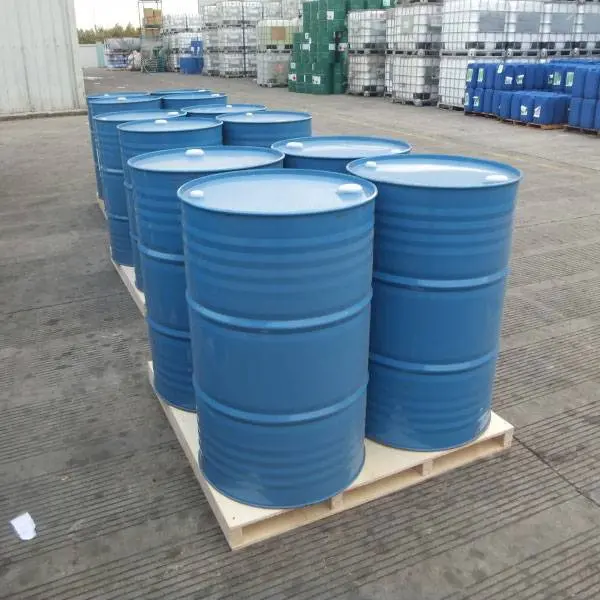
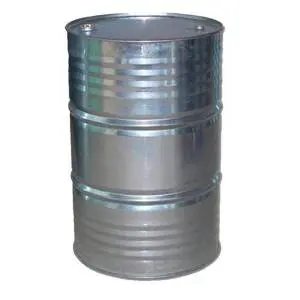
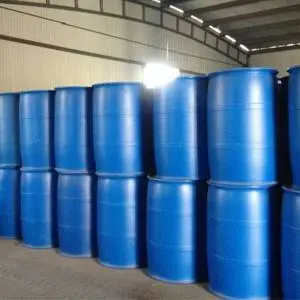
| Sincere Chemicals | ≥99.0 | Drums, ISO Tank | Available on request | ISO 14001 | 3-4 |
| GreenSolv Ltd. | 98.7 | Drums only | Limited blends | EcoLabel Certified | 4-5 |
| NMMO Corp. | 99.2 | Drums, Bulk Bags | Standard blends | None | 2-3 |
Advantages and Long-Term Value of NMMO
The long game here is pretty impressive. NMMO isn’t just about manufacturing technically superior fibers — it embodies a greener future. The solvent’s recyclability and reduced harmful emissions mean operational costs drop over time. Meanwhile, brands and manufacturers gain credibility by meeting rising consumer demands for sustainability and ethical production. There’s an emotional component, too: workers handling NMMO face fewer health risks, and end-users get eco-conscious fabric alternatives that still feel luxurious.
And frankly, in a world trying to pivot from fossil-fuel derivatives, NMMO-based processes feel like a breath of fresh air — or at least a mist of it.
Looking Ahead: Innovations and Trends Shaping NMMO Use
With climate goals tightening globally and digital transformation accelerating, the NMMO landscape is set for exciting changes. Researchers explore hybrid solvents that combine NMMO with ionic liquids, increasing fiber yield and improving environmental impact. Automation in fiber production is reducing solvent losses, and green energy sources power more facilities all the time.
Policies encouraging circular economies also boost investment in regenerable solvents like NMMO. Plus, improvements in quality control, enabled by AI-driven analytics, keep fibers consistent and defect-free — which was always a challenge with older solvent systems.
Challenges and Practical Solutions
No chemical process is perfect. Some issues linger around NMMO’s sensitivity to impurities and thermal degradation risks if not carefully managed. Supply chain fluctuations can affect consistency. Moreover, initial setup costs for NMMO-based fiber plants are still higher than traditional viscose lost in the 20th century.
But advances in purification techniques and solvent recycling methods steadily chip away at these problems. Industry experts recommend rigorous quality control and sourcing from trusted suppliers like n methylmorpholine n oxide nmmo vendors who offer reliable certification and customer support.
FAQ: Frequently Asked Questions About n Methylmorpholine N Oxide (NMMO)
- Q: What makes NMMO safer than traditional cellulose solvents?
A: Unlike carbon disulfide used in viscose processing, NMMO is less toxic and has lower volatility, reducing health risks and environmental emissions during production. - Q: How efficient is NMMO recycling in industrial settings?
A: NMMO can be recycled up to 98% in some processes, significantly cutting down solvent loss and minimizing waste generation. - Q: Can NMMO-based fibers be blended with other textiles?
A: Yes, lyocell and modal fibers made using NMMO are commonly blended with cotton, polyester, or wool to improve fabric performance and comfort. - Q: How do manufacturers source high-quality NMMO?
A: Trusted suppliers like n methylmorpholine n oxide nmmo vendors provide certified products with consistent purity and support, ensuring supply chain reliability.
Wrapping It Up: Why NMMO Is Worth Watching
To sum it all up—n methylmorpholine n oxide nmmo feels like one of those unsung heroes quietly shaping the future of sustainable industrial production. It’s effective, greener, and a touch innovative in an often slow-to-change sector. For manufacturers, brands, and engineers focused on tomorrow’s challenges, embracing NMMO isn’t just smart — it’s practically necessary.
If you want to learn more or source high-quality NMMO for your projects, do visit our website. The future is green, after all.
References
Post time: Nov . 27, 2025 15:45