

Morpholine N Oxide: Industrial Uses, Advantages & Future Trends
Understanding Morpholine N Oxide: Why It Matters Today
If you're new to the world of chemical compounds, morpholine N oxide might sound like a mouthful — and you'll often find it tucked away in technical specs or industry literature. But trust me, this compound quietly underpins a bunch of essential industrial and environmental applications worldwide. From enhancing chemical reactions to boosting safety profiles in manufacturing, morpholine N oxide serves as a subtle yet powerful agent. Grasping its role isn’t just academic; it’s about appreciating a tool that supports cleaner processes, better product longevity, and, oddly enough, humanitarian endeavors in sometimes unexpected ways.
Consider this: the chemical industry is a massive player globally, with an expected market size hitting trillions of dollars by 2030 (source: UNIDO data). Chemicals like morpholine N oxide make up the backbone of innovations reaching from specialty surfactants to corrosion inhibitors. So, understanding this compound could literally translate into smarter production choices and a greener footprint for many industries.
The Global Context: Morpholine N Oxide's Industry Footprint
Globally, morpholine N oxide is gaining traction as environmental regulations tighten and industries lean towards sustainable chemistries. You’ll find it used extensively in sectors ranging from pharmaceuticals and agrochemicals to leather treatment and water conditioning. The UN’s push for sustainable industrial development echoes loudly here: we need materials that do more with less environmental harm.
One challenge industries face is balancing efficiency with environmental care—how do you ensure products perform under tough conditions while minimizing toxic byproducts? Morpholine N oxide offers a partial answer. For instance, when used as a corrosion inhibitor or a stabilizer, it helps reduce the frequency of equipment failure, avoiding costly downtime and waste.
In real terms, thanks to morpholine N oxide, manufacturers can streamline processes — fewer chemicals, less energy, and a drop in hazardous waste. That’s not just good for business: it's good for the planet.
Defining Morpholine N Oxide: What Is It Exactly?
Simply put, morpholine N oxide is an organic compound derived from morpholine, where the nitrogen atom is oxidized — making the molecule more reactive and versatile. Picture a molecule that brings the best of morpholine’s properties but with enhanced stability and fewer harmful effects — that’s morpholine N oxide.
This compound is odorless, colorless, and often used as an intermediate or additive in various chemical reactions. It’s prized for being water-soluble and less toxic compared to related amine oxides. Because of these traits, it fits nicely into modern manufacturing processes that emphasize safety and sustainability.
morpholine n oxide often acts as a surfactant or mild oxidizer, aiding in cleaning or stabilizing products, which hints at its wide-ranging industrial charm.
Key Characteristics Of Morpholine N Oxide That Matter
1. Reactivity and Stability
What’s intriguing is how morpholine N oxide strikes a balance — it’s reactive enough to participate in useful chemical processes, yet stable enough to store and transport with fewer risks. Many engineers appreciate this sweet spot because it simplifies logistics and reduces unexpected chemical byproducts.
2. Water Solubility
This feature enables its easy incorporation into aqueous formulations, which means industries can phase out some more harmful solvents. Cleaner chemistry, literally.
3. Low Toxicity Profile
Given the rising scrutiny over chemical safety, morpholine N oxide’s relative benignity is a big selling point. It supports safer working environments without compromising the effectiveness of the end product.
4. Versatility
From leather tanning to corrosion inhibition, morpholine N oxide morphs (no pun intended) into the ideal helper — a silent partner in enhancing product traits.
Mini Takeaway:
In a nutshell, morpholine N oxide makes industry’s life easier by being practical, safe, and adaptable — sort of like the unsung hero behind better products and cleaner processes.
Global Applications: Where Does Morpholine N Oxide Make a Difference?
Its uses span a number of vital sectors:
- Pharmaceuticals: As a mild surfactant or stabilizer in drug formulations.
- Leather Industry: Employed in tanning and finishing to improve durability and feel.
- Water Treatment: Acts as an effective corrosion inhibitor in pipelines and boilers.
- Surface Coatings: Enhances adhesion and stability of paints and varnishes.
In regions like Eastern Europe and parts of Asia, where traditional leather production dominates, it helps reduce chemical waste that otherwise seeps into local water sources. Meanwhile, chemical companies in North America increasingly adopt morpholine N oxide for greener processes aligned with ISO 14001 environmental standards.
In post-disaster relief operations, the compound’s role in water treatment means communities get safer water more quickly — a subtle but meaningful impact.
Advantages & Long-Term Value of Using Morpholine N Oxide
- Cost-Effective: Enhances process efficiency, lowering material waste and operational downtime.
- Eco-Friendly: Supports reduced volatile organic compounds (VOCs) and lowers toxic emissions.
- Reliable: Stabilizes products, improving shelf life and user safety.
- Social Impact: Safer chemicals promote better labor conditions, especially in developing countries.
It feels like embracing morpholine N oxide is part common sense, part ethical choice — businesses want to innovate but also respond to growing consumer awareness and legal pressure.
Looking Ahead: Future Trends Around Morpholine N Oxide
The chemical industry’s fast pace means morpholine N oxide will likely evolve with sustainability as a driver. Innovations such as bio-based synthesis routes are already underway to reduce fossil fuel reliance in chemical raw materials.
Also, with digital transformation, manufacturers are experimenting with smart formulations that adjust properties in real-time — morpholine N oxide might be a key component thanks to its adaptable chemistry.
Automation in quality control could lead to even safer, more consistent production batches, benefiting end-users and the environment alike.
Common Challenges and How To Address Them
Despite its promise, morpholine N oxide isn’t a silver bullet. Some hurdles include:
- Cost Fluctuations: Market prices can be volatile, affecting large-scale adoption.
- Limited Awareness: Smaller companies may lack information or access to high-quality suppliers.
- Regulatory Barriers: Variations across countries complicate international trade.
Solutions? Partnering with trusted vendors who understand compliance requirements, and industry collaboration to pool resources for better education, can mitigate these challenges effectively.
Product Specifications of Morpholine N Oxide
| Property | Specification |
|---|---|
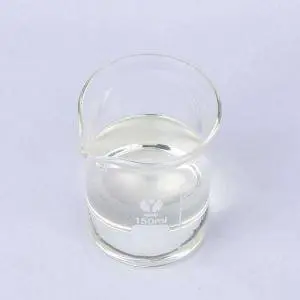
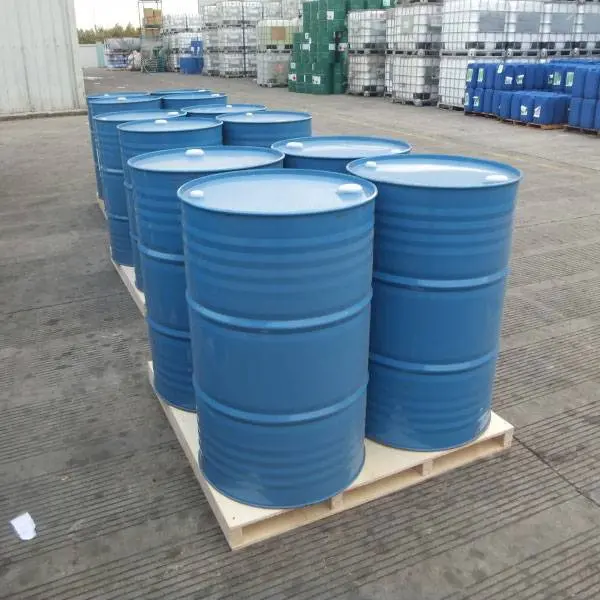
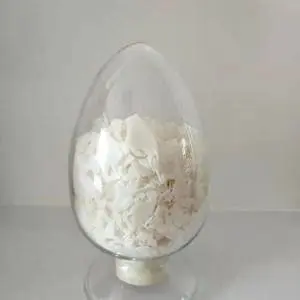
| Appearance | Colorless to pale yellow liquid |
| Purity | ≥ 99% |
| pH (5% solution) | 6.5 – 7.5 |
| Solubility | Fully miscible with water |
| Boiling Point | >100°C (at atmospheric pressure) |
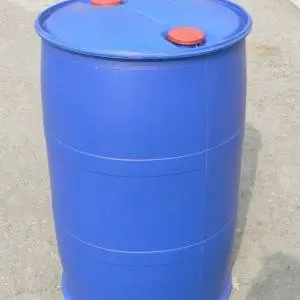
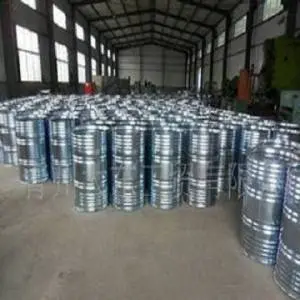
| Storage | Store in a cool, dry place away from direct sunlight |
Vendor Comparison: Leading Morpholine N Oxide Suppliers
| Vendor | Purity (%) | MOQ | Price Range (USD/kg) | Delivery Time | Certifications |
|---|---|---|---|---|---|
| Sincere Chemicals | ≥ 99.5% | 100 kg | 12 - 15 | 1-2 weeks | ISO 9001, REACH |
| Global Chem Supplies | ≥ 99% | 500 kg | 10 - 14 | 3-4 weeks | ISO 9001 |
| EcoChem Solutions | ≥ 98.5% | 50 kg | 13 - 17 | 2 weeks | REACH |
FAQs About Morpholine N Oxide
- Q1: What industries commonly use morpholine N oxide, and why?
- A1: Morpholine N oxide is used widely in pharmaceuticals, leather processing, water treatment, and coatings. Its key appeals are its nontoxicity, stability, and ability to act as a corrosion inhibitor or surfactant, which enhances product safety and longevity.
- Q2: How safe is morpholine N oxide for workers handling it?
- A2: Generally, morpholine N oxide has a low toxicity profile compared to similar amines, making it safer for handling. Still, proper personal protective equipment (PPE) and standard chemical safety protocols should always be followed.
- Q3: Can morpholine N oxide help reduce environmental impact?
- A3: Yes. Its high water solubility and low VOC release mean it reduces harmful emissions and chemical waste in manufacturing, contributing to greener production methods.
- Q4: How do companies typically source high-quality morpholine N oxide?
- A4: Partnering with certified suppliers like Sincere Chemicals ensures product purity, timely delivery, and compliance with industry standards such as ISO or REACH, facilitating smoother operations.
- Q5: Is morpholine N oxide compatible with automation in chemical production?
- A5: Yes. Its stability and predictable reactivity make it a great fit for automated systems optimizing reaction efficiency and reducing human error.
Wrapping It Up: Why Morpholine N Oxide Deserves Your Attention
After walking through its global importance, chemical nature, and uses, it’s clear that morpholine N oxide quietly powers many efficient and safer industrial applications worldwide. It’s reliable, kind to the environment, and poised to grow with emerging trends in green chemistry and automation.
For those in the sourcing, manufacturing, or regulatory sectors, staying informed about compounds like morpholine N oxide isn't just good practice — it’s a competitive edge. Whether you’re upgrading processes or seeking more sustainable inputs, morpholine N oxide offers a compelling option.
Want to explore top-quality options or learn more technical details? Head over to Sincere Chemicals — their expertise and certifications often make all the difference.
References
Post time: Nov . 27, 2025 14:15